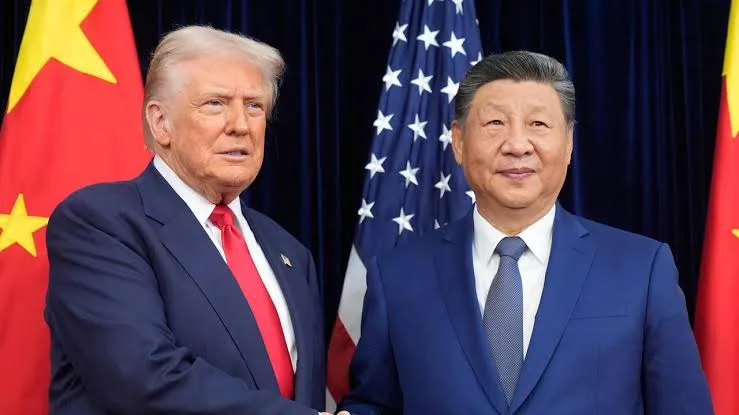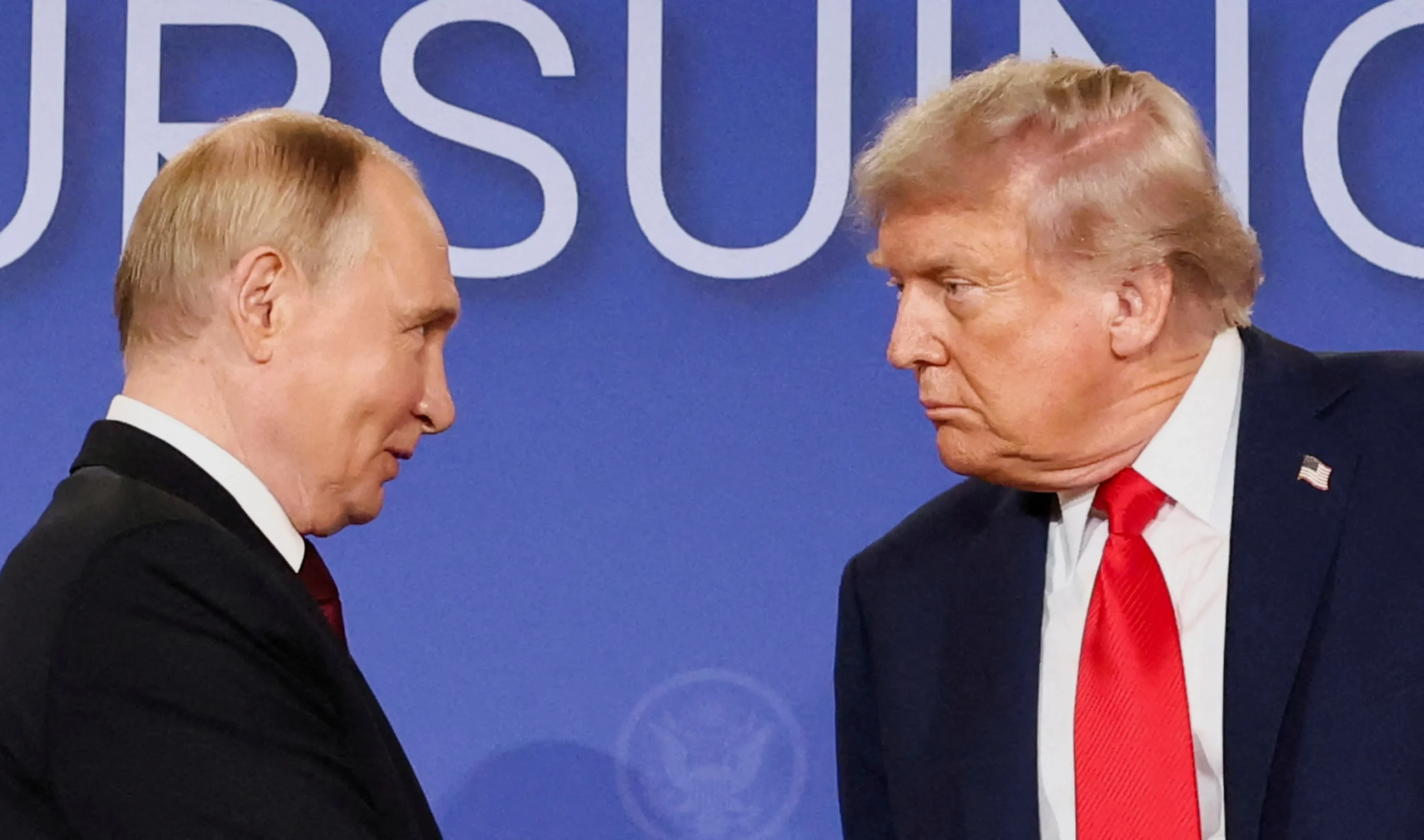
For one of the only times anyone can remember, American and Russian diplomats sat on the same side of the table at the United Nations and pushed in the same direction. The cause wasn’t disarmament or de-escalation. It was the opposite: stripping away the safeguards meant to keep a human being in the loop before an autonomous weapon kills someone.
The episode played out during roughly 15 hours of final-day negotiations in Geneva, inside the UN’s Group of Governmental Experts on lethal autonomous weapons systems, part of the long-running Convention on Certain Conventional Weapons process. By the time the session ended, three provisions that arms control advocates had spent years fighting for were gone from the draft text, deleted with the U.S. and Russia working in tandem to get it done.
What Got Deleted, and Why It Matters
The three provisions weren’t fringe asks. They were closer to the floor than the ceiling of what a meaningful autonomous weapons framework could look like, which is part of why their removal has alarmed people who track this issue closely.
- Human review of targets. The draft would have required a human to review targets selected by an AI system before a lethal strike could proceed. That language is gone.
- Predictability and reliability standards. The text would have required autonomous weapons to demonstrably operate in a predictable, reliable way before deployment. Also gone.
- Ethical considerations clause. A provision requiring militaries to actually weigh ethical considerations when deploying autonomous systems was cut as well.
Strip those three out and what’s left is a document with much less to say about who, or what, is actually making the decision to kill. Human review and predictability requirements are generally treated as baseline asks in this space — not maximalist demands, but the minimum scaffolding most delegations assumed would survive any negotiation. Losing them changes the character of the whole draft.
An Unusual Pairing at the UN
Washington and Moscow do not coordinate publicly at the UN. Not on sanctions, not on Ukraine, not on nuclear posture, and certainly not on weapons policy, where the two countries have spent years on opposite sides of nearly every procedural fight. That’s what makes this negotiation notable beyond the substance of what was cut. Two governments that agree on almost nothing found common cause in weakening the one part of the AI weapons conversation that would have constrained their own future battlefield options.
Russia’s position here isn’t a surprise on its own. Moscow voted against a December 2024 UN General Assembly resolution on lethal autonomous weapons systems, putting it in the company of just two other countries, Belarus and North Korea, while 166 nations voted in favor. That vote made Russia’s skepticism toward binding restrictions clear well before this week’s negotiations. What’s new is watching the United States help carry that position across the finish line in a live drafting session, rather than simply declining to push back on it.
A Gap Nobody Has Closed
Here’s the backdrop that makes all of this more than a procedural footnote: there is currently no binding international law that specifically governs autonomous weapons capable of selecting and engaging targets without a human directly pulling the trigger. None. The CCW process has been the main vehicle trying to close that gap, and it has moved slowly by design, built on consensus among dozens of governments with very different incentives.
Meanwhile the technology isn’t waiting around. AI-enabled targeting systems and drone swarm capabilities are advancing fast, and militaries well beyond the U.S. and Russia are racing to field them. Arms control advocates and a number of allied governments have spent years arguing that binding human-control requirements need to exist before that capability gap closes, not after — because once systems are fielded and doctrine is built around them, retrofitting oversight gets a lot harder. Their fear isn’t abstract: a world where lethal force is initiated by an algorithm, with no clear human decision-maker, is also a world where accountability for a wrongful death becomes genuinely murky. Who answers for a strike nobody explicitly ordered against that specific target?
What Happens Next
The weakened draft doesn’t disappear into a drawer. It moves to the CCW’s Seventh Review Conference, set to convene in Geneva from November 16 to 20, 2026. That conference carries real weight: it will decide whether this years-long effort finally advances toward a formal, legally binding treaty on autonomous weapons, or whether it settles for a softer, non-binding set of guidelines that countries can follow or ignore as they see fit.
With human review, predictability standards, and the ethics clause already stripped out before the text even reaches that room, the conference is starting from a weaker baseline than negotiators originally envisioned. Delegations that wanted binding rules now face a choice: fight to restore language that two of the world’s most powerful militaries have already agreed to jointly reject, or accept a diluted framework as the price of keeping the process alive at all.
What This Means
Strip away the diplomatic language and the story is fairly simple. The two countries with the most to gain from unconstrained autonomous weapons development spent 15 hours making sure the rulebook wouldn’t constrain them, and they did it together. That alone should reframe how people read whatever emerges from Geneva in November. A framework built without human review requirements, without reliability standards, and without a mandate to weigh ethics isn’t really a safeguard against killer robots — it’s a set of guidelines that the most powerful military actors have already signaled they don’t intend to be bound by. The gap between where AI weapons technology is headed and where international law actually sits isn’t closing. If anything, after this week, it just got wider.