The Ukraine-Russia war’s drone front is no longer confined to the battlefield. As Ukraine steps up long-range strikes deep inside Russia, NATO fighter jets from Italy and Turkey were scrambled after a drone violated Latvia’s airspace – a stark reminder that this conflict’s cutting edge now flies dangerously close to the alliance’s borders.
Ukraine’s deep-strike campaign hits Samara and Savasleyka
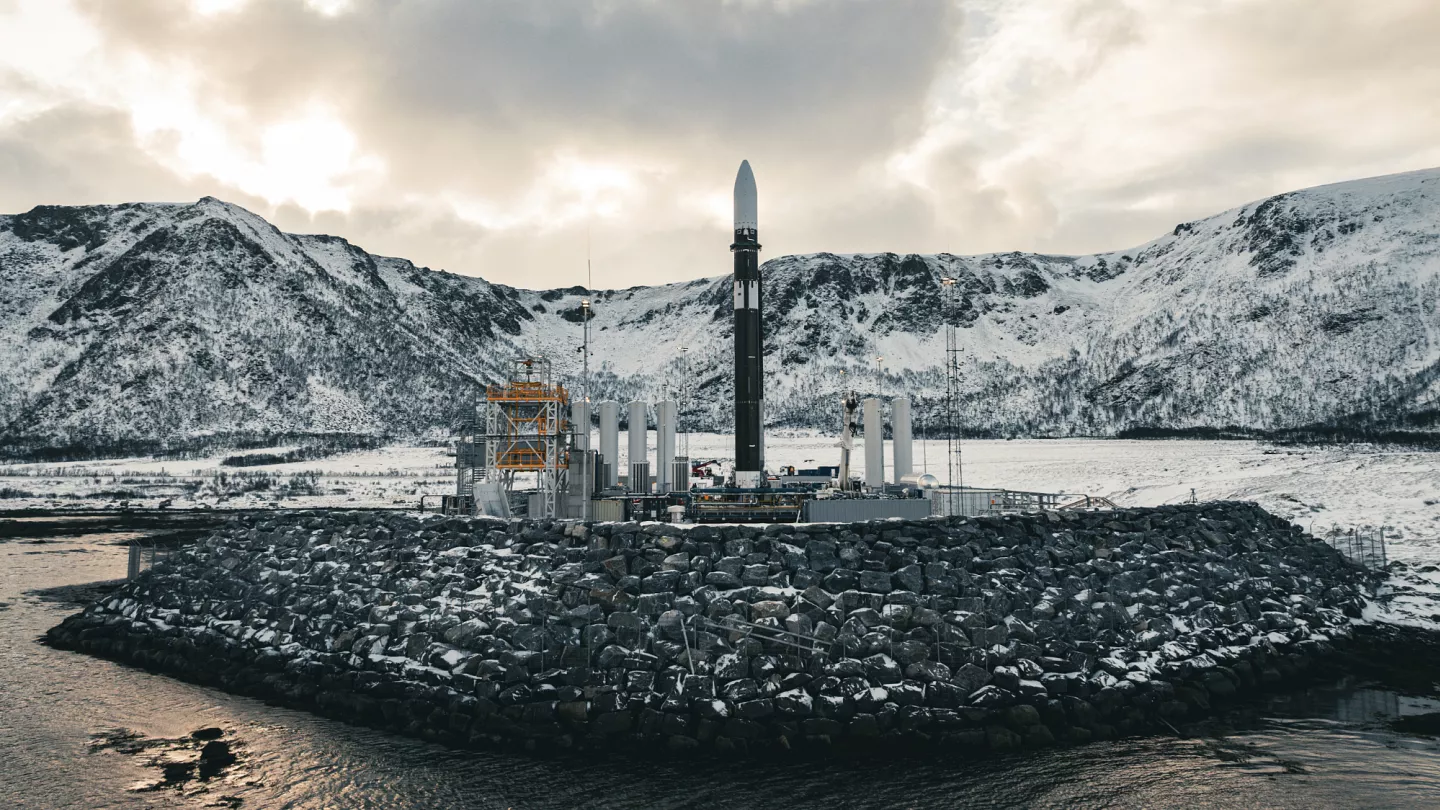
Kyiv’s latest wave of attacks shows how much the war has shifted into a contest of long-range precision and electronic warfare. Ukrainian forces used domestically produced FP-5 Flamingo cruise missiles to hit two high-value targets far inside Russia: the Progress Space Rocket Centre in Samara and the Savasleyka military airfield.
President Volodymyr Zelensky said the strike on Samara’s space and rocket hub landed roughly 900km from Ukraine’s border. The Flamingo missile, capable of carrying about a ton of explosives and reportedly flying up to 3,000km at low altitude, is tailor-made for this kind of deep strike.
Ukrainian officials say the Samara rocket centre helps deploy satellite communication systems for Russian forces and has played a key role in developing Soyuz-type launch vehicles, including the Soyuz-2.1b three-stage carrier rocket. Damaging such infrastructure is about more than symbolism: it’s aimed at cutting into Russia’s ability to coordinate troops, connect drones, and maintain its space-linked command networks.
At Savasleyka airbase, Ukraine says it targeted MiG-31K fighter jets. Those aircraft are used by Moscow to launch ballistic missiles at Ukrainian cities, including Kyiv. Any disruption to that fleet hits at one of Russia’s most feared long-range strike tools.
For Zelensky, the message is straightforward. He framed the operations as part of a broader strategy of “long-range sanctions” against Russia’s war machine – a campaign designed to make the cost of continuing the invasion impossible to ignore by hitting specific military and industrial nodes.
Focus keyword: Ukraine-Russia war latest and the drone factor
The Ukraine-Russia war latest developments underscore how central unmanned systems and precision missiles have become. Ukraine’s deep strikes come amid reports of a shortage of anti-ballistic missile interceptors, pushing Kyiv to hit missile launch platforms and logistics before attacks ever reach its skies.
The Flamingo missile is a key piece of that puzzle. Flying low, with a large warhead and long range, it allows Ukraine to bypass some of Russia’s dense air defenses and strike facilities once thought out of reach. It’s part of a wider toolkit that increasingly includes homegrown drones, Western-supplied systems, and a growing doctrine built around attrition of Russian capabilities rather than just holding the front line.
Kyiv has also been using long-range drones against refineries and other energy infrastructure, reportedly including British-designed systems that have hit sites near Moscow and in cities such as Yaroslavl, Volgograd, and Belgorod. Each successful hit chips away at Russia’s ability to fund and fuel the war.
NATO jets scramble after drone breaches Latvia’s airspace
While Ukraine pushed deeper into Russian territory, the air war briefly crossed into NATO space. During Ukrainian attacks on Russian ports, a drone violated Latvia’s airspace on Friday, triggering a quick response from the alliance’s air policing mission.
Two Italian Eurofighter jets launched from Lithuania, while two Turkish F-16s scrambled from a base in Estonia. NATO said the fighters were dispatched after the incursion was detected, underscoring how tightly monitored the alliance’s eastern flank has become since Russia’s full-scale invasion.
The incident slots into a pattern: Romania has already shot down multiple drones that breached its airspace, most recently with a Spanish F-18 operating under NATO command. In each case, the alliance moved fast to intercept or neutralise the aircraft, sending a clear signal that its borders are hard lines, even as explosive-laden drones crisscross the region just outside them.
The Latvia violation raises uncomfortable questions. The war’s drone traffic is dense, often automated, and sometimes jammed or diverted by electronic warfare. When that mix drifts into NATO skies, it risks miscalculation – even if nobody intended to challenge the alliance directly.
Drones, missiles, and the new geography of risk
This is what modern war at scale looks like: hundreds of drones and cruise missiles in the air, some heading hundreds or even thousands of kilometres from their launch points. Borders begin to look less like hard stops and more like warning lines for radar systems and fighter pilots.
The Ukraine-Russia war latest incidents show three overlapping trends:
- Ukraine is leaning hard into long-range strikes to offset shortages in air defenses.
- Russia is keeping up pressure with missile and drone attacks on Ukrainian cities.
- NATO is increasingly forced into real-time decisions as stray drones clip its airspace.
None of this means NATO is being dragged into direct combat with Russia. So far, each airspace breach has been treated as a security threat, not a casus belli. But the more crowded the skies, the higher the risk of a misread radar return or a drone whose origin is hard to verify in the heat of the moment.

Kyiv under fire as deep strikes ramp up
Even as Ukraine projects power across the border, it remains under constant assault at home. Russian missile and drone attacks on Kyiv set off fires in at least two districts, with debris falling in a northern suburb and injuring at least one person, according to local authorities.
Images from the capital show firefighters wrestling with blazes at a city book market and other non-residential areas, another grim reminder that even “successful” air defense – where most missiles are intercepted – still showers down fragments that can kill and destroy.
In the southeastern town of Marhanets, local officials say a Russian drone strike on an apartment block killed a three-month-old baby and wounded 11 people. Meanwhile, hundreds gathered in Kyiv to mourn three-year-old Dmytro Kucher and his grandparents, killed in an earlier drone attack that destroyed their home northeast of the city.
These civilian losses are the quiet counterpoint to the headlines about flamingo missiles and deep strikes. While Ukraine tries to carve away at Russia’s war potential, ordinary people are still paying the highest price in their own homes and streets.
Russia’s partners are watching – and leaning in
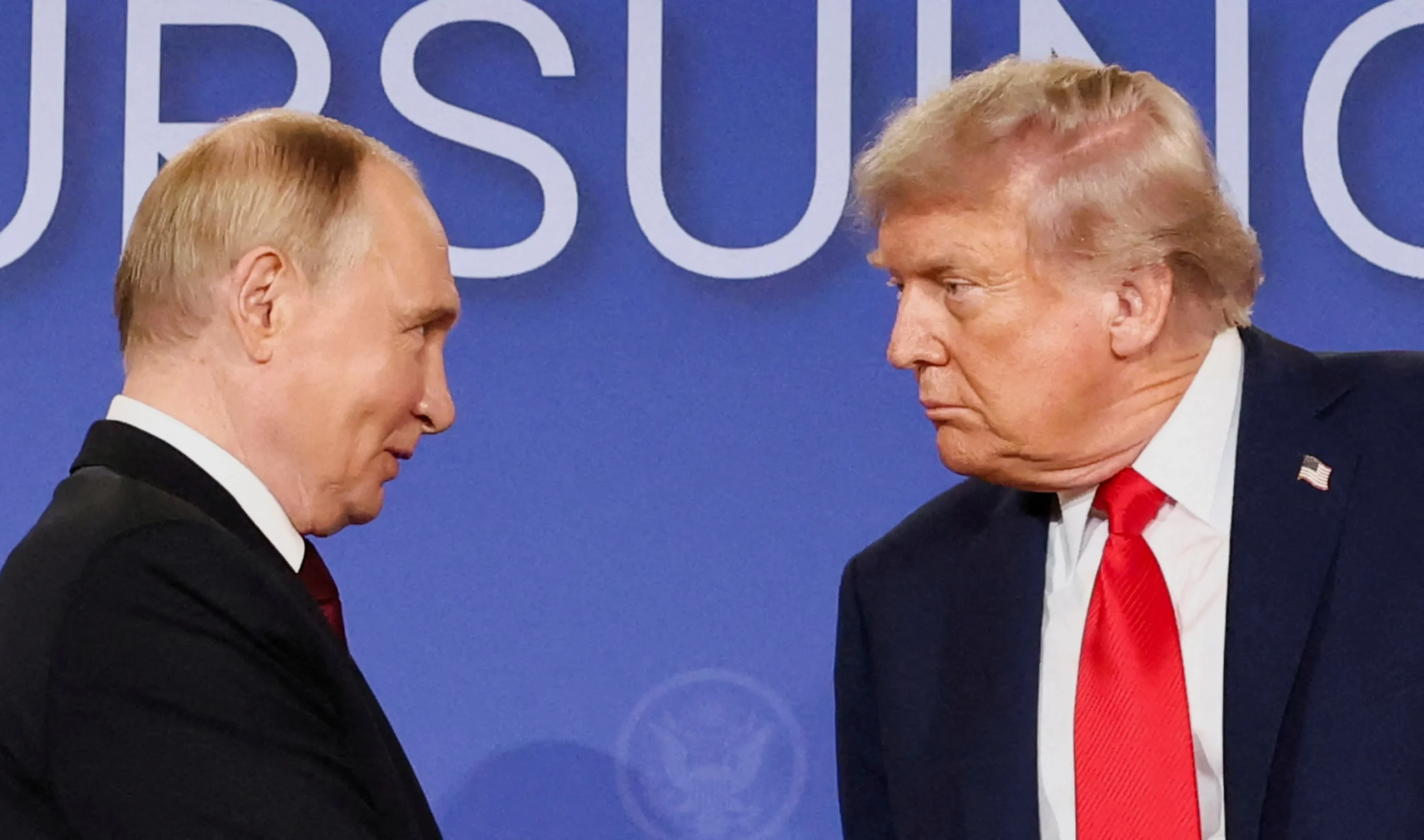
Far from the front line, Moscow is working to lock in support from its few remaining allies. North Korean leader Kim Jong Un marked the anniversary of his country’s liberation from Japanese rule by celebrating closer ties with Vladimir Putin, framing the relationship as a continuation of a shared “struggle for justice”.
Russia has praised the partnership as rooted in wartime solidarity and has signalled that cooperation with Pyongyang will continue “in all sectors.” That language points to an increasingly open axis of support, with North Korea seen as a source of ammunition, weapons, and potentially even personnel as the conflict grinds on.
For Kyiv and its Western backers, that deepening link is one more factor pushing them to hit Russian stockpiles, factories, and logistics before fresh supplies can be turned into missiles or shells aimed at Ukrainian cities.
What This Means
The latest phase of the Ukraine-Russia war is defined less by trenches and more by what flies above and far beyond them. Ukraine’s ability to hit targets like the Samara rocket centre and Savasleyka airbase shows that Russia’s rear is no longer safe. At the same time, the drone breach over Latvia and repeated incursions toward Romania highlight how easily this airborne chess match can spill over NATO’s borders.
For the alliance, the priority now is deterrence without escalation: scramble jets fast, shoot down what crosses the line when necessary, but avoid letting a stray drone or misrouted missile become the spark for something far bigger. For Ukraine, long-range missiles and drones have become a kind of forced innovation – a way to claw back initiative even while its own cities burn.
The core reality hasn’t changed. Every “significant result” against Russian infrastructure is matched by a grim casualty report somewhere in Ukraine. The war’s new geography of risk – stretching from deep inside Russia to the very edge of NATO airspace – only underscores how fragile the current balance is, and how quickly it could tilt if one drone, one missile, or one decision lands in the wrong place.
Photo: lewinb / BY-SA via Openverse