Britain’s wild seahorses are becoming accidental tourist attractions — and conservationists say that sudden surge of attention is putting these fragile animals in real danger. As warmer weather draws more people into the sea, a sharp rise in seahorse disturbance has triggered a fresh legal warning and a push to educate swimmers, divers and holidaymakers about the law.
At the heart of the issue is simple but widely misunderstood rule: finding or photographing seahorses in UK waters isn’t just a fun holiday challenge. It’s an activity that, in many cases, is tightly controlled and may require a wildlife licence.
Seahorses are protected by law — and that matters
Both native seahorse species found in UK waters are legally protected. That legal status doesn’t just stop people from collecting them; it also covers how closely we can interact with them in the wild. Anyone actively going out to locate, dive with or photograph seahorses is expected to hold a licence.
The Marine Management Organisation (MMO), which oversees marine wildlife conservation around England, says it has seen an increase in reported incidents involving seahorses this summer, ranging from chance encounters to people deliberately seeking them out for photos and video.
Some of those incidents are happening when people are crabbing from harbours or piers and accidentally haul up a seahorse in their net. Others involve snorkellers and divers who appear to be entering the water with the specific goal of finding, filming or posting about seahorses — often without realising that kind of targeted activity may be breaking the law.
Where the pressure is highest on seahorses
The current education push is focused on a handful of hotspots along England’s south coast, where some of the country’s most important seahorse populations live:
- Poole Harbour in Dorset
- Studland Bay in Dorset
- Torbay in Devon
These coastal areas hold vital seagrass meadows, the underwater plant beds that seahorses use for shelter, breeding and feeding. The same sheltered waters that seahorses like also happen to be perfect for paddleboarding, snorkelling, casual boating and family crabbing — so human traffic is rising exactly where the animals most need calm and stability.
Studland Bay, for example, has already been designated a no-anchor zone in an attempt to protect its seagrass. Rather than dropping anchors that rip up the sea floor, boat users are encouraged to pay to use eco-moorings designed to hold vessels without chewing through seahorse habitat.
Why even a curious look can be harmful
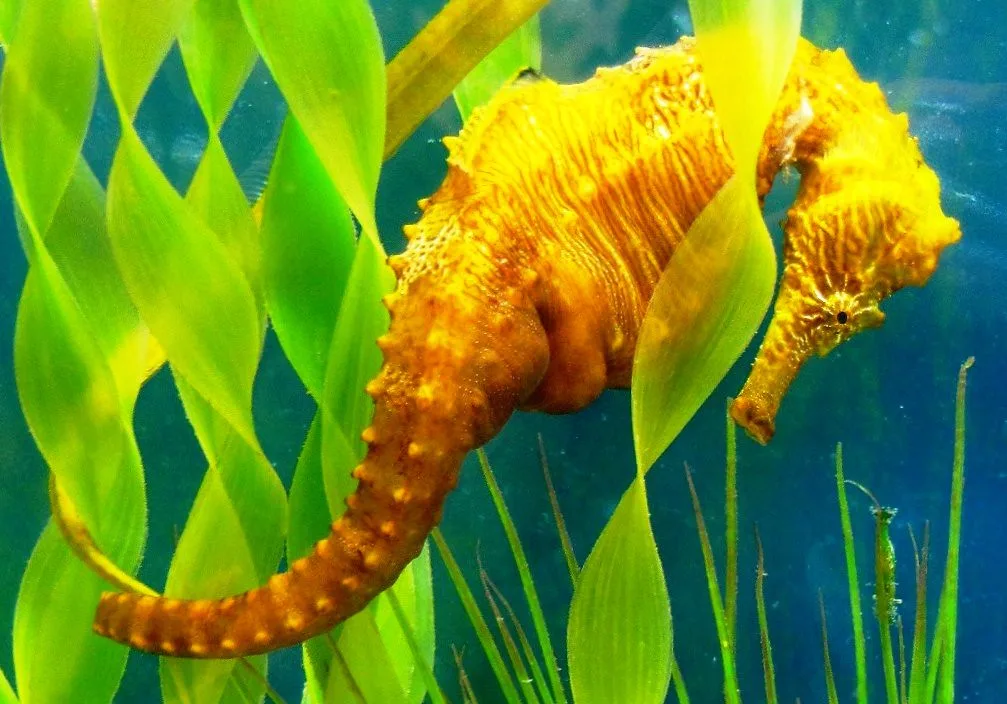
Part of the problem is that seahorses look tough. They have bony plates, a curled tail, a strong grip on the grass. They seem like tiny underwater horses that can handle a closer look. In reality, they’re among the most vulnerable marine animals on the British coast.
MMO’s head of marine wildlife conservation has warned that seahorses are “incredibly vulnerable and fragile” and “easily disturbed by human activities”. That disturbance can take a lot of forms: bright camera flashes, people trying to handle them, repeated dives to the same patch of seagrass, even the stress of being caught and held in a bucket or dry net for too long.
The law reflects that risk. Intentionally disturbing seahorses without a wildlife licence can lead to enforcement action. That’s not limited to professional crews. The rules apply equally to:
- Recreational divers
- Snorkellers
- Casual underwater photographers
- TV and film production teams
In other words, whether you’re chasing social media footage or shooting a nature documentary, the same protections still stand.
Tourist buzz, social media — and unintended consequences
This summer’s unusually bright, settled weather is being blamed for part of the spike in disturbance. Simply put, more people are in the water for longer, in more places seahorses live. Sun, clear seas and school holidays are a powerful combination.
Conservationists also point to the double-edged effect of good news stories. Publicity around eco-moorings and the no-anchor zone at Studland Bay has raised awareness of seahorses and their habitat — but it has also tempted more curious visitors to “go and look” for themselves. The more seahorses are promoted as a local marine icon, the more people want their own encounter and their own close-up shot.
That curiosity isn’t malicious. Most people who get near a seahorse are excited and want to help. The problem is that without clear guidance, helpful intentions can quickly turn into stressful experiences for the animal.
What to do if you actually find a seahorse
One of the biggest concerns this year is the number of seahorses turning up in crab nets. These accidental catches are exactly the kind of situation where fast, calm action can make a difference.
Experts recommend a simple, strict protocol:
- Act quickly and keep the seahorse out of the water for the shortest possible time.
- If you really want a photo, make it brief — one quick picture, no flash.
- Gently return the animal to the water, releasing it away from seagulls and other predators near the surface.
For people who encounter a seahorse while snorkelling or diving, the advice is even simpler: keep your distance. Stay calm, keep your fins and hands well away from the animal and the seagrass, avoid flash photography and do not chase, prod or try to “pose” the seahorse for the camera.
That small change in behaviour can be the difference between a harmless glimpse and a potentially life-threatening disturbance for an already stressed animal.
Why seagrass and data are as important as the animals
The fight to protect seahorses isn’t just about the animals themselves. It’s also about the underwater habitat they depend on and the information scientists need to track what’s happening to them.
Seagrass meadows are fragile in their own right. Anchors, dragging chains, clumsy fin kicks and repeated trampling can rip up plants that take years to re-establish. When seagrass goes, seahorses lose shelter, hunting grounds and breeding space in one hit. That’s why rules in places like Studland Bay focus both on limiting disturbance to seahorses and on stopping physical damage to the seabed.
At the same time, conservation groups are urging people not to keep their encounters to themselves. Instead, they want every sighting reported to the National Seahorse Database, which pools data from around the UK. Knowing where seahorses are being seen, how often and under what conditions gives researchers a clearer picture of how populations are faring — and where new protections might be needed.
It’s a delicate balance: encouraging the public to help gather data, while making sure that helping doesn’t slip into harassment.
How the law draws the line on disturbance
Legally, the key distinction is between accidental and intentional disturbance. Accidentally pulling up a seahorse in a crab net, or unexpectedly encountering one while swimming through seagrass, won’t usually land someone in trouble if they respond responsibly and release the animal quickly.
What worries regulators is people entering the water specifically to find and film seahorses without a licence. That kind of deliberate, targeted activity is much more likely to cross the legal line — particularly if it’s repeated, involves large groups, or is tied to commercial filming.
By publicly stressing that unlicensed disturbance could trigger enforcement action, the MMO is trying to send a clear signal before behaviour gets entrenched. The goal isn’t to scare people out of the sea; it’s to make seahorse protection as normal and non-negotiable as not littering on the beach.
What This Means
The rise in seahorse disturbance is a warning about how quickly good intentions and curiosity can put protected wildlife under pressure, especially in a summer when more people than ever are taking to the water. Seahorses are tough-looking but biologically fragile, tightly bound to seagrass meadows that are themselves under threat.
If the UK wants these animals to remain more than a story in an old dive log, the path is clear. Holidaymakers, divers, snorkellers and filmmakers have to treat seahorses as what they are: a protected marine species with legal rights to be left alone. That means knowing the rules, keeping distance in the water, handling accidental catches with care and reporting sightings to scientists rather than to social media first.
Handled well, this summer’s surge of interest could actually help seahorse conservation, filling gaps in the data and building support for protecting seagrass habitats from anchors and heavy footfall. Handled badly, it could become one more example of how our fascination with charismatic wildlife tips into harm. The law — and the new wave of education around it — is an attempt to make sure we pick the right side of that line.
Photo: moonjazz / BY-ND via Openverse | Photo: The Gnome Project / GPLv2 via Wikimedia Commons