An active-duty soldier who was wounded by a stray bullet during a May 23 shooting outside the White House has filed notice that he will pursue a Secret Service lawsuit, accusing agents of mishandling the response and leaving bystanders badly hurt.
What happened outside the White House
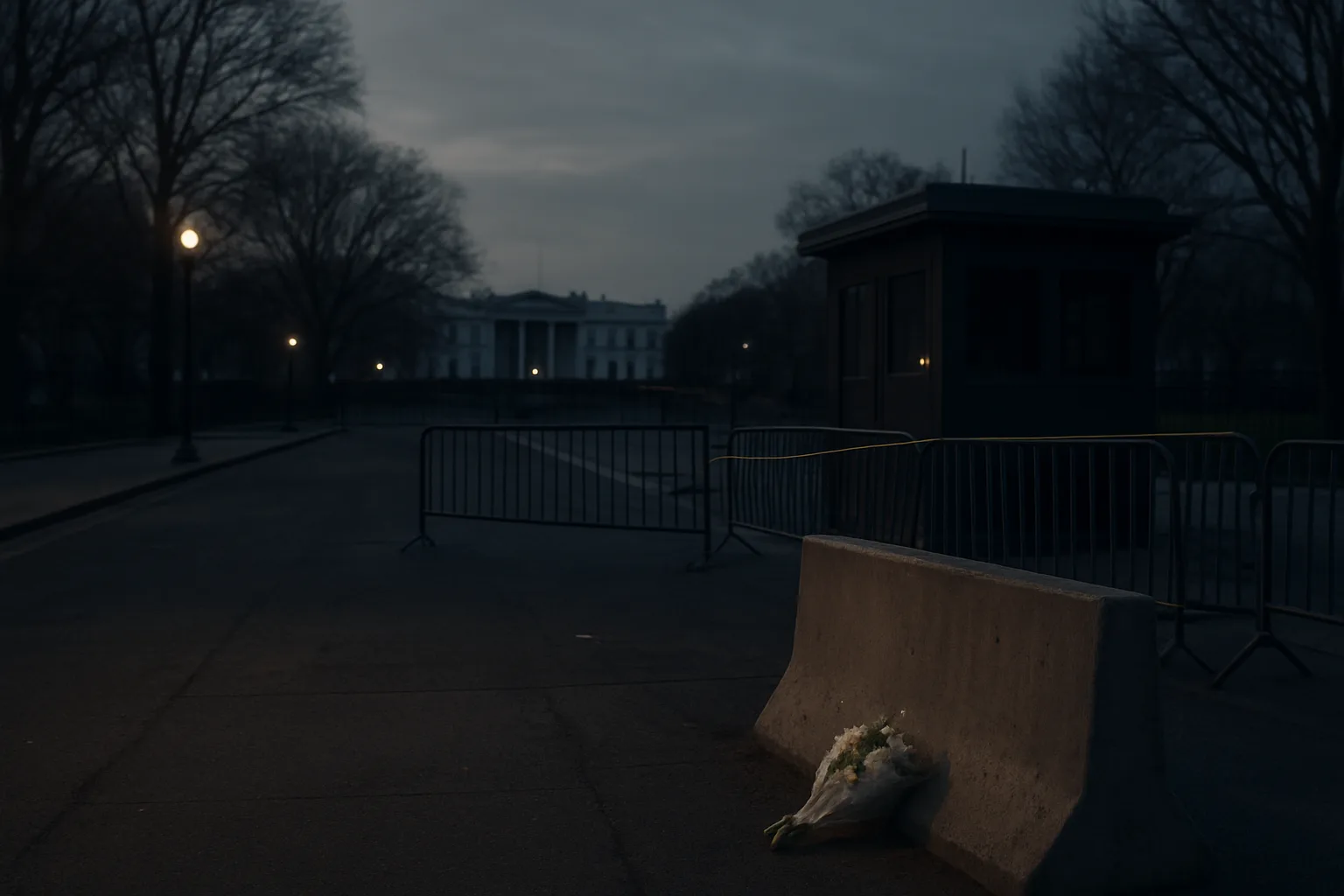
Pfc. Benjamin Del Real Jr., 25, had spent the afternoon touring national landmarks with his family before they passed the White House on their way to dinner. Witnesses say a man pulled out a gun and opened fire near a Secret Service outpost. Agents returned fire and the shooter was killed, but one of the rounds struck Del Real in the stomach.
The wound was severe. He required emergency surgery, then a second operation two days later to remove the bullet, and doctors removed portions of his colon and small intestine. Del Real is scheduled for a third operation and his attorney says those injuries cast doubt on his ability to continue an Army career.
The legal claim and the damages sought
Del Real filed a notice of a personal injury claim this week, signaling plans to sue for $25 million under the Federal Tort Claims Act. The claim alleges the Secret Service botched its response to the shooting and failed to adequately protect him and other bystanders.
Federal law shields many actions by law enforcement, but the Federal Tort Claims Act creates a path for cases involving alleged negligence by government employees. Del Real’s notice is the procedural step that precedes a civil suit and puts the agency on formal notice of the complaint and the damages sought.
Why the Secret Service lawsuit matters
The question at the center of this dispute is whether any of the rounds fired by Secret Service agents struck Del Real. The agency says it does not comment on pending litigation. Metropolitan Police officials said ballistics testing on the bullet that hit Del Real had not yet been returned and that the criminal investigation remained active.
Those missing ballistic results complicate any immediate public assessment of responsibility. Without confirmation of the bullet’s origin, the lawsuit hinges on the sequence of events, witness accounts and whether agents’ tactics met legal and constitutional standards for use of force in a crowded public space.
Family and battlefield-trained reactions
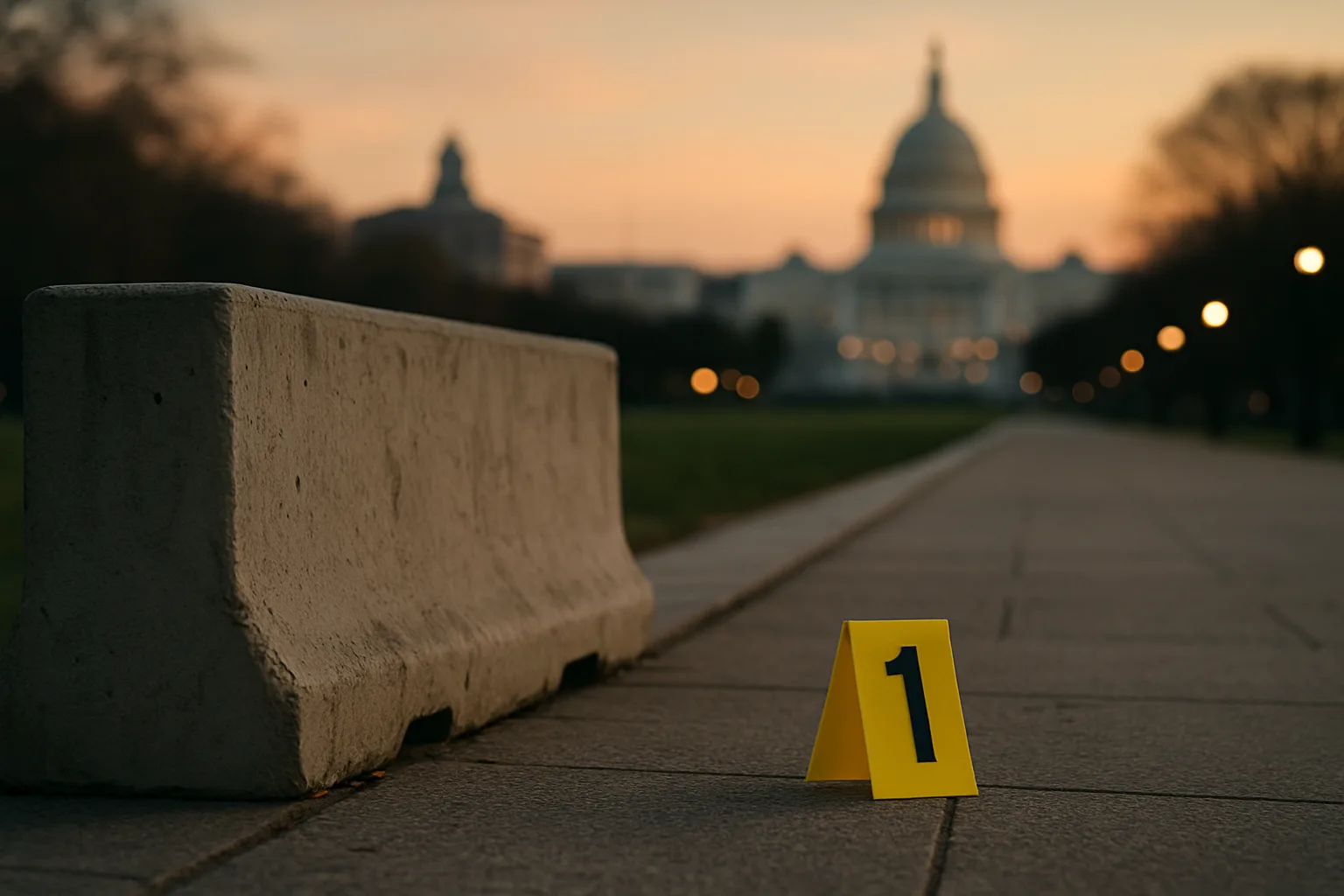
Del Real’s family describes a chaotic scene. His sister said she, their father and Del Real feared for their lives, and recalled the moment she saw him bleeding as the most terrifying moment of her life. His attorney said the shooter fired several rounds toward a Secret Service booth roughly 20 yards away, prompting agents to return what the lawyer described as a “hail of gunfire.” Del Real pulled his father behind a concrete barrier, an action that his attorney says saved his father’s life.
The shooter was identified by authorities as a 21-year-old man who was killed at the scene. Investigators have been working to sort the sequence of events and the trajectory of individual rounds in an environment where multiple people fired weapons.
Investigations, accountability and the legal path forward
Investigators from the Metropolitan Police Department and federal agencies remain involved. The U.S. Attorney’s Office was also contacted during inquiries and did not immediately respond to requests for comment. The Secret Service has said it does not comment on pending litigation.
Del Real’s decision to file a government tort claim does not itself prove negligence; it starts a legal clock. If the agency denies the claim or fails to settle, the soldier could move to federal court. The complaint will likely rely on witness testimony, medical records, timelines of the shooting and ballistics once they are available.
For families and bystanders, the practical question is how an agency tasked with protecting a high-profile public space responds when violence erupts nearby, and what safeguards are in place to limit harm to civilians.
What this means for the soldier
Del Real joined the Army about a year and a half ago. His attorney has said the removal of parts of his digestive system is a life-altering injury that casts serious doubt on his long-term health and ability to remain on active duty. The claim seeks damages for medical costs, future care needs, pain and suffering, and any career impacts tied to his injuries.
The case also raises questions about how agencies coordinate in high-traffic areas near national landmarks and how they account for civilian safety when using lethal force in response to an armed attacker.
Final Verdict
The notice of claim marks the start of a legal process that could take months or years to resolve and that will depend in part on ballistics and investigative findings that are still pending. For Del Real and his family, the lawsuit is as much about accountability and clarity as it is about compensation. The outcome will hinge on whether investigators can determine the source of the round that wounded him and whether a court finds that agents’ actions met the legal standard for use of force in a crowded public space.