The Indian Health Service is finally getting a permanent leader again, and the stakes for Mark Cruz could not be higher. The longtime tribal health adviser is stepping into an agency that serves roughly 2.8 million Native American and Alaska Native people and is expected to fix a system that has been underfunded, understaffed and literally crumbling for decades.
Cruz, a citizen of the Klamath Tribes and now director of the Indian Health Service (IHS), has said he plans to advocate “ferociously” for better outcomes in Indian Country. He will need every bit of that energy: the agency he inherits faces aging facilities, stubbornly high provider vacancies and a funding gap measured in tens of billions of dollars.
Who is Mark Cruz, and why his appointment matters
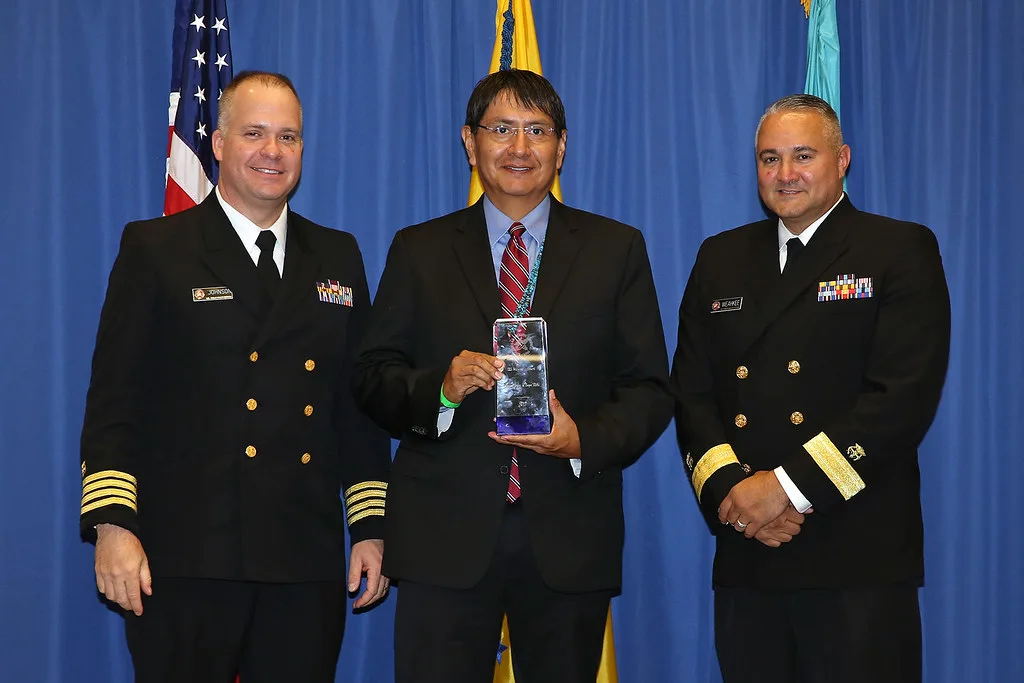
The Senate confirmed Mark Cruz to a four-year term as IHS director in a 51-47 vote, part of a larger bloc of more than 70 confirmations pushed through before lawmakers left for the August recess. His confirmation fills a role that has been vacant since late 2025, leaving the agency without a permanent chief during a period of intense public health and budget pressure.
Cruz is not new to federal Indian policy or to the politics of tribal health care. He has been serving as a senior adviser on tribal health to Health and Human Services Secretary Robert F. Kennedy Jr., a role he will keep while leading IHS. In a previous stint in the Trump administration, he ran the Office of Indian Energy and Economic Development at the Bureau of Indian Affairs, giving him experience at the intersection of tribal governance, federal bureaucracy and infrastructure development.
For Native communities and health advocates, the fact that an enrolled tribal citizen is taking the reins matters. Cruz told senators at his July confirmation hearing that his own family, friends and community will live with the consequences of his decisions for years. That personal stake is part of the pitch that he brings “lived experience” to an agency that has often felt distant from the people it serves.
The scale of the Indian Health Service’s challenges
The Indian Health Service exists because of a legal obligation. Through treaties and federal law, the U.S. government has a trust responsibility to provide health care to Native peoples. On paper, that sounds straightforward. In practice, the system has been strained for generations.
The basics are stark:
- IHS provides care to about 2.8 million Native American and Alaska Native people across the country.
- The agency operates 21 hospitals and 78 smaller health centers nationwide.
- The average IHS facility is about 40 years old, and roughly one-third of those buildings are rated in “poor” physical condition.
Those aging clinics and hospitals sit at the center of a 30-year backlog of facilities that need replacement, modernization or both. An older building is not just an eyesore; it limits the type of care that can be safely delivered, complicates infection control, and makes it harder to recruit clinicians who are in high demand elsewhere.
Layered on top of the infrastructure problem is a human one. IHS has been coping with high vacancy rates for doctors, nurses, dentists and other providers for years. Many of its locations are rural or remote. The pay is often lower than in competing health systems, and the work can be emotionally and logistically demanding. The result: patients can face long waits, limited specialty access and frequent turnover in the professionals they see.
A funding gap that defines everything
Those operational problems all trace back to a simple math issue—there is not enough money. The National Indian Health Board estimates it would take roughly $73 billion for IHS to fully meet the health care needs of tribal nations. For the current fiscal year, Congress has appropriated just over $8 billion.
Even allowing for differences in how those figures are calculated, the direction of the gap is obvious. The federal government is funding IHS at a level that advocates say is far short of what comparable systems receive, leaving tribal health programs to stretch dollars across basic clinical care, public health, mental health, and the long-term fallout of historical trauma.
That shortfall shows up everywhere: delayed facility replacements, outdated equipment, thin staffing and hard choices about which services can be offered locally and which require expensive referrals. It also feeds into a chronic sense among patients and tribal leaders that the federal government is not living up to its promises.
What Cruz says he wants to fix
Cruz has already outlined some of his priorities, and they go straight at the structural weaknesses of the Indian Health Service.
Confronting the staffing crisis
High provider vacancy rates are more than a budget line item; they are the difference between a staffed emergency room and a dark one. Cruz has signaled that closing those gaps will be central to his tenure. That likely means pushing for more competitive compensation, expanding pipeline programs that recruit Native students into health careers, and using every incentive available to draw clinicians to IHS facilities.
Stabilizing the workforce also matters for trust. Continuity of care—seeing the same doctor or nurse over time—is a critical piece of managing chronic conditions that are all too common in Indian Country, from diabetes to heart disease. When staff churn is constant, that continuity disappears.
Replacing decaying facilities
Cruz is inheriting a 30-year backlog of hospitals and clinics that need replacement. The average IHS building is already four decades old, and one in three is considered in poor physical condition. That is a safety issue as much as a comfort one.
Upgrading those facilities is also about parity. Patients in tribal communities see gleaming new hospitals appear in nearby cities while their own clinics cope with leaking roofs, outdated ventilation and tight exam rooms. Modernizing IHS infrastructure is part of signaling that Native health is not an afterthought.
Shielding tribal health from budget chaos
One of Cruz’s most pointed commitments is to better insulate tribal health programs from federal budget impasses. When Washington lurches from one spending deadline to another, agencies resort to temporary funding patches. For health systems that run on tight margins, that uncertainty can stall hiring, delay contracts and scare off would-be recruits.
Cruz has pledged to push for more stable, predictable funding mechanisms so that tribal programs—especially those that run their own clinics under federal compacts—are not constantly bracing for a shutdown or a last-minute budget cut.
Paying tribes for the real cost of self-governance
Over the past several decades, many tribes have assumed direct control of their health programs, managing clinics and hospitals under federal agreements rather than relying on IHS to run them. That shift has allowed tribal nations to tailor services to local needs, but it also comes with overhead costs: administration, billing systems, facilities maintenance and more.
Cruz has committed to funding more of those overhead costs so that tribes are not subsidizing the federal trust responsibility out of their own limited resources. Getting that right is not just an accounting tweak; it is a test of whether the federal government is serious about both self-determination and health equity.
Why this moment is a “critical time” for Native health
National Native organizations are framing Cruz’s confirmation as a turning point. The National Congress of American Indians called the timing “critical,” underscoring that the health gaps facing Native communities are not academic. They show up in shortened life expectancies, higher rates of chronic disease and limited access to behavioral health care.
The National Indian Health Board, which has been sounding the alarm on the $73 billion funding need, publicly applauded Cruz’s confirmation. Their message is blunt: IHS will either get closer to meeting the health needs of tribal nations in the next four years, or the gulf between federal obligation and on-the-ground reality will widen.
Having a confirmed director gives tribes and advocates a clear point of accountability. For nearly a year, the top job at IHS sat empty, complicating long-term planning and high-stakes negotiations with Congress and other agencies. With Cruz in place—and also plugged directly into the Health and Human Services leadership—there is less room for excuse-making if the agency continues to lag.
The political and practical tightrope ahead
Cruz is stepping into a role that is as political as it is technical. As a member of President Donald Trump’s slate of nominees, he will have to navigate partisan skepticism in Congress even as he asks lawmakers for more money and more flexibility.
At the same time, he carries expectations from tribal leaders who are tired of hearing that change is coming “soon.” They will judge him not only on budget wins, but on how responsive IHS becomes to local concerns: things like consultation on major policy shifts, transparency about staffing plans, and how quickly the agency moves on long-delayed building projects.
There are also practical constraints. Even a motivated director cannot conjure $73 billion out of thin air or rebuild three decades of neglected infrastructure overnight. The test for Cruz will be whether he can show visible progress on the backlog, reduce vacancy rates, and secure more stable funding arrangements while making the case that Native health is a national priority, not a niche issue.
What This Means
The confirmation of Mark Cruz as Indian Health Service director does not fix the structural problems that have plagued Native health care. But it ends a leadership vacuum at an agency that millions of people depend on and puts someone with deep roots in tribal communities in the driver’s seat.
If Cruz can deliver on his promises—tackling provider shortages, pushing down the 30-year facilities backlog, and buffering tribal health programs from Washington’s budget fights—the next four years could mark a rare stretch of forward motion for IHS. If he cannot, the numbers that already define the agency—crumbling 40-year-old buildings, high vacancy rates and a funding gap that runs into the tens of billions—will keep telling the same story.
For Native patients, that story is not abstract. It is the distance they must travel for care, the open position on the clinic door, the outdated equipment in the exam room. Cruz has made it clear that his own family will live with the consequences of his leadership. So will 2.8 million other people. The question now is whether Washington will give him the tools—and the funding—to do more than triage a broken promise.
Photo: nnwo / BY-ND via Openverse