Michigan health officials have confirmed a rare human case of swine flu linked to the Kent County Youth Fair, and they want anyone who spent time around pigs there to pay close attention to how they’re feeling.
The Michigan Department of Health and Human Services (MDHHS) says the patient, an Ionia County resident, tested presumptively positive for influenza A H1N2 swine flu after participating in the Kent County Youth Fair earlier this month. While officials stress that the overall risk to the general public remains low, the case is a fresh reminder that flu viruses don’t just circulate in winter or in humans — and that close contact with pigs can occasionally allow animal strains to jump species.
What happened at the Kent County Youth Fair?
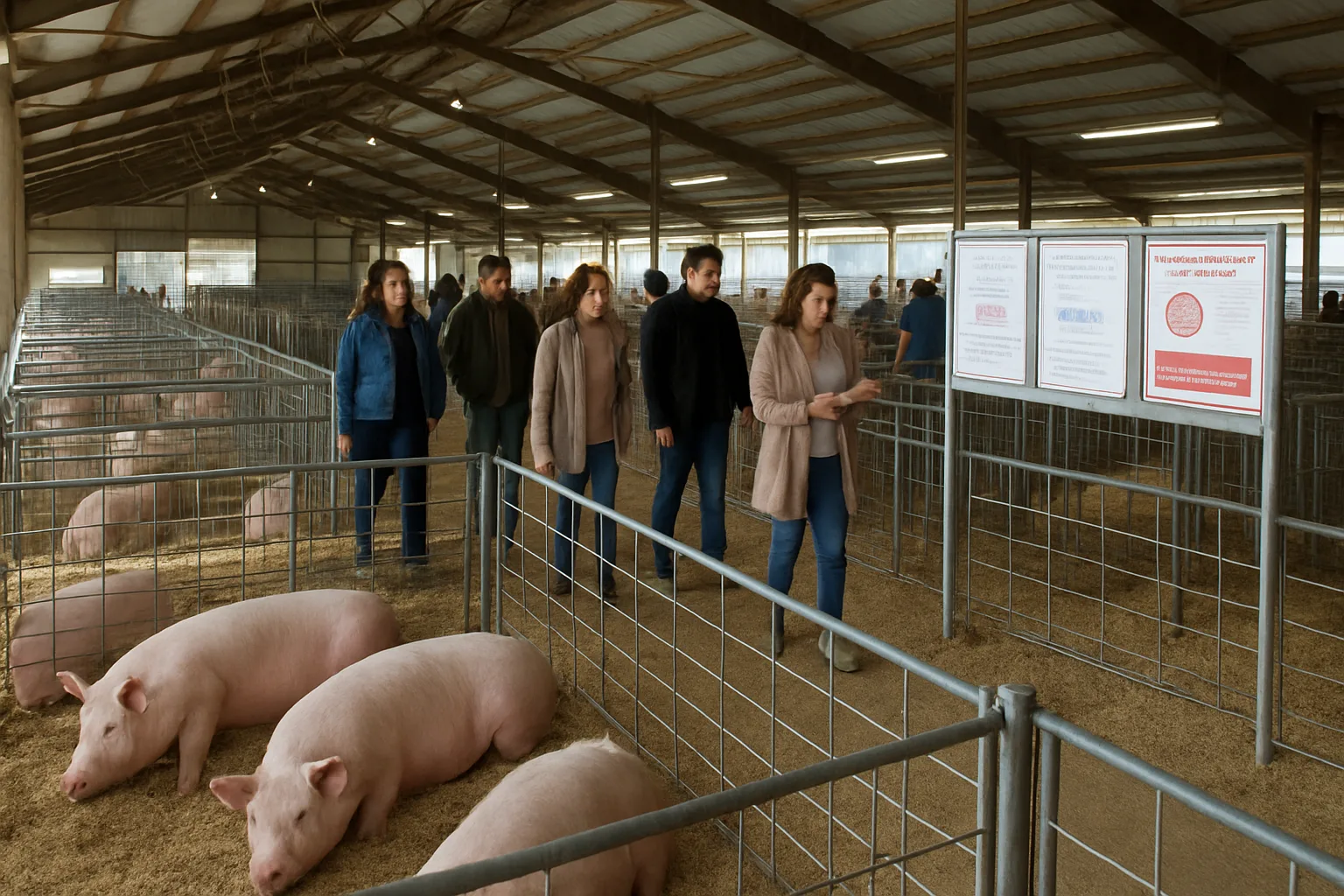
The confirmed swine flu case is tied to the Kent County Youth Fair, which ran August 3–8 at the Grand Agricultural Center in Lowell, Michigan. The patient was a participant at the fair and had contact with pigs before developing illness.
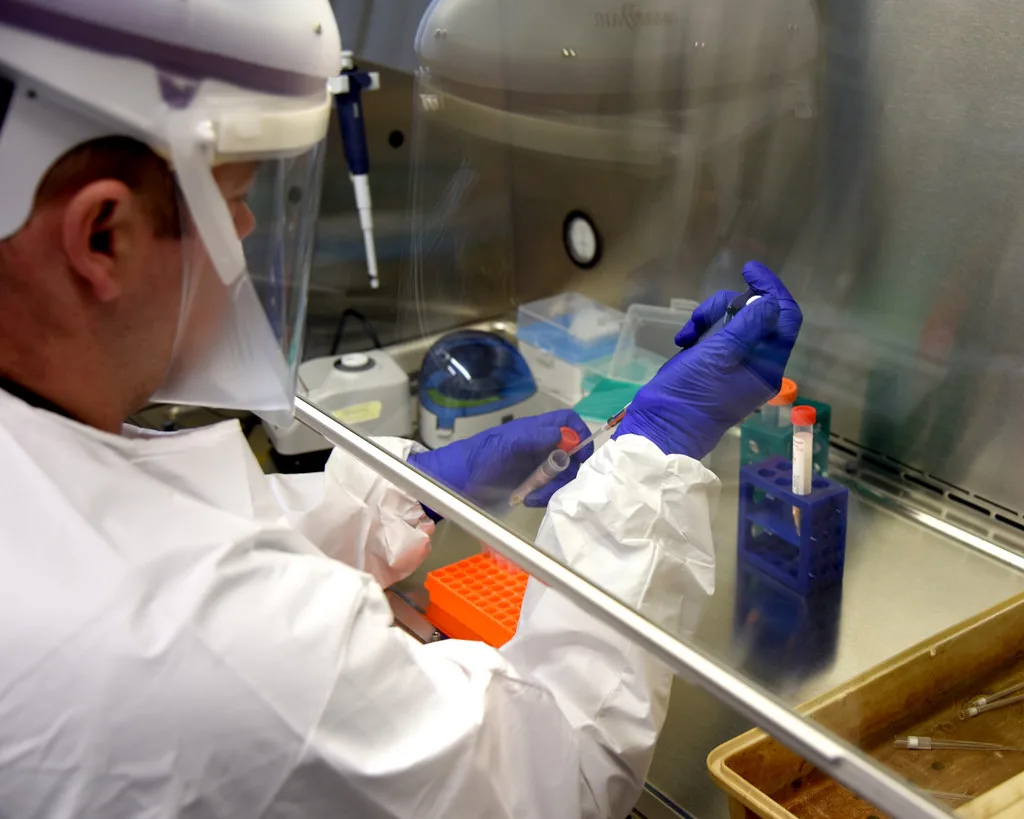
Testing at the MDHHS Bureau of Laboratories identified influenza A H1N2, a variant strain that typically circulates in swine but can infect people who have direct or close contact with pigs. Health officials from the state, Kent County, and neighboring Ionia County are now working together to track down and notify anyone who exhibited pigs or visited the pig barns during the fair.
At this point, officials have not described widespread illness linked to the event, and there’s no indication of sustained person-to-person spread. The focus is on making sure people who had contact with pigs know what to watch for and when to call their doctor.
What is swine flu H1N2, exactly?
Swine flu is a broad term for influenza viruses that primarily infect pigs. These viruses evolve constantly, and some can occasionally infect humans, especially when there is prolonged, unprotected contact in barns, show rings, and other close quarters.
In this case, the virus identified is influenza A H1N2, a variant strain seen in pigs. When such a virus infects a person, health authorities typically label it a “variant” influenza case and investigate it more closely. That includes confirming the strain, monitoring close contacts, and watching for any hints that the virus is adapting to spread easily from person to person.
Health officials emphasize that most people who get infected with swine-origin flu after contact with pigs experience illness similar to seasonal flu and recover fully. The concern is less about this single illness and more about making sure unusual flu strains don’t gain a foothold in the community.
Symptoms to watch for after fair or pig exposure
MDHHS is urging anyone who visited the Kent County Youth Fair and had contact with pigs — especially in barns or show rings — to be on alert for flu-like symptoms in the days after their visit.
Typical swine flu symptoms are very similar to regular seasonal flu and can include:
- Fever or feeling feverish
- Cough
- Runny or stuffy nose
- Body aches
- Nausea or vomiting
- Diarrhea
Anyone who develops these symptoms after being around pigs should call a health care provider and make sure to mention their recent pig exposure at the fair or on a farm. That detail matters: it can prompt different testing and earlier treatment decisions.
Health officials also stress one simple step with outsized impact: if you’re sick, stay home. That means skipping work, school, and social events until you’ve recovered, both to protect others and to avoid spreading any unusual flu strain further.
Who is at highest risk from swine flu?
Most healthy children and adults recover from influenza without complications, but some groups are far more likely to get seriously ill. MDHHS is flagging these high-risk groups in the wake of the Kent County Youth Fair case:
- Children under 5 years old
- Adults 65 and older
- Pregnant people
- People with chronic conditions such as asthma, diabetes, or heart disease
- Anyone with a weakened immune system
- People with neurological conditions
For these groups, even a routine flu infection can spiral into pneumonia, hospitalization, or worse. If someone in one of these categories has been around pigs and starts feeling sick, they should get in touch with a health care provider quickly — antiviral medications work best when started early.
How to protect yourself at fairs and livestock events
The Kent County Youth Fair swine flu case is drawing attention because it’s a concrete example of how close contact with animals can occasionally carry infectious risks. But it’s also a scenario where simple, familiar precautions can go a long way.
MDHHS is urging people who attend county fairs, livestock shows, or farm visits to stick to these basic habits:
- Wash your hands often with soap and water, especially after touching animals or being in barns. If soap and water aren’t available, use an alcohol-based hand rub.
- Avoid touching your eyes, nose, and mouth. These are the main entry points for germs you pick up on your hands.
- Cover coughs and sneezes with a tissue, then throw it away, or use your elbow if a tissue isn’t handy.
- Steer clear of people who are visibly sick, and if you’re the one who’s sick, stay home until your illness has passed.
- Skip pig contact if you have flu-like symptoms. Wait seven days after your illness starts, or until you’ve been fever-free for at least 24 hours without fever-reducing medication — whichever is longer.
There are also specific steps for keeping pig areas safer for both humans and animals:
- Don’t eat or drink in livestock barns or show rings.
- Don’t bring toys, pacifiers, or other personal items into pig areas, especially for young children.
- Wash hands immediately after leaving animal areas, even if you didn’t touch the animals directly.
None of this is complicated, but when thousands of people cycle through fairgrounds every summer, these small behaviors add up.

Why health officials still say the public risk is low
Any mention of “swine flu” understandably raises anxiety, especially for people who remember past global flu scares. But in this Kent County Youth Fair case, Michigan health officials are being careful to balance transparency with reassurance.
So far, there’s one identified human infection with H1N2 swine flu in an Ionia County resident who had direct exposure to pigs. That’s very different from a flu strain that’s spreading widely in the community. Right now, health agencies are focused on three things: contacting pig exhibitors and their families, monitoring for additional illnesses, and reinforcing basic prevention steps for anyone who spent time in the pig barns.
Events like this are exactly why surveillance systems exist. When labs flag an unusual flu strain, health departments can act quickly, inform the public, and gather more data. If no further cases turn up, the event becomes a contained incident — and a useful drill for the next time a virus pops up somewhere unexpected.
Where the flu shot fits in
As part of their response, MDHHS is also reminding residents to get an influenza vaccine. The standard seasonal flu shot is designed for the strains health experts expect to circulate widely in the upcoming season, not necessarily for every swine-origin variant. Still, it’s a key piece of the puzzle.
By reducing the overall amount of flu in circulation, vaccination helps limit opportunities for human and animal viruses to mix and mutate. It also reduces the odds that someone in a high-risk group will end up hospitalized from what might otherwise have been a routine infection.
The takeaway isn’t that a flu shot guarantees protection from every swine flu variant. It’s that vaccination, combined with smart behavior around animals, makes it harder for strange new versions of the flu to gain traction.
County fairs are here to stay — so is the risk
Michigan’s summer fair circuit is a staple of community life — 4-H kids who have worked all year with their animals, families crowding show barns, food stands just outside the livestock areas. None of that is going away, nor are public health officials trying to shut it down.
What they are pushing for is a more realistic understanding of the trade-offs. Walking through a pig barn is not a zero-risk activity, especially if you’re in a high-risk health group, pregnant, or bringing very young children along. On the flip side, the Kent County Youth Fair swine flu case shows how rare these infections are relative to the sheer number of people who attend fairs every year.
The goal is to keep that balance tilted in our favor: let the fairs go on, but treat basic hygiene and common-sense precautions as part of the experience, not an optional add-on.
What This Means
The confirmed swine flu case tied to the Kent County Youth Fair isn’t a reason to panic or to swear off county fairs forever. It is a reason to take the words “flu season” less literally and remember that influenza can surface in August, in a barn, after a seemingly ordinary week at the fairgrounds.
For Michigan residents, the message from health officials is straightforward: if you were around pigs at the Kent County Youth Fair and you now feel sick, call your doctor and mention that exposure. If you plan to visit more fairs this season, treat handwashing and keeping food out of the barns as non-negotiable. And when flu vaccines become available, rolling up your sleeve is still one of the simplest ways to keep both seasonal and swine-related flu risks in check.
Photo: The National Guard / BY via Openverse