A confirmed swine flu infection tied to a Michigan youth fair is a reminder that getting close to pigs isn’t just cute and Instagrammable — it carries real health risks, especially for people with underlying conditions.
State health officials say an Ionia County resident who exhibited pigs at the Kent County Youth Fair in Lowell has tested positive for the H1N2 variant of swine flu, a strain of influenza A that circulates in pigs but occasionally jumps to humans. The fair ran Aug. 3-8 at the Grand Agricultural Center of West Michigan; the case was confirmed on Aug. 14 after testing by state labs and the U.S. Centers for Disease Control and Prevention.
What happened at the Kent County Youth Fair
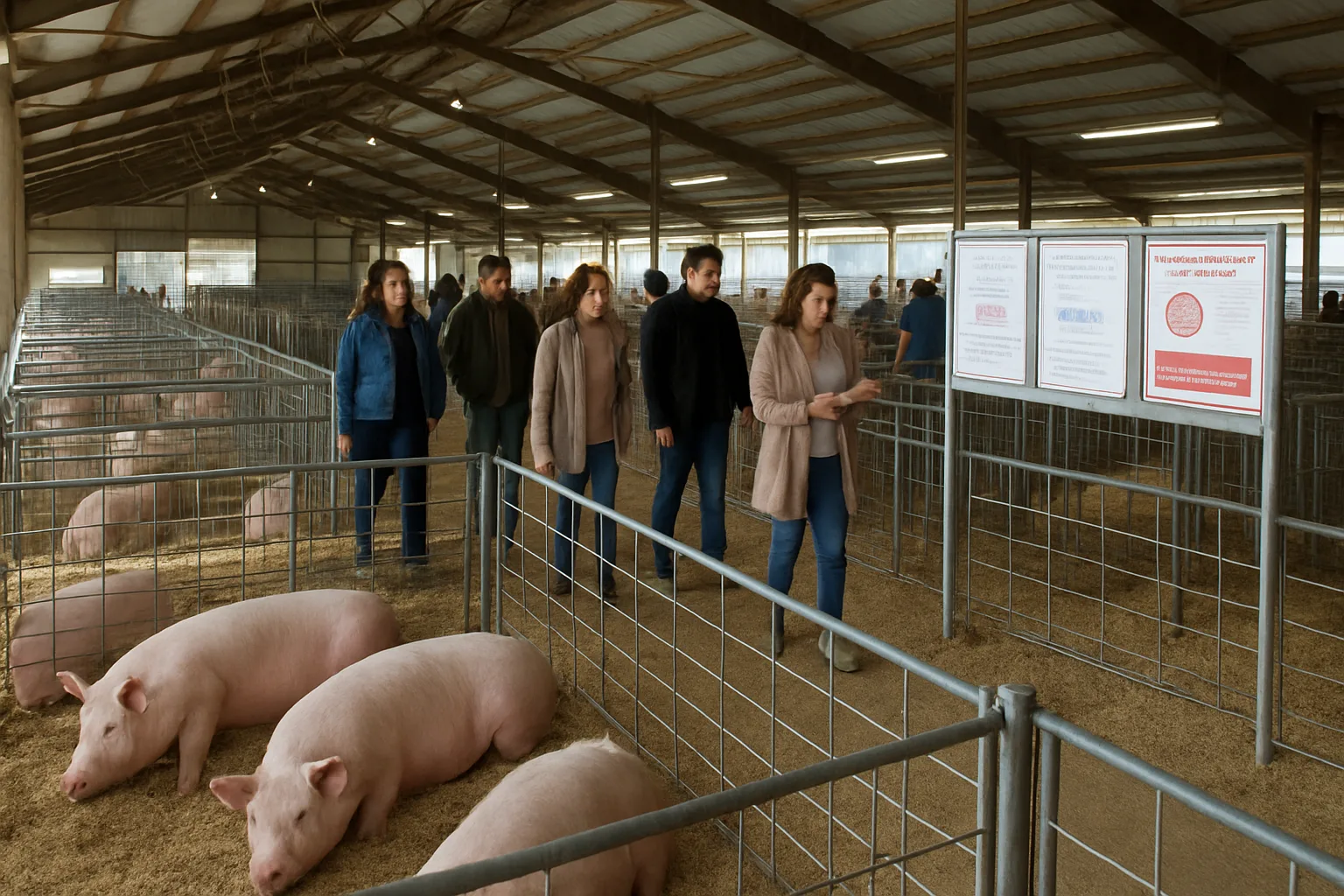
The chain of events started when several pigs at the fair became visibly ill. At least one hog died suddenly, and other animals developed high fevers — 105 degrees or higher — and respiratory symptoms. Once those signs showed up, fair organizers closed the swine barn to the public, pulled sick animals off-site, and tried to separate healthy pigs from the rest.
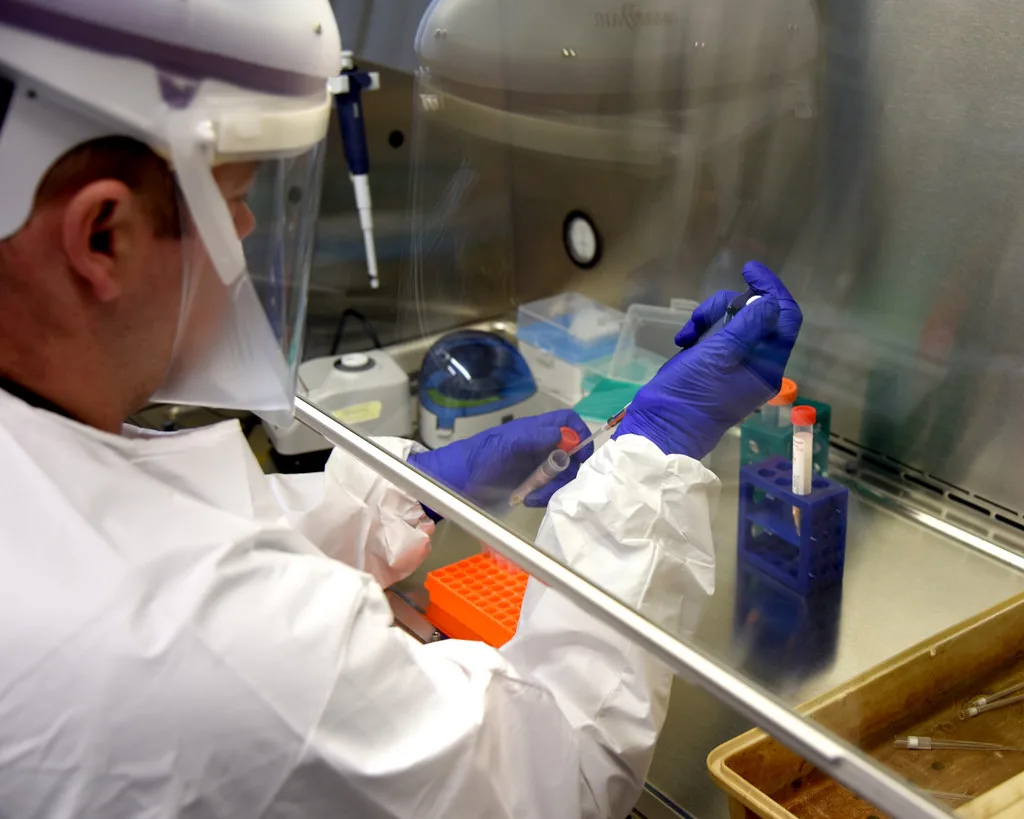
Samples from symptomatic pigs were tested by a veterinary diagnostic lab and came back positive for swine influenza. That prompted a wider public health response: county and state teams began contacting swine exhibitors and their families, urging them to watch for flu-like illness and to get tested if symptoms appeared.
More than a dozen people who attended the fair have since reported feeling sick and agreed to swine flu testing. So far, only one human case — the Ionia County exhibitor — has been confirmed as an H1N2 variant of influenza A, but additional lab results are still pending.
Officials stress that while the overall risk to the general public is low, anyone who spent time in the swine barn or had direct contact with pigs at the fair should be on alert for symptoms and call a health care provider if they feel ill, especially if they are at higher risk for complications from flu.
What is swine flu, exactly?
“Swine flu” isn’t a single virus. It’s a group of influenza A strains that usually spread among pigs but can cross into people and, less commonly, birds. In technical terms, the current case is an H1N2 variant influenza A infection — one of several swine-origin variants that occasionally infect humans.
The concern isn’t just this one case in Ionia County. Flu viruses in pigs are notorious shapeshifters. When multiple strains circulate in the same animal, they can swap genetic material, a process called reassortment. That’s how new variants sometimes emerge with better ability to spread between humans.
The 2009 H1N1 pandemic is the clearest example. A swine-origin influenza strain jumped into humans and spread worldwide, infecting tens of millions of people in the U.S. alone and causing thousands of deaths. That history is why public health agencies track every new human infection with swine-origin variants, even when those infections appear to be limited and linked to a specific event like a county fair.
How swine flu spreads between pigs and people
At its core, swine flu spreads the same way seasonal flu does: through respiratory droplets. In pigs, that means coughing and sneezing in barns, pens, and transport trucks. When humans are close enough to inhale those droplets — or get them in their eyes, nose, or mouth — the virus has a chance to infect a new host.
County and state officials say the likely pathway at the Kent County Youth Fair was straightforward: exhibitors and visitors spent prolonged time around pigs, some of which were actively sick. That created a classic setup for what health authorities call “variant influenza” infections — human cases directly linked to infected animals, usually with close contact in agricultural settings.
One important clarification: people do not get swine flu from eating properly cooked pork or from handling packaged pork products. The risk is about live animals, shared airspace, and respiratory droplets, not what’s on your plate.
Symptoms to watch for after pig exposure
For people who attended the Kent County Youth Fair and spent time near pigs, the advice right now is simple: monitor your health for the next 10 days. Swine flu symptoms look a lot like the seasonal flu, and they can take anywhere from one to 10 days to show up after exposure.
Health officials list the following symptoms as red flags for possible swine flu infection:
- Fever
- Fatigue or unusual tiredness
- Loss of appetite
- Cough
- Runny nose
- Sore throat
- Eye irritation
- Nausea
- Vomiting
- Diarrhea
Anyone who develops a cluster of these symptoms after contact with pigs should call their health care provider and mention the exposure. Local health departments can help arrange testing, which typically starts at state labs and, if positive for swine-origin variants like H1 or H3, gets confirmed by the CDC.
Who is most at risk from swine flu?
Variant influenza infections, including H1N2, can sometimes cause severe disease even in otherwise healthy people. But the highest risk still falls on the same groups who are vulnerable during a typical flu season.
Public health officials are especially concerned about people who:
- Have asthma or other chronic lung disease
- Live with diabetes
- Have heart disease
- Have weakened immune systems
- Have neurological or neurodevelopmental conditions
- Are very young children
- Are older adults
For these groups, any flu infection — seasonal or swine-origin — is more likely to lead to complications like pneumonia, hospitalization, or, in rare cases, death. That’s why officials are urging people at higher risk to think carefully about how close they get to pigs at fairs and exhibitions, especially when animals appear ill.
How fairs are trying to keep people — and pigs — safer
The Kent County Youth Fair response followed a playbook that’s become increasingly common at agricultural events. Once sick pigs were identified, the swine barn was closed to the general public, and affected animals were moved off-site for isolation. Veterinary testing kicked in quickly, confirming swine influenza among symptomatic hogs.
State veterinarians emphasize that seeing flu in pigs is not unusual. What matters is how exhibitors and organizers respond when illness shows up. Best practices include:
- Removing sick animals from public display as soon as they show symptoms
- Working with veterinarians to test for infectious diseases
- Keeping detailed records of exhibitors and animal movements
- Improving barn ventilation and reducing crowding around animals
- Encouraging handwashing and limiting food and drink in animal areas
Health officials are also pushing for better communication loops. In this case, county and state teams reached out directly to swine exhibitors and their families to flag potential exposure. At the same time, local health care providers were alerted to be on the lookout for patients with respiratory symptoms who recently had contact with pigs or visited the fairgrounds.

Practical precautions for families headed to the fair
Swine flu cases linked to fairs are rare, and officials are not telling people to avoid their local events altogether. But the Michigan case is a reminder that a few simple habits can significantly lower your risk when you’re wandering the barns.
If you’re planning a trip to a fair or livestock show, experts recommend:
- Washing hands thoroughly with soap and water after visiting animal barns
- Avoiding eating, drinking, or touching your face while in animal areas
- Skipping close contact with pigs that look sick or lethargic
- Limiting time in swine barns for babies, older adults, and people with chronic health conditions
- Leaving strollers and pacifiers out of animal pens to reduce contamination
People who exhibit pigs or work closely with them should be especially careful about recognizing early signs of illness in animals and reporting them to veterinarians. Masks are not routinely recommended for casual visitors in barns, but they can offer an extra layer of protection for higher-risk individuals who expect prolonged close contact with pigs or crowded indoor spaces.
Why public health takes every swine flu case seriously
On its own, a single H1N2 case in an Ionia County resident would be a small event. The person had a clear exposure — exhibiting pigs at a youth fair where animals were sick — and there’s no evidence so far that this variant is spreading widely in the community.
But every swine-origin infection is also a data point in a much larger surveillance system. Tracking these cases helps scientists understand which flu strains are circulating in pigs, how often they cross into humans, and whether they’re starting to adapt for easier human-to-human spread.
That’s the real long-term concern: another virus that, like H1N1 in 2009, evolves into a strain well-suited to efficient transmission between people. By catching and investigating cases tied to fairs, farms, and other animal settings, public health agencies are trying to stay ahead of that curve.
What This Means
For most people who popped by the Kent County Youth Fair this month, the risk from swine flu is low. For one Ionia County exhibitor, it turned into a confirmed H1N2 infection — and for public health officials, it’s a clear signal not to let their guard down around influenza in pigs.
The takeaway is less about panic and more about respect. Fairs, 4-H shows, and youth livestock programs are a core piece of rural life and agricultural education. They can stay that way, safely, if everyone in the mix — exhibitors, organizers, veterinarians, and visitors — takes basic swine flu precautions seriously.
If you had close contact with pigs at a recent fair and now feel sick, call your doctor, mention the exposure, and stay home until you’re better. Monitoring this one case closely isn’t overkill; it’s how we keep a local swine flu story from ever becoming the next global headline.