For 40 tightly framed seconds on Capitol Hill, the Fox News anchor Laura Ingraham and infectious disease expert Anthony Fauci accidentally shared the same shot – and the same unresolved argument – in front of the country. The visual was impossible to miss: a prominent Fauci critic seated directly behind him as he appeared before a Senate panel. In a single camera angle, the Covid culture war was back on screen.
The moment, featuring Ingraham behind Fauci during his latest clash with lawmakers, was brief. But it distilled years of anger, media attacks and political point-scoring around the US Covid-19 response into one highly charged tableau.
Fauci returns to Capitol Hill – and goes silent
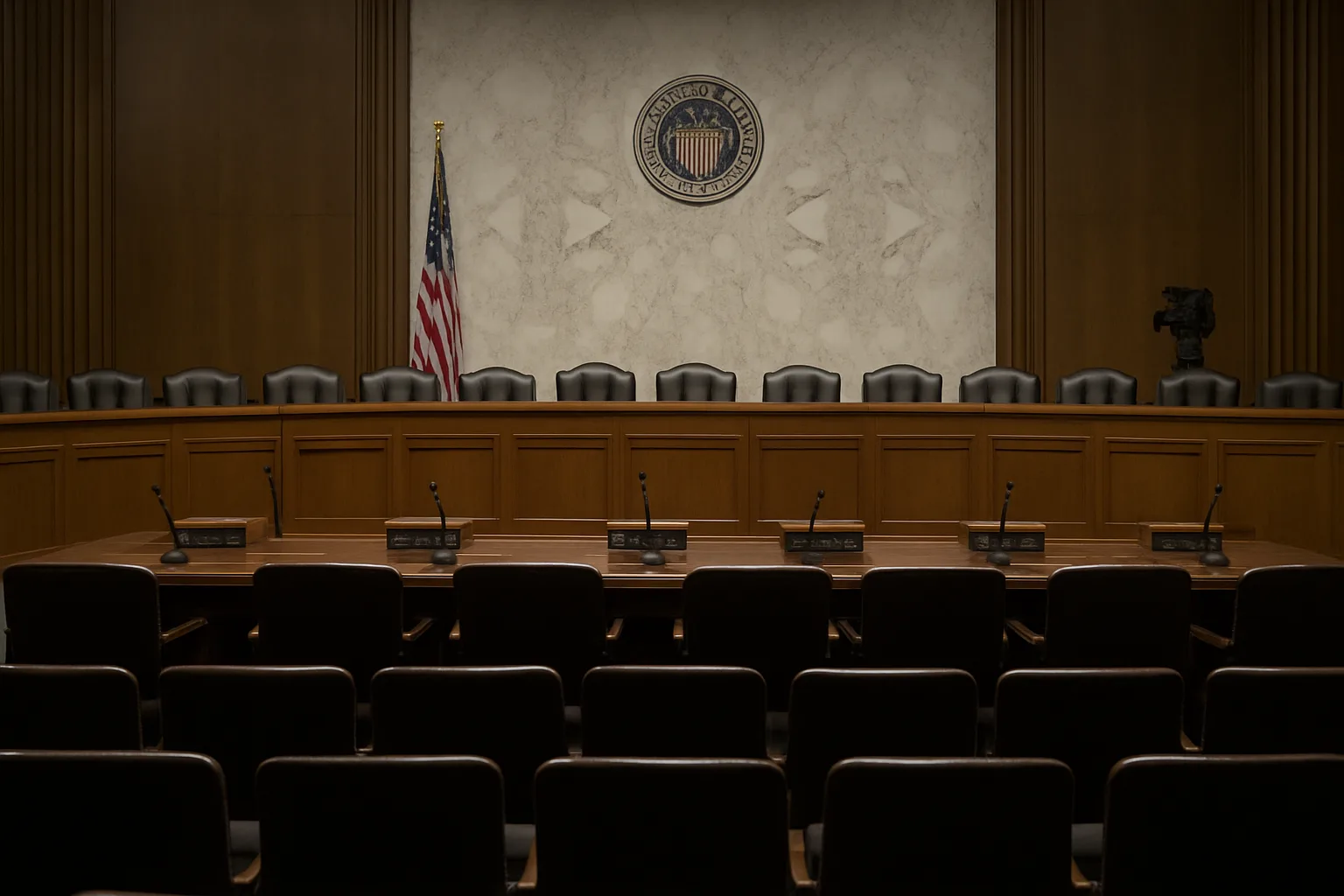
The hearing itself was supposed to be the headline. Fauci, who led the US government response to the Covid-19 pandemic, was back before senators after being subpoenaed by Republican Sen. Rand Paul. Instead of sparring with lawmakers as he had many times before, he invoked his Fifth Amendment right against self-incrimination just minutes into the session and refused to testify.
For a figure who spent the pandemic lecterns fielding questions at length, that decision was jarring. The Fifth Amendment shield is most often associated in the public imagination with criminal investigations, not public health briefings. Whatever legal strategy lies behind it, the optics were stark: one of the most visible faces of the Covid era sitting in silence at a moment when many Americans still want answers about what went right, what went wrong, and who should be held accountable.
That silence created a vacuum – one that others in the room were quick to fill.
Laura Ingraham, Covid criticism, and claims of being ‘shamed’
Enter Laura Ingraham. The Fox News host has for years used her platform to question and criticize the Covid-19 response, including the policies and judgments associated with Fauci. On Wednesday, she wasn’t at the witness table or on the dais. She was in the audience, but seated so close that television cameras routinely captured her directly behind Fauci’s shoulder.
Republican Sen. Bernie Moreno put her presence to work immediately. During the hearing, he pointed to Ingraham as an example of someone who, in his telling, had been “shamed” for what she said about Covid-19. In other words, he tried to flip the script: rather than focus on the content of years of televised attacks on public health officials, he framed a prominent media figure as a victim of a stifling Covid orthodoxy.
In the era of polarized pandemic memory, that framing matters. For many on the right, the story of Covid isn’t only about a virus; it’s about censorship, social pressure and alleged punishment for those who questioned lockdowns, masking rules or vaccine campaigns. Putting Ingraham in the same shot as Fauci – and then invoking her as an example of public shaming – was a deliberate move to anchor that narrative in the most symbolically charged room in American politics.
The politics of seating charts and camera angles
This wasn’t just a quirky coincidence of where someone happened to sit. In a media environment where a single still image can define a narrative, proximity is power. Having a high-profile television personality – one whose name is synonymous with sharp-edged critiques of Fauci and the broader Covid establishment – appear inches behind him on national television is itself a kind of countermessaging.
It serves several purposes at once:
- It visually fuses two of the pandemic’s most recognizable antagonists.
- It signals solidarity between Republican senators and conservative media in challenging the official Covid story.
- It invites viewers to recall years of primetime segments, monologues and chyrons that framed Fauci as overreaching or untrustworthy.
None of that required Ingraham to say a word in the hearing room. Her presence functioned as a living cutaway shot – an implied rebuttal hovering over Fauci’s shoulder, even as he declined to answer questions.
A Covid flashback in a new political season
The hearing unfolded well after the worst of the pandemic, but the energy in that room felt like a throwback. The United States is now several years removed from the height of Covid deaths, school closures and citywide shutdowns. Yet the fight over what happened – who was right, who was wrong, and who should pay a political price – is nowhere near settled.
Fauci’s decision to invoke his Fifth Amendment rights will fuel critics who already accuse him of hiding crucial information or ducking responsibility. Supporters, meanwhile, are likely to see it as a response to what they view as a hostile, bad-faith process driven more by grievance and retaliation than by a sober review of pandemic policy.
Ingraham’s cameo in the frame sharpens that divide. To one audience, she embodies the skeptics who pushed back on official narratives and now insist they were unfairly censored, mocked or sidelined. To another, she represents the cable news megaphones whose nightly broadcasts amplified misinformation and cast doubt on public health guidance in the middle of a deadly crisis.
Either way, the dynamic is the same: the pandemic is over, but Covid politics are still very much alive.
Media, memory, and rewriting the Covid story
Wednesday’s spectacle was a reminder that hearings like this are no longer just about legislation or oversight. They’re stages for competing versions of recent history, optimized for clips that can bounce from cable news to social feeds within minutes.
On the Republican side of the dais, the focus has increasingly shifted from future preparedness to revisiting and relitigating the choices made during the height of the emergency. Who ordered what? Who signed off on which recommendation? Whose emails might show doubt, inconsistency, or political calculation? In that search for villains and vindication, Fauci remains the central character.
The presence of a Fox News anchor directly behind him makes explicit what has long been implicit: this is as much a media story as a governmental one. Primetime segments over the past several years helped turn an immunologist into a household name and a lightning rod. Now, televised hearings are feeding the reverse loop – offering fresh content and new visuals that will, in turn, drive more commentary and more outrage programming.
The fact that Fauci declined to testify only intensifies that loop. Without substantive back-and-forth on policy, what’s left is posture and symbolism. A subpoena. A refusal. A famous critic in the background. A senator raising the specter of Covid “shaming.” It’s raw material for narratives, not necessarily clarity.
Why this 40-second clip matters
On paper, nothing particularly dramatic happened in that 40-second video. No one shouted. No one stormed out. There were no new revelations about vaccines, mandates or the internal debates inside federal agencies.
Yet the clip matters because it crystallizes how the United States is processing – or failing to process – the Covid years. Instead of a broad, shared effort to understand what worked and what failed, the country is watching two increasingly separate stories being told:
- One in which career public health officials, facing an unprecedented crisis, did their best under pressure and became scapegoats for a national trauma.
- Another in which a small group of powerful experts misled the public, crushed dissent and must now be hauled before Congress to answer for it.
Laura Ingraham and Anthony Fauci sitting in the same frame, with a Republican senator using her as a symbol of “shaming,” distills those dueling narratives into a single, uneasy image. It’s not a hearing in search of better pandemic playbooks; it’s a battle over who gets to finish the first draft of history.
What This Means
The scene on Capitol Hill underscores how much Covid-19 still shapes American politics, even as daily life moves on. Fauci’s Fifth Amendment moment and Ingraham’s highly visible seat behind him show that the fight isn’t over data points or epidemiology anymore – it’s over identity, loyalty and blame.
For lawmakers, that means future pandemic preparedness debates are likely to stay entangled with efforts to re-litigate the last crisis. For media figures, it’s a reminder that their on-air narratives can boomerang back into the halls of power and turn into evidence – or exhibits – in the next political confrontation.
And for the public, the split-screen of Fauci and Ingraham is a warning. If the country can’t get past using pandemic memories as partisan weapons, the next real test – whether it’s another virus or some other national emergency – will arrive to a political system still more invested in old fights than in new solutions.
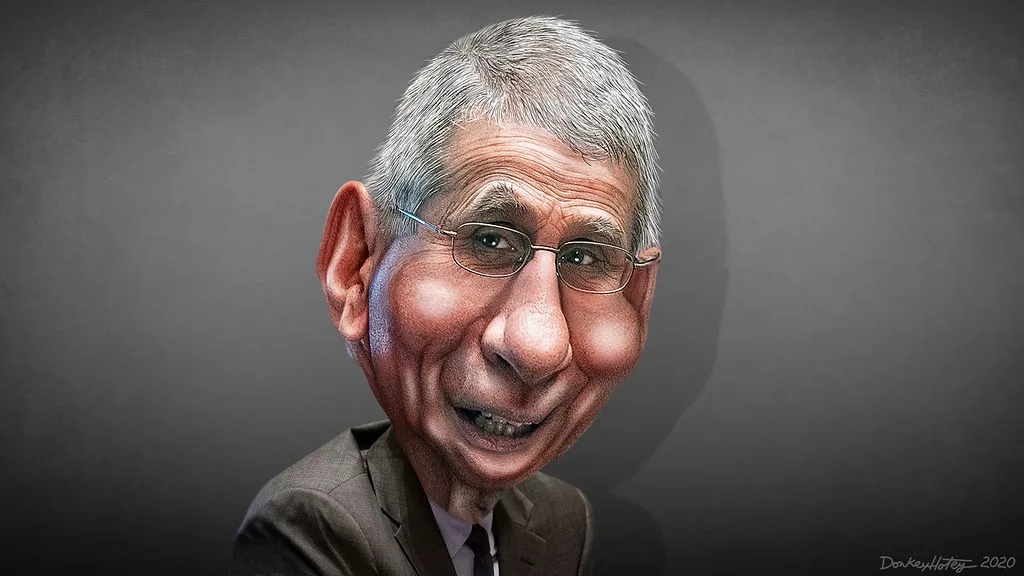
Photo: DonkeyHotey / BY via Openverse