While the biggest houses in fashion were busy staging their Paris spectacles this week, Zara quietly pulled off one of the more disruptive moves the industry has seen in years: putting a genuine couture legend’s name on a collection you can buy online for the price of a weekend outfit. John Galliano’s debut collection for the fast-fashion giant launched October 1, and the significance here isn’t just the clothes, it’s what it means for a designer of his pedigree to be designing for a brand built on volume rather than exclusivity.
A Couturier Returns, Just Not Where Anyone Expected
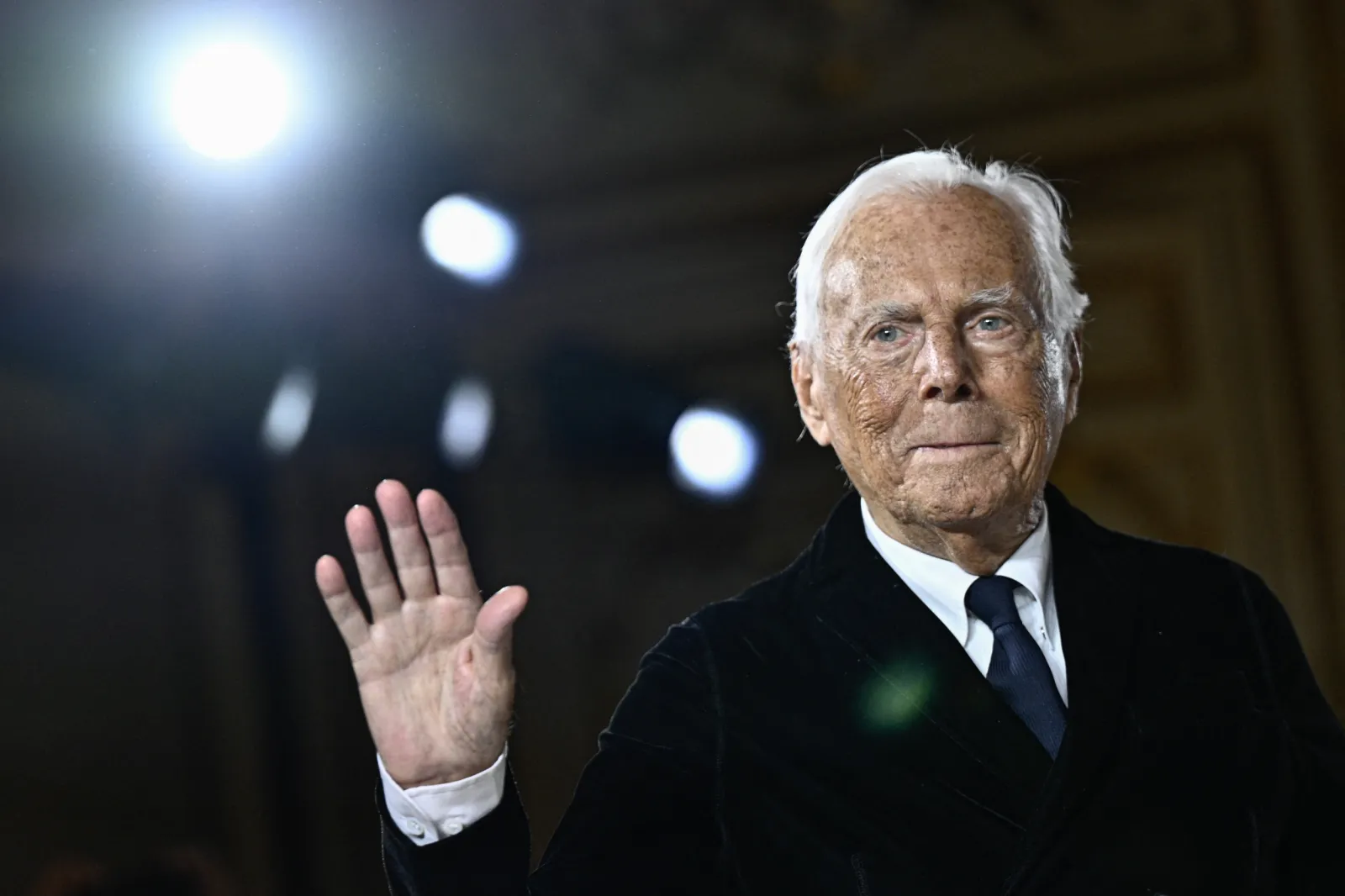
Galliano is one of the most consequential designers of the past three decades, with a resume that includes stints as creative director at Givenchy in the mid-1990s, more than a decade shaping Dior’s identity from 1996 to 2011, and a widely praised reinvention of Maison Margiela between 2014 and 2024. His name carries weight in a way very few working designers’ do, the kind of weight that typically gets deployed at couture houses charging thousands of dollars for a single garment, not at a retailer with stores in shopping malls around the world.
That’s exactly what makes this partnership notable. Inditex, Zara’s parent company, announced the collaboration back in March, with Galliano signed on to design seasonal collections for at least two years. The company’s non-executive chair, Marta Ortega, has reportedly long admired Galliano above other designers, and getting him to put his name on a mass-market label represents a genuine coup, the kind of signing that would have seemed implausible even five years ago, when Galliano was still deep into his acclaimed run reshaping Margiela’s identity.
What the Collection Actually Is
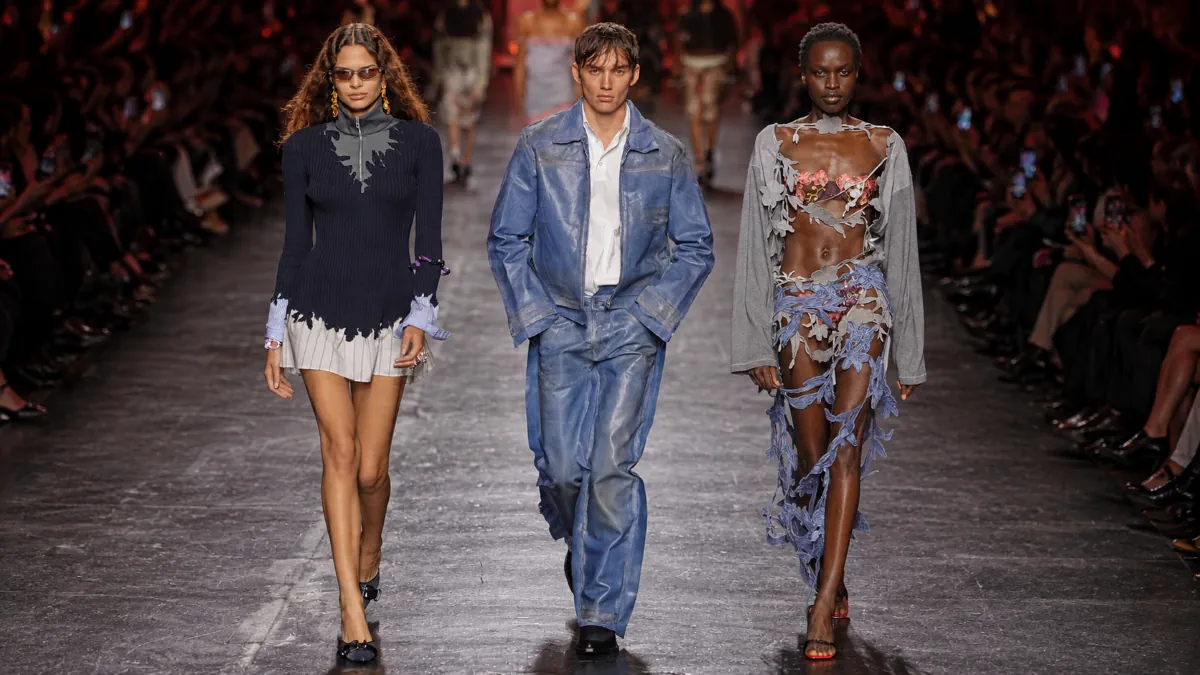
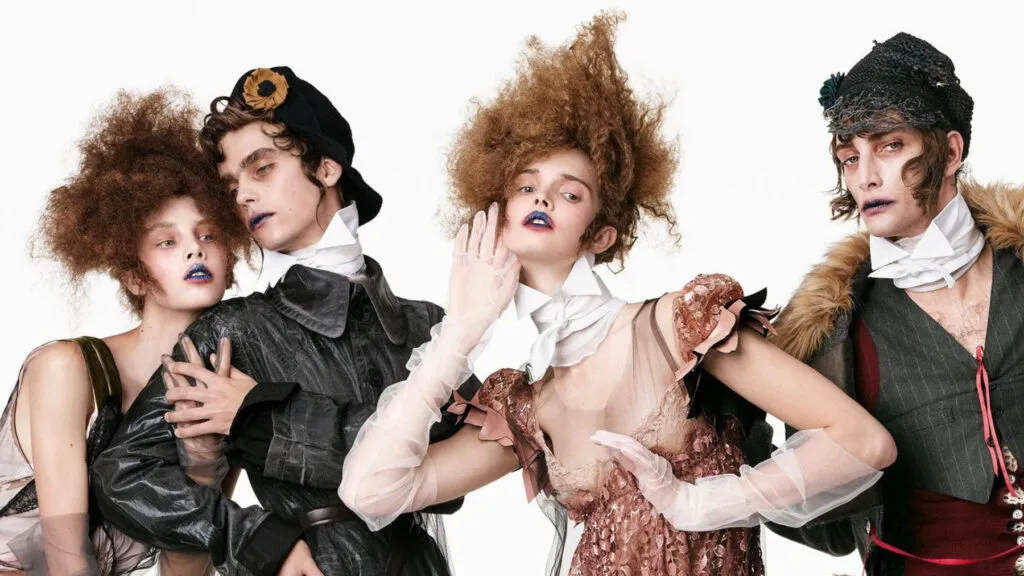
The debut collection, titled Vol. 1, draws on Zara’s own archives, reworked through Galliano’s design sensibility, pitched as something “created by the couturier” but “made for the present.” Pricing and the exact scope of pieces haven’t been fully disclosed, but the framing matters: this isn’t Galliano simply slapping his name on existing Zara product. It’s being positioned as a genuine design collaboration, with Galliano’s creative fingerprints shaping pieces built around Zara’s historical catalog rather than an entirely new, disconnected line.
The Launch Was Built Like a Luxury Drop, Not a Retail Release
Zara rolled out the collection with a level of calculated mystery usually reserved for luxury houses protecting a surprise runway reveal, not a retailer announcing a new product line. The collection went live October 1 at 10 a.m. Central European Time, exclusively through Zara’s website and a select handful of physical stores, a scarcity-driven approach that stands in sharp contrast to how Zara normally operates, with new stock hitting every store simultaneously and refreshing on a near-weekly cycle.
That shift in strategy is deliberate. Treating a collection launch like an event, complete with a specific drop time and a deliberately limited rollout, borrows directly from the luxury playbook Galliano spent his career inside. It signals that Inditex isn’t just buying his name for marketing purposes, it’s trying to borrow the entire cultural mechanism that makes a designer collaboration feel significant rather than routine.
The Timing Was No Accident Either
Zara didn’t just pick October 1 at random. The launch landed squarely in the middle of Paris Fashion Week, two days after Jonathan Anderson’s debut at Dior and running alongside major presentations from Chloe and Balenciaga. Counter-programming directly against the industry’s biggest week of the season is a bold choice for a company that isn’t technically part of the luxury fashion calendar at all, but it guaranteed Galliano’s name, and by extension Zara’s, stayed in the same news cycle as the houses actually showing on the runways that week. For a brand trying to signal it belongs in a more elevated conversation, that overlap in timing did a lot of the work on its own.
What This Means for Fashion’s Middle Ground
The gap between fast fashion and luxury design has been narrowing for years through collaborations, but most of those partnerships have involved designers earlier in their careers or houses looking for a quick cultural moment rather than a sustained relationship. Signing a designer of Galliano’s stature to a multi-year arrangement is a different kind of bet, one that suggests Inditex wants Zara associated with genuine design authorship on an ongoing basis, not just a single viral capsule collection that disappears after a news cycle.
It’s also a notable moment in Galliano’s own trajectory. After spending a decade rebuilding his reputation and critical standing at Maison Margiela following a well-documented fall from grace earlier in his career, choosing a mass-market retailer as his next chapter is either a savvy move toward reaching an audience couture simply can’t, or a risk to the rarefied status he spent years rebuilding. Either way, it’s a choice that will be watched closely by everyone else in the industry wondering whether this kind of designer-meets-retailer arrangement is a one-off experiment or the start of a broader trend.
What This Means
For Zara, this collaboration is a bet that star power and scarcity marketing can coexist with its core identity as an affordable, fast-moving retailer, and the mystery-driven rollout suggests the company is serious about treating this as more than a one-off publicity stunt. For Galliano, it’s a chance to put his design language in front of an audience many multiples the size of anyone who’s ever bought a piece from his couture collections, trading exclusivity for reach. Whether Vol. 1 sells out instantly or sits on shelves will say a lot about whether shoppers actually want couture sensibility at Zara prices, or whether the mystique only works when the price tag matches the pedigree.