Milan Fashion Week opened its September edition today with Prada setting the tone for a season that’s carrying more emotional weight than usual. Between a changing of the guard at Moschino and Glenn Martens taking his final bow at Diesel on the very same day, this isn’t shaping up to be a week anyone in the industry treats as routine.
Prada Takes the Opening Slot
Prada kicked off proceedings this morning, reclaiming its traditional spot as the house that sets the tone for the rest of the week. It’s a position of real influence in the fashion calendar — whatever mood Prada strikes tends to color how critics and buyers approach everything that follows over the next six days. With 61 shows on the official schedule spanning 54 physical presentations and seven digital ones, and 203 total engagements packed into the week, Milan is once again positioning itself as a marathon rather than a sprint.
A Farewell and a Beginning, Same Afternoon
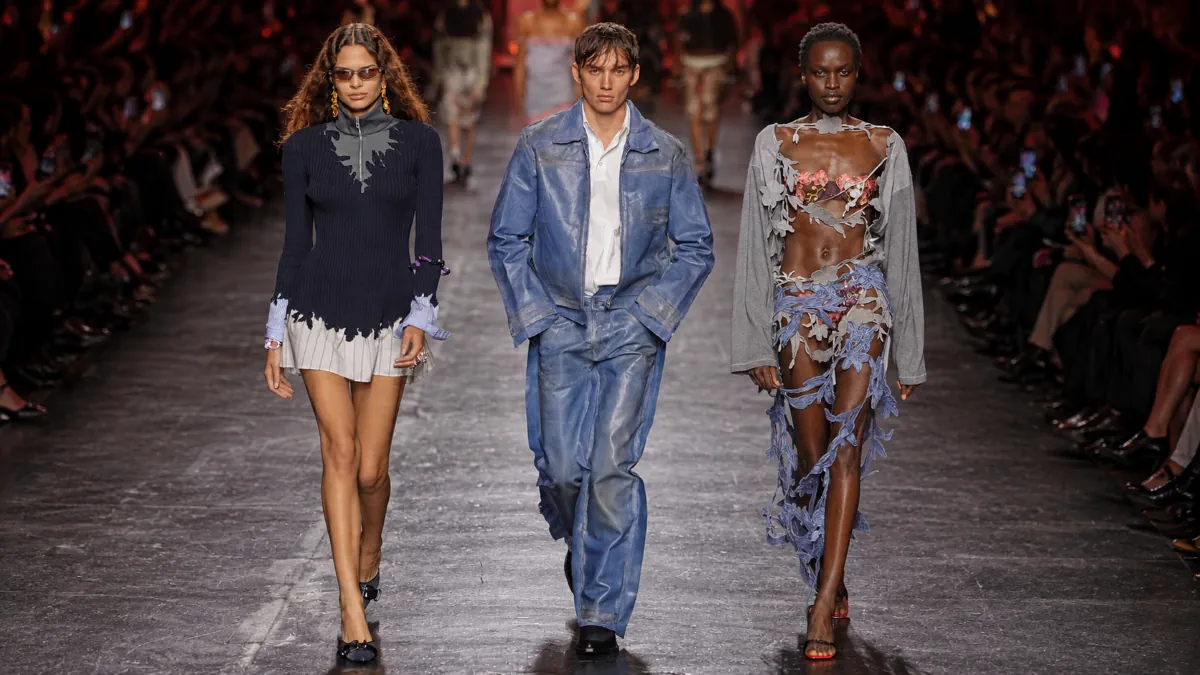
The most emotionally loaded moment of opening day comes this afternoon at 4pm, when Diesel takes the runway with Glenn Martens presenting his final collection for the brand. Martens spent six years at Diesel, and in that time he took a label that had drifted into irrelevance and turned it back into one of the most talked-about names in Italian fashion, blending denim heritage with a willingness to be genuinely strange and provocative on the runway. He’s not leaving the industry — Martens remains in place at Maison Margiela, where he’s also creative director — but this Diesel show marks the true end of an era that redefined what the brand could be.
It’s a lot to ask one runway show to carry: closing out a genuinely transformative six-year run while the rest of the fashion world is simultaneously watching to see what comes next for a brand that’s about to lose the person most responsible for its recent relevance.
Moschino Hands the Keys to a New Generation
A few days from now, on September 25, Moschino debuts its own new era with Loris Messina and Simone Rizzo taking over creative direction as a duo. The pair previously ran Sunnei, a label known for a playful, slightly subversive sensibility that made them a logical, if still surprising, choice to inherit Moschino’s famously irreverent design language. Moschino has always operated as fashion’s court jester, unafraid of camp and visual punchlines other houses wouldn’t touch, and handing that identity to two designers rather than one is itself a notable structural choice for the brand going forward.
Why a Duo, and Why Now
Creative director pairings aren’t unheard of in fashion, but they’re still relatively rare for houses with as strong an established identity as Moschino’s. Messina and Rizzo will need to prove quickly that two creative voices can move as one without diluting the brand’s sense of humor, which has always been its most distinctive asset and also its easiest thing to get wrong in the wrong hands.
A Week Also Marked by Loss and Legacy
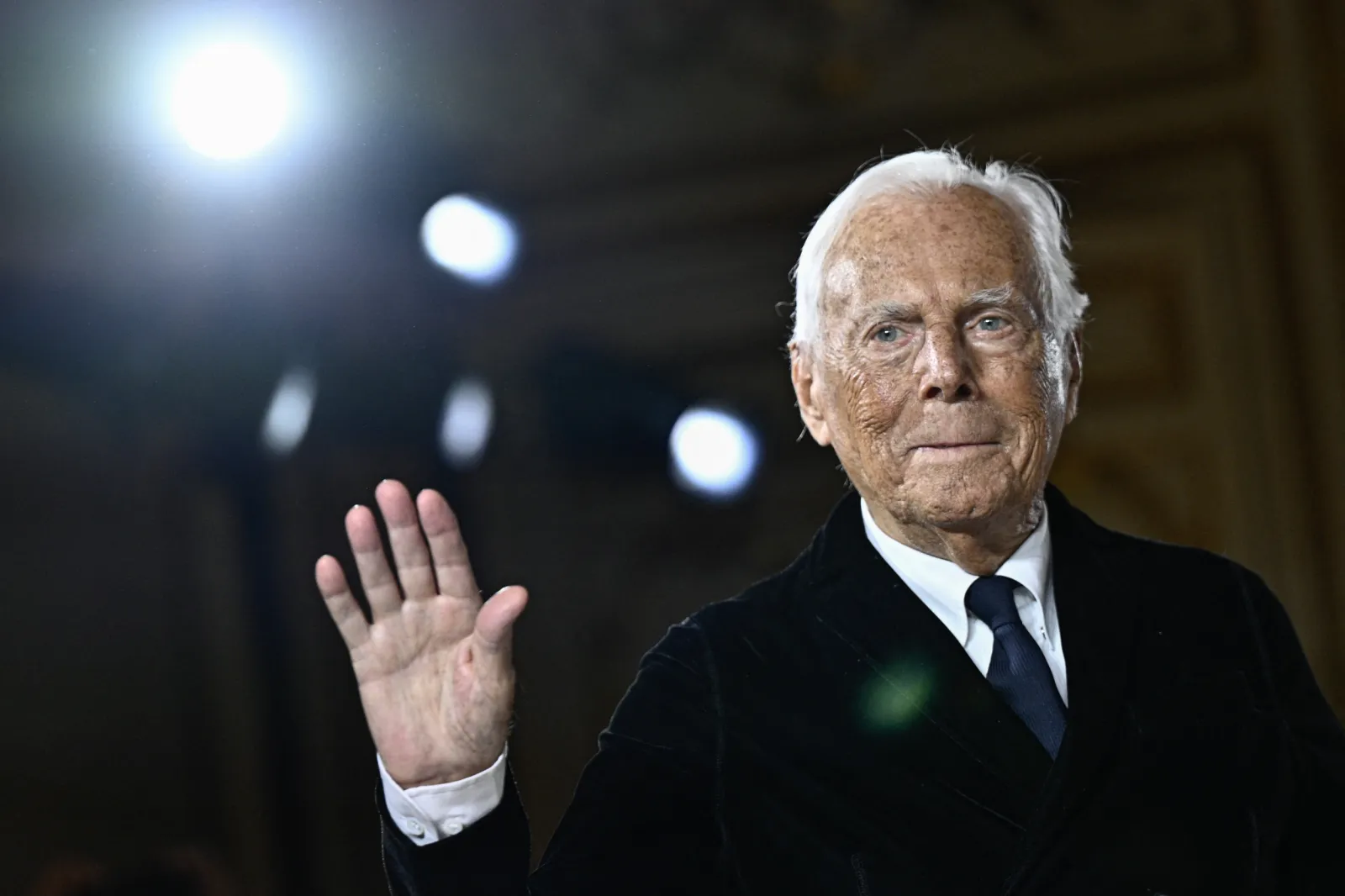
This Milan Fashion Week carries additional weight because it’s the first full September season since Giorgio Armani’s death. Giorgio Armani himself, the brand, closes out the week on September 27, and expect that show to function as much as a tribute as a commercial presentation. Earlier this month, the Armani business named Dario Vitale as the new creative director specifically for its Emporio Armani and accessories lines, a separate appointment from the mainline house but one that signals the broader organization is actively working through succession questions across its portfolio less than a year after losing its founder.
Fresh Faces on the Official Calendar
It’s not all transition and farewell, though. This season also marks debuts for Portuguese brands Marques’Almeida and Miguel Vieira on the official Women’s Collections calendar, alongside several other emerging designers getting real runway slots in a city that doesn’t hand those out casually. Milan’s schedule has historically leaned conservative compared to Paris or London when it comes to platforming newer names, so any expansion in that direction is worth watching, even if the established houses will inevitably dominate the week’s headlines.
The Established Names Still Carrying the Week
Beyond the succession stories, the week’s spine is still built on the houses that have anchored Milan for decades: Fendi, Jil Sander, Gucci, and Bottega Veneta all have major presentations on the calendar, each carrying their own subplot about where the brand’s design direction is heading this season. Gucci and Bottega Veneta in particular remain under close industry scrutiny as two of the highest-profile houses currently navigating their own creative repositioning, and buyers will be watching both collections as closely for commercial signals as for pure design statements.
What Buyers and Editors Are Actually Watching For
With so much transition happening simultaneously across multiple major houses, this week functions almost like a referendum on how the industry handles succession. Martens leaves Diesel having proven a genuine creative and commercial turnaround is possible even at a brand many had written off. Whether Messina and Rizzo can do something similar at Moschino, and whether Vitale can find the right register for Emporio Armani in the shadow of its founder’s recent death, are both questions this week starts to answer, even if the real verdict won’t be clear until the collections actually hit stores.
What This Means
Milan’s September shows always matter commercially, setting tone and trend direction heading into the crucial fall retail season. But this particular edition is doing double duty as a genuine inflection point for Italian fashion’s leadership, with Glenn Martens’ departure from Diesel, a new creative pairing taking over at Moschino, and the Armani organization publicly working through its first full season of succession planning since losing its founder. However the actual clothes are received critically, the story of this Milan Fashion Week is really about who’s stepping away, who’s stepping up, and whether Italian fashion’s biggest houses can manage that handoff without losing whatever made them distinctive in the first place.