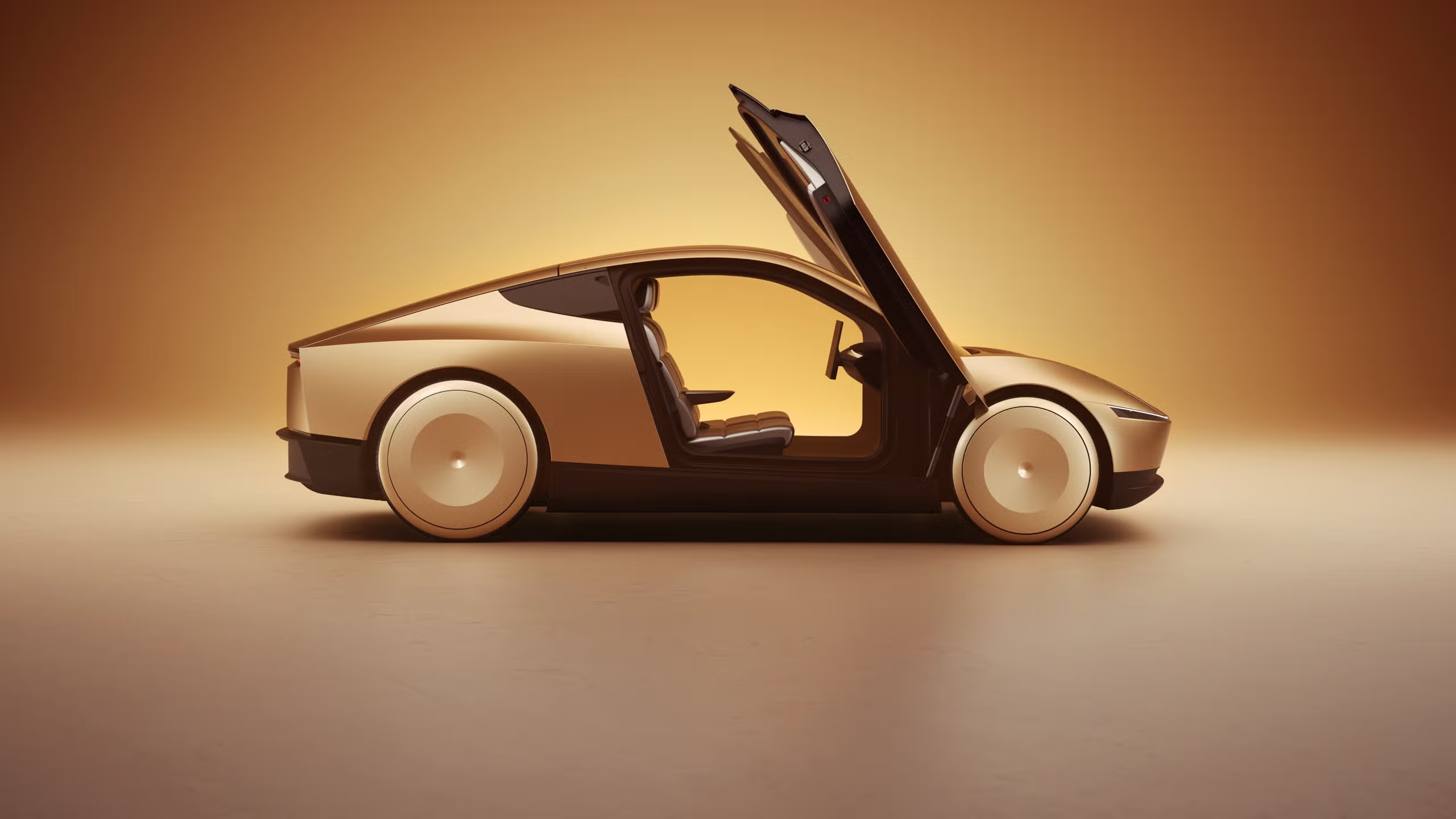
A month into letting paying customers ride in driverless Cybercabs, Tesla has a fleet smaller than some mid-size airport shuttle operations and a federal safety investigation that’s already moved past the preliminary stage. That’s not the “very, very widespread” rollout Elon Musk promised. It’s a company learning, in real time and in public, how much harder robotaxis are than keynote slides make them look.
The Numbers Behind the Rocky Launch
Tesla deployed just 45 Cybercabs in Austin when the driverless service opened to the public in September, backed by roughly 375 converted Model Y vehicles still running with safety monitors in some configurations. By early October, that Cybercab count had grown to 169. Compare that to Waymo, which has more than 4,000 vehicles on the road, operates in fifteen U.S. markets, and has logged over 270 million fully driverless miles. In Texas alone, Waymo has 1,154 approved autonomous vehicles and delivers more than 500,000 paid rides a week. Tesla isn’t just behind. It’s playing a different game entirely, one still measured in pilot-program terms while its biggest rival operates at genuine scale.
Why the Gap Matters More Than the Headlines Suggest
Scale isn’t just a vanity metric in this business. Every mile driven is training data, every edge case encountered is a lesson baked into the next software update, and every market entered is a regulatory relationship that has to be built from scratch. Waymo’s multi-year head start compounds in ways that are hard to erase quickly, which is part of why Tesla’s expansion timeline keeps slipping against its own public promises.
The Safety Numbers Regulators Are Watching
The National Highway Traffic Safety Administration has escalated its review of roughly 3.2 million Tesla vehicles to a full engineering analysis, a more serious phase than the preliminary evaluations that preceded it. The investigation centers on nine documented crashes in which Full Self-Driving reportedly failed to detect pedestrians under low-visibility conditions. One case that’s drawn particular scrutiny involved a Model Y in Arizona that struck and killed a 71-year-old woman after camera glare apparently prevented the system from registering a pedestrian in its path.
Tesla’s own reporting paints a volume picture that’s hard to ignore: the company submitted 207 crash reports to NHTSA in May alone, part of 3,763 total reports filed since 2019. That figure represents roughly 85 percent of all advanced driver-assistance crash reports filed industry-wide. Separately, Tesla’s robotaxis in Austin have been involved in 14 crashes since the service launched there in 2025, and reporting has suggested a crash rate roughly four times higher than human drivers on comparable routes.
The Sensor Decision at the Center of It All
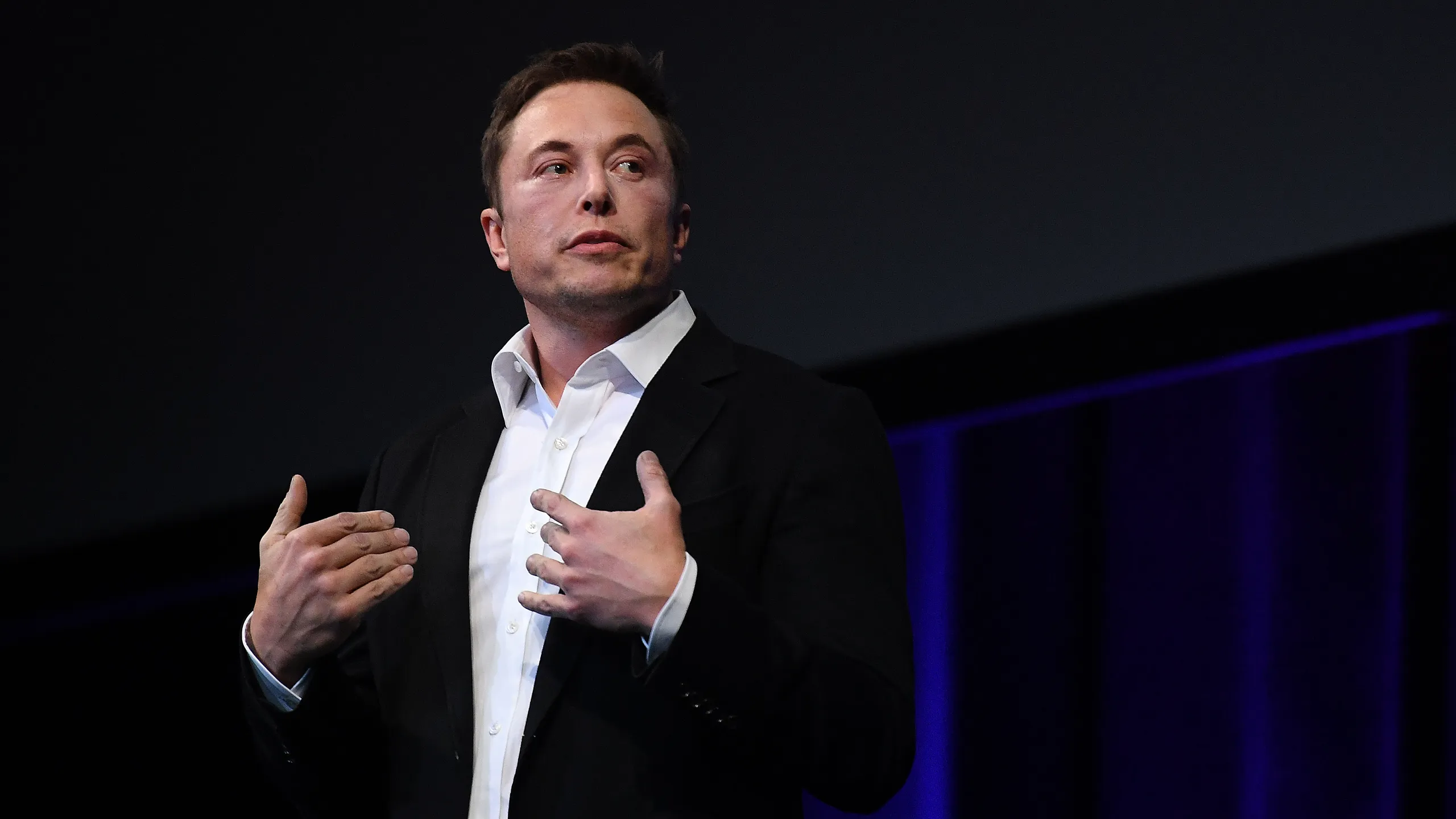
Much of this traces back to a choice Tesla made years ago and has stuck with through sustained criticism: a vision-only approach, with radar stripped out of the vehicles back in 2021 and lidar never included at all. Musk has defended the decision publicly, explaining that the hardest unsolved problem for camera-only detection is spotting small, low-contrast objects in the dark, memorably describing the challenge as identifying “grey kittens on grey tarmac” at night. It’s a vivid image, and it’s also an admission. Lidar systems, which fire laser pulses to build a 3D map of the environment regardless of ambient light or color contrast, don’t have that particular blind spot. Waymo’s vehicles carry 13 cameras, four lidar units, and six radar sensors each. Tesla’s carry cameras and nothing else.
That sensor gap is the direct reason Tesla’s robotaxis still can’t run around the clock. The service window in Austin recently stretched from 10 p.m. to 11 p.m., an improvement, but still short of the midnight cutoff Tesla originally targeted when the pilot launched back in June 2025. Internal Tesla documents reportedly acknowledged at one point that “vision with high-res radar would be better than pure vision,” a note that sits uneasily next to the company’s public insistence that cameras alone are sufficient.
The Business Pressure Underneath the Technical Story
None of this is happening in a vacuum of comfortable profitability. Tesla’s second-quarter operating profit fell 57 percent year over year even as revenue grew 26 percent, with operating margins compressing to a thin 1.4 percent. Research and development spending jumped 49 percent in the same period as the core automotive business softened. Robotaxis aren’t a side project for Tesla anymore. They’re increasingly the story investors are being asked to believe in while the car business itself cools off, which raises the stakes on every crash report and every delayed expansion milestone.
Musk told investors at Davos that robotaxis would be “very, very widespread” across the U.S. within the year. That target has quietly become one more deadline Tesla didn’t hit. The company also still lacks California permits for fully driverless operation, closing off access to one of the largest and most lucrative ride-hailing markets in the country while Waymo continues expanding, including newly announced plans to launch in London, Tokyo, and Munich.
What This Means
Tesla’s Cybercab isn’t failing, exactly, but it’s behind schedule, behind in scale, and behind on the sensor debate that increasingly looks settled in Waymo’s favor. The company built its entire autonomy bet on a cheaper, camera-only approach that was supposed to scale faster precisely because it skipped expensive lidar hardware. Instead, the first month of real-world deployment has produced a smaller fleet than planned, an escalated federal investigation, and a public admission from Musk himself about exactly where the cameras-only approach falls short.
The next few months will say more than the last one did. Tesla needs to show it can grow the Cybercab fleet quickly without adding to NHTSA’s crash tally, and it needs an answer for nighttime operation that doesn’t involve waiting for cameras to somehow get better at seeing in the dark. Waymo, meanwhile, keeps adding cities and racking up driverless miles at a pace that makes Tesla’s current numbers look like a beta test. Betting against Musk’s timelines has been a losing trade before. This time, the gap between the promise and the fleet on the ground is unusually easy to measure.