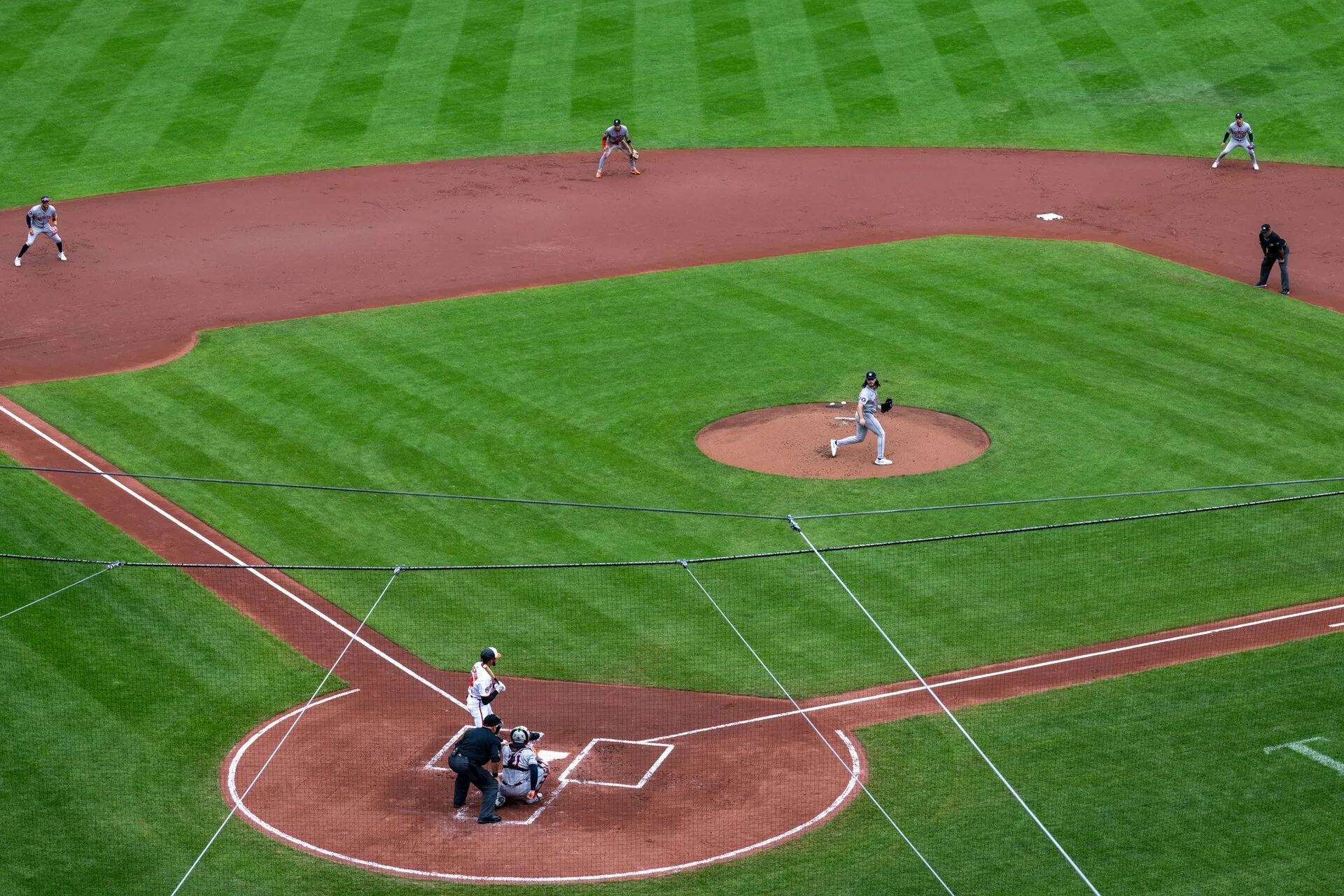
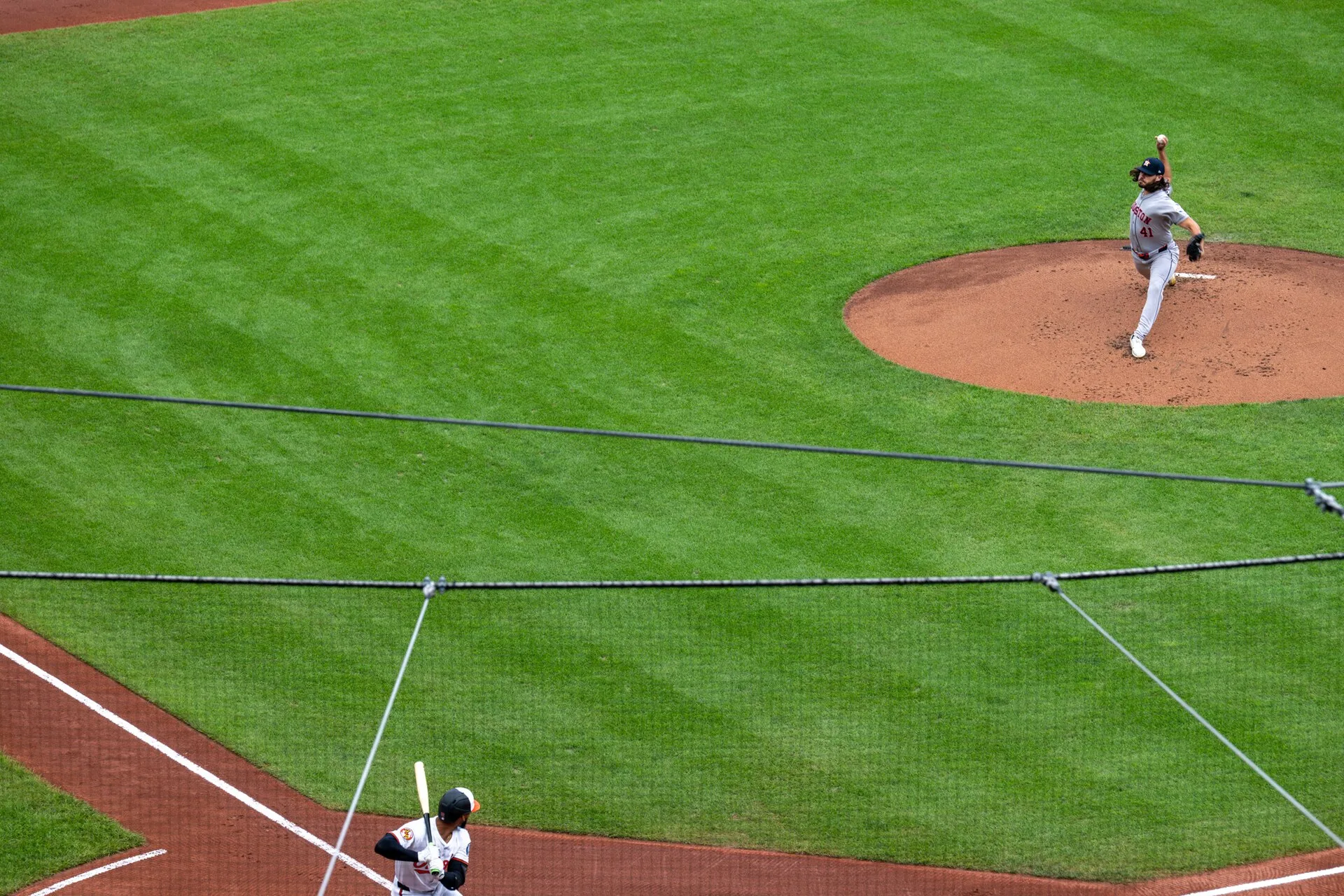
Houston Astros rookie Spencer Arrighetti saw his night — and possibly his immediate future — cut short on Friday, leaving his start against the Chicago White Sox in the second inning with an apparent injury. For a Houston club already walking a thin line with its pitching depth, the sight of another young arm walking off the mound early is the last thing it needed.
The Astros have bet heavily on internal development to stabilize their rotation. When a pitcher like Spencer Arrighetti can’t get through two innings, that gamble suddenly looks a lot riskier.
What we know about Spencer Arrighetti’s injury-shortened start
The details around Arrighetti’s exit are still thin, but the basic facts are clear: he took the ball in Chicago on Friday night and was done by the second inning. The broadcast listed it as an apparent injury, and the Astros turned to their bullpen much earlier than planned.
There was no immediate word on the exact nature or severity of the issue, and the team had not announced whether he would undergo further evaluation. Until that happens, all anyone in Houston can do is wait — and worry.
Any time a starting pitcher leaves a game that quickly, it sends a jolt through an organization. Even if the injury proves minor, it forces a reset: the bullpen workload spikes, the rotation turns wobbly for days, and the margin for error in a long season shrinks just a little more.
Why a Spencer Arrighetti injury is a big deal for the Astros
The focus keyword for Houston right now is simple: Spencer Arrighetti injury. His health isn’t just a one-night storyline. It’s directly tied to how the Astros manage the next stretch of the season.
Every team can talk about “next man up,” but the reality is that Houston’s rotation has been threading a needle for a while. A young starter like Arrighetti isn’t just filling innings; he’s a cost-controlled, developmental piece the front office is counting on to be part of the medium-term core.
When a pitcher at that stage of his career leaves a start after barely an inning of work, it raises immediate questions:
- Is this a minor physical issue or something that lingers?
- Does he need to miss his next start, or multiple turns through the rotation?
- How many bullpen arms will be burned just to get through this game?
None of those questions have answers yet, but the implications are obvious. The Astros don’t just need Spencer Arrighetti back; they need him to be healthy enough to keep progressing, not constantly resetting from one physical setback after another.
Early exits and the strain on a modern pitching staff
On a granular level, one start cut short by an apparent injury sounds small. But zoom out to the full 162-game grind, and it becomes a stress test of the entire pitching operation.
When a starter can only go an inning or two, everyone else has to stretch:
- Long relievers suddenly become bulk arms, often throwing 40–60 pitches.
- High-leverage relievers may be pushed into unfamiliar roles or earlier innings.
- Tomorrow’s bullpen plan gets thrown in the shredder before the current game is even over.
That’s the hidden cost of a Spencer Arrighetti injury moment like this. Even if he avoids the injured list, the Astros may be forced into a chain reaction of roster moves, optioning fresh arms up from the minors, juggling roles, and hoping the bullpen doesn’t run on fumes.
For a front office, these are the nights that make you rethink whether the current staff construction can hold up through the dog days of summer.
Spencer Arrighetti’s development hits a speed bump
From a player-development standpoint, an abbreviated outing like Friday’s is brutal. Young pitchers need repetition: facing batters multiple times, working through trouble, learning how to survive without their best stuff. Leaving in the second inning with an apparent injury robs Arrighetti of all of that.
Instead of breaking down how his pitches played or where his command went, the conversation now shifts to medical updates, rehab timelines, and whether anything needs to change in his routine.
For a rookie trying to lock down a permanent rotation spot, that’s a tough pivot. It delays answers the team needs about his long-term role and slows his chance to prove he can be a consistent, durable starter at the big-league level.
Astros’ risk calculus: health vs. contention
There’s another layer to this that goes beyond a single game in Chicago. Every time a pitcher leaves early, it forces an uncomfortable question for a contending team: how hard do you push now versus protecting arms for the future?
If the Astros are in the thick of a playoff chase, the temptation is always to patch things up on the fly, lean even harder on the healthy starters, and stretch relievers a little further than they should go. That kind of short-term thinking is how bullpens break down in September and how promising arms lose a season to overuse.
Spencer Arrighetti’s early exit is a reminder that the organization’s long-term health depends on more than one arm. The front office and coaching staff have to walk a line between competing today and making sure pitchers are not constantly teetering on the edge of injury tomorrow.
How the Spencer Arrighetti injury could reshape Houston’s plans
The timing of this apparent injury matters. Any uncertainty around a starter’s health can change how aggressively a team looks at external options, whether that means scouring waivers, calling up additional minor-league depth, or considering a move to bring in innings from outside the organization.
If Arrighetti misses time, the Astros will have to decide whether to lean more heavily on in-house depth or accept the cost — in prospects or dollars — of adding veteran pitching. Neither path is ideal, but both are better than pretending the rotation can run on autopilot.
Beyond the roster chessboard, there’s also the clubhouse reality. Teammates notice when a rookie leaves hurt. Veteran pitchers who have been through their own rehab cycles understand how fragile a season can be, and that awareness often seeps into how the staff paces itself for the rest of the year.
What to watch for next
Until the Astros provide more detail, most of the analysis around this Spencer Arrighetti injury remains framed by one word: apparent. That qualifier will stay in place until the team offers specifics on what he felt, what the initial exams show, and whether additional imaging is scheduled.
Here’s what will matter in the short term:
- Whether the team labels the issue as day-to-day or moves quickly to place him on the injured list.
- How the Astros shuffle their rotation for the upcoming series.
- Which relievers are forced into extended work because of his early exit.
All of that feeds into a bigger picture: can Houston keep its season on track without overtaxing the very pitchers it needs most down the stretch?
What This Means
For now, Spencer Arrighetti’s early departure in Chicago is just that — a jarring moment, a short start, and a rotation-sized question mark. But in a league where pitching health often decides who’s still standing in October, an apparent injury in the second inning of a Friday night game can end up mattering far more than the final score.
If the news on Arrighetti turns out to be encouraging, the Astros will chalk this up as a scare and move on. If it isn’t, Friday’s game against the White Sox may linger as a turning point, the night their already thin margin for error on the mound got even thinner.
Photo: MDGovpics / CC BY 4.0 via Wikimedia Commons