OpenAI Says It Will Keep Building US Data Centers After the Midterms
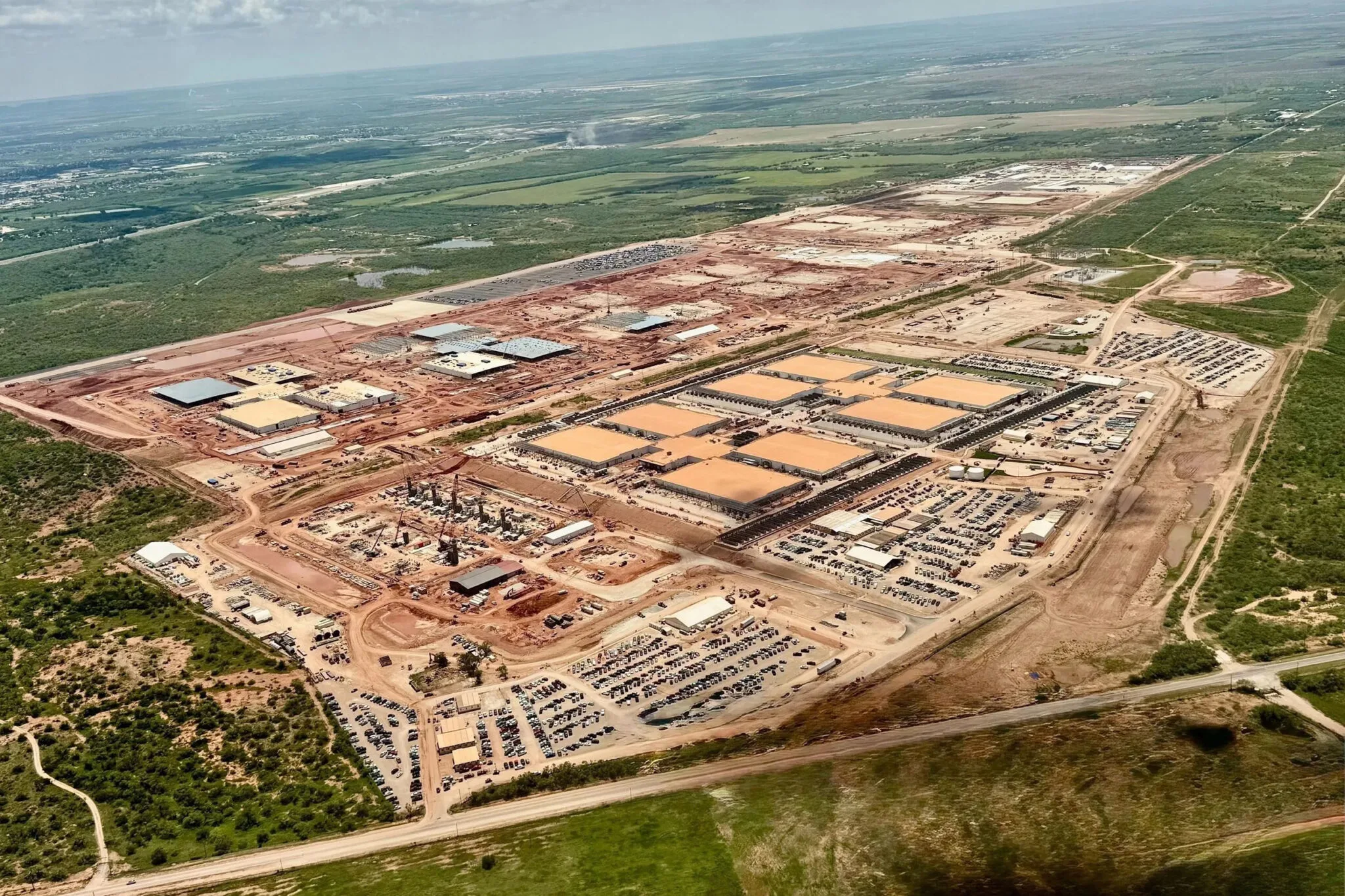
OpenAI says it will keep expanding its US data center footprint after the midterm elections. Chief Financial Officer Sarah Friar told CNBC on Friday that the company would continue investing to meet customer demand and working with communities where it needs computing capacity. The interview followed a set of commitments from OpenAI about how it plans to discuss future sites with local officials and residents.
For people living near a potential development, the practical question is what information will reach them before decisions are made. A proposal can have implications for roads, electricity infrastructure, and local budgets long before a server is switched on. OpenAI is promising more visibility into that process. The value of the commitment will depend on the documents residents receive and what they can do with them.
Why the disclosure promise matters
OpenAI said it would stop using nondisclosure agreements with public officials in discussions or negotiations about future sites. It also said residents would be able to see construction plans and information about potential effects. Those promises matter at the stage when a project can still be reshaped. Details released after land use and utility decisions are settled give residents a much smaller opportunity to influence either one.
A city or county might need to consider how construction vehicles will reach a site, whether a road needs upgrades, and how a development fits existing zoning. Each question can involve a different agency or public meeting. A resident trying to follow the project needs a way to connect those separate proceedings. A single map can show where a project sits, but a construction schedule and a description of expected traffic are needed to understand what the map means for nearby households.
Disclosure also gives officials a chance to distinguish an early proposal from a binding commitment. A developer might describe a campus that grows in phases, with later construction contingent on power availability or demand. A useful public record would say which parts are planned immediately, which parts depend on future decisions, and which projections the local government used when considering the proposal.
Electricity is a separate decision
Getting permission to build and getting enough power to operate involve different parties. A local planning authority can decide whether a site is suitable for development, while an electricity provider must work out what the project would require from its network. In some cases the relevant records will sit in a utility proceeding, and the people following a zoning hearing may need to look elsewhere to see how proposed costs are divided.
The scale of a load also matters at different times of day. An annual estimate can describe overall energy use, while a utility planning for peak demand needs to know how much electricity the facility would draw when other users need it most. A phased load forecast gives planners a way to compare the company’s timetable with the timetable for new lines or substations. If either schedule slips, it helps explain which parts of the project can move ahead.
OpenAI has separately announced a program to work with utilities and regulators on reducing demand at future campuses during periods of grid strain. A local agreement could make that idea concrete by specifying when the utility can request a reduction, how quickly a campus has to respond, and how the reduction will be measured. Those details would let people distinguish a facility’s technical ability to cut its load from an obligation to do so under agreed conditions.
How a community can measure the promises
Residents and officials can compare the information released at different points in a project’s life. Before approval, they can look for a site plan, estimates of construction impacts and electricity demand, and a clear explanation of which assumptions are still provisional. During construction, published milestones and updated forecasts would make it easier to see whether earlier estimates remain plausible. Once a site is operating, actual measurements could show how it compares with the proposal.
Claims about economic benefits also become clearer when construction and operating jobs are reported separately. Building a campus may require a large workforce for a limited period, while ongoing operations can require a smaller group with different skills. Local businesses and training providers can respond more effectively when they know the occupations, hiring windows, and qualifications involved. A public timetable gives them something more useful than a single figure covering the life of the project.
What This Means
Friar’s comments leave the expansion plans in place. OpenAI’s community commitments now give local officials a basis for asking how a specific development will work, who will pay for supporting infrastructure, and when details will be made public. The clearest evidence will be visible at individual sites, in records that residents can read before a vote and revisit once construction or operations begin.