New HIV treatment options are arriving at a moment when U.S. funding for HIV/AIDS work is being delayed or cut, and that collision is shaping everything about the fight against the virus in 2026.
This week, the 26th International AIDS conference opens with a split-screen reality: researchers are talking about more convenient therapies and new ways to prevent transmission, while clinics and global programs that deliver those breakthroughs face shrinking budgets and political headwinds.
The promise: fewer pills, more options
For people living with HIV, the science story right now is largely positive. Treatment has steadily moved from complex daily regimens to simpler, more forgiving options aimed at making the virus easier to manage for the long haul.
The biggest shift has been toward approaches that reduce how often people need to take medication. Instead of juggling multiple daily doses, newer treatment strategies are pushing toward long-acting options and streamlined combinations, aiming to keep viral loads suppressed with less effort and fewer reminders that your health depends on a pillbox.
At a conference that has traditionally served as a showcase for what’s next, researchers and clinicians are expected to focus heavily on therapies designed to improve adherence — because adherence is what turns proven science into real-world protection, both for the person taking the medication and for their partners.
Funding cuts collide with HIV treatment advances
The hopeful part of the story is that HIV treatment and prevention tools are more effective than ever. The harder part is that scaling those tools has always depended on money, political will, and global cooperation — all of which are wobbling just as the conference begins.
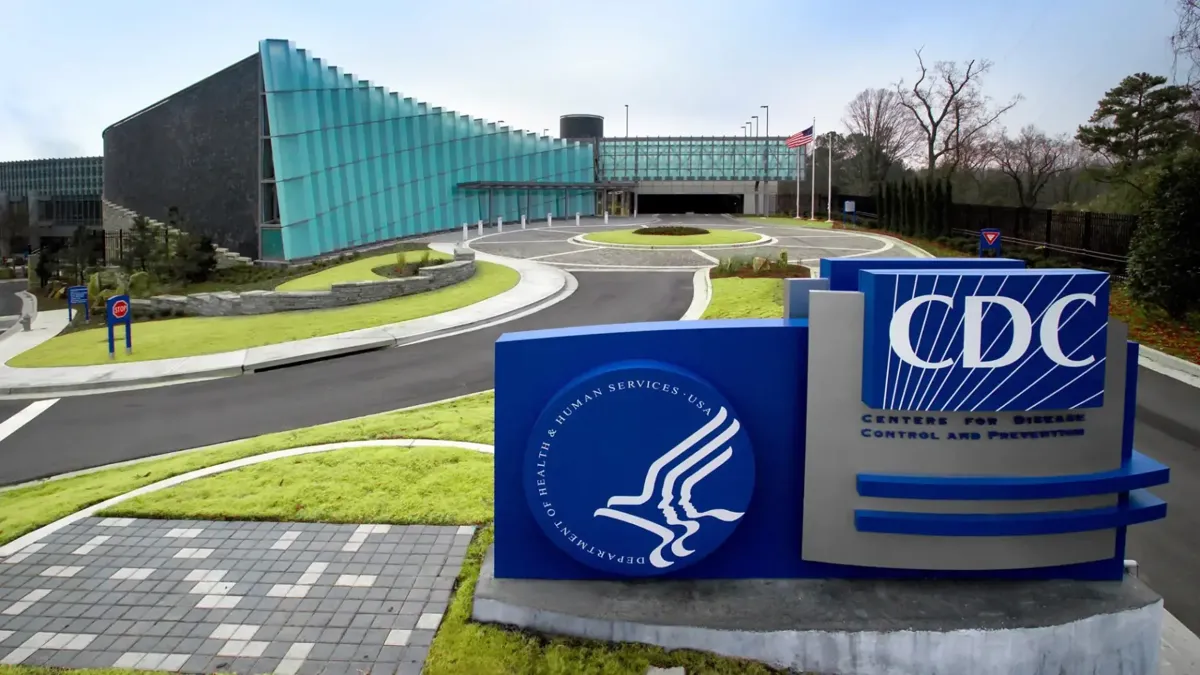
Delays and outright cuts to U.S. funding for HIV/AIDS work are rippling through programs that have, for years, been the backbone of care and prevention in many countries. That doesn’t just affect big-picture epidemiology; it changes what’s possible in exam rooms, community clinics, and mobile outreach vans day to day.
When funding slows, clinics tend to respond in predictable, painful ways: fewer testing campaigns, fewer staff, fewer opportunities to start people on treatment early, and less capacity to offer the latest regimens rather than older, less convenient ones. The result is a widening gap between what HIV science says we can do and what health systems can actually deliver.
Why new HIV treatment options matter now
The phrase “new HIV treatment options” can sound abstract, but for patients and public health workers, it translates into very practical advantages.
- More forgiving schedules: Regimens that require fewer doses or clinic visits give patients more room to live their lives around work, caregiving, and everything else competing for their attention.
- Better adherence: When treatment fits more easily into daily life, people are less likely to miss doses, which helps keep the virus suppressed and reduces transmission.
- Improved quality of life: Simplified treatment can reduce side effects and the emotional weight of managing a chronic infection.
All of that becomes even more important when budgets are tight. Health systems under financial pressure need tools that work well in the real world — therapies that remain effective even if life isn’t perfectly aligned with a medication schedule.
Global programs feel the squeeze
The 26th International AIDS conference is not just a scientific meeting; it’s a barometer of global commitment. This year, the tension between scientific optimism and financial retrenchment is impossible to ignore.
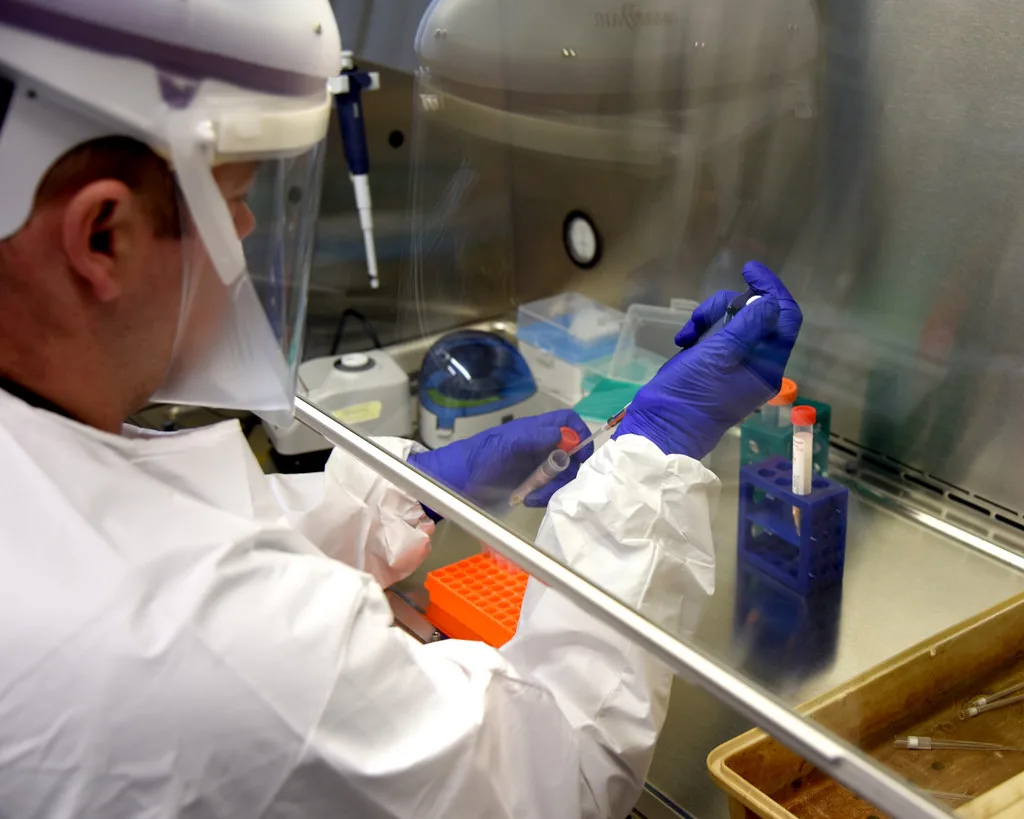
Programs built around U.S. funding have helped countries expand HIV testing, supply antiretroviral treatment, and support prevention efforts for groups at high risk. When those streams of support slow down or get caught up in political fights, the effect is immediate and deeply local. Clinics reconsider hiring. Outreach teams cut back on travel. Laboratories delay badly needed equipment upgrades.
Those decisions add up. The fewer people who get tested, the more individuals live with undiagnosed HIV. The more difficult it is to start and stay on treatment, the easier it is for transmission to rebound. The fear among many public health experts is straightforward: that financial cuts today could translate into new waves of infection in the years ahead, undoing hard-won gains.

What health workers are up against
On the ground, health workers are trying to thread an impossible needle: incorporating promising new HIV treatment options while bracing for — or already experiencing — reductions in support.
In practice, that can mean prioritizing who gets newer treatment approaches first, or delaying the rollout of updated protocols until supplies and training are secure. It can also mean relying more heavily on overworked staff to explain complex changes in care to patients who may have limited time, transportation, or trust in the system.
At the same time, the conference is a reminder that HIV is not just a medical issue. It’s about housing, stigma, criminalization, and access to basic health services. Budget cuts aimed at discrete line items often end up echoing across these broader systems, making it harder for people to show up for appointments, pick up medication, or return for lab checks that confirm their treatment is working.
Why the U.S. still matters in the HIV fight
For better or worse, U.S. funding has been a central pillar of the global HIV response for years. When that funding is delayed or cut, it doesn’t simply disappear from a spreadsheet; it disappears from real clinics, from community outreach campaigns, and from the buffer that kept many countries from experiencing the worst-case scenarios public health officials once feared.
This isn’t just about money, either. U.S. engagement has often set the tone for how urgently other governments and donors treat HIV. A signal that HIV work is less of a priority can ripple outward, giving cover to additional cuts or complacency elsewhere.
That’s what makes the timing of these new HIV treatment options so frustrating and so urgent. The science is moving in the right direction, but without the infrastructure to get treatments to the people who need them, breakthroughs stay in conference halls and journal articles instead of changing lives.
What This Means
The 26th International AIDS conference is opening on a knife’s edge. On one side are researchers excited about new HIV treatment options that could make living with the virus easier and reduce transmission further. On the other are delayed or shrinking U.S. funds that many countries still depend on to turn those options into reality.
The hope is that the promise of better treatment — fewer pills, more reliable viral suppression, more dignity in daily life — will sharpen the case for sustained support rather than justify pulling back. If anything, the arrival of more powerful tools makes this a terrible moment to walk away.
HIV has been pushed back before, but never without resources and focus. The science is ready. Whether the world, and especially the U.S., chooses to keep paying for progress will determine whether this chapter of the epidemic is remembered as a turning point forward or the start of a dangerous stall.
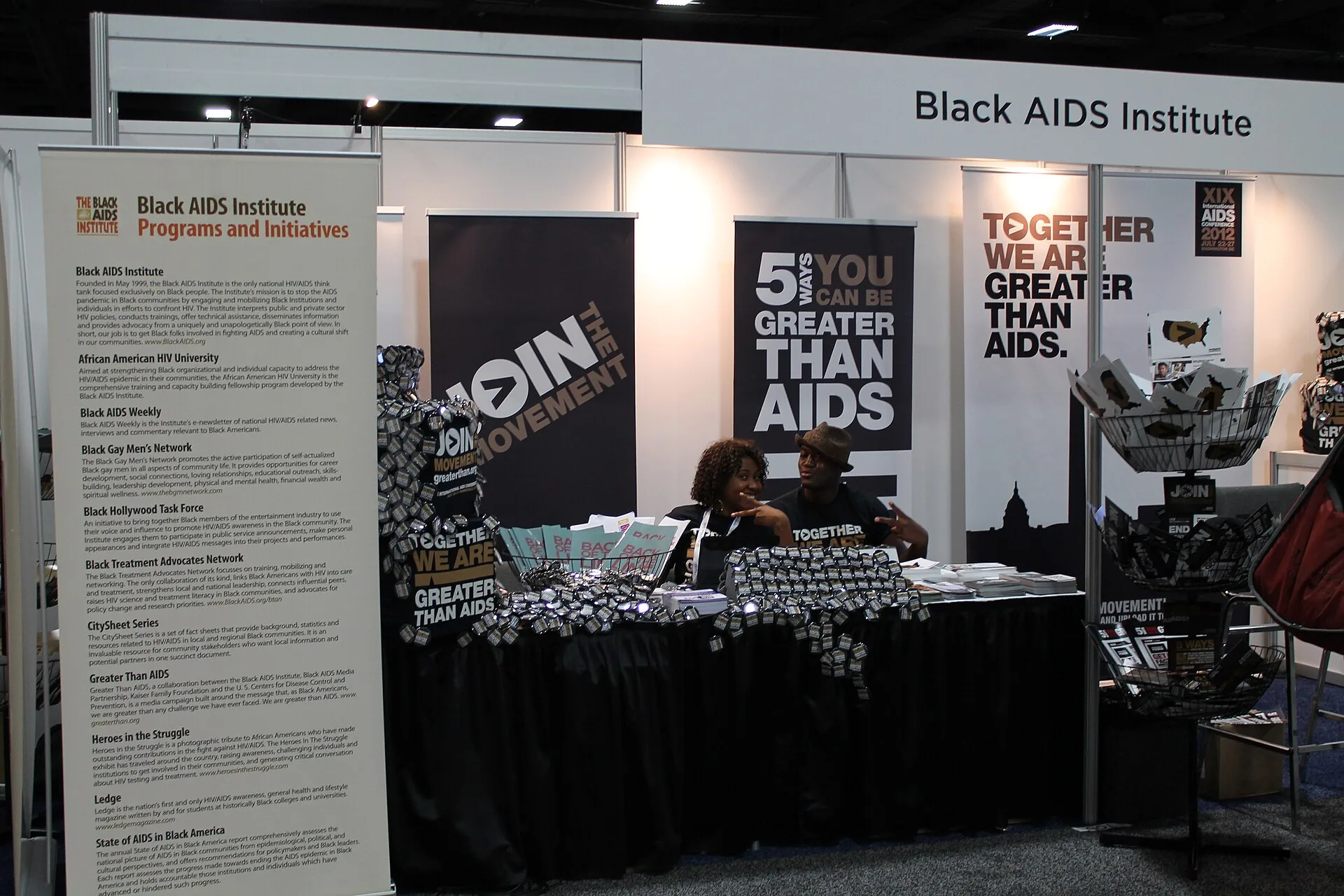
Photo: Bluerasberry / CC BY-SA 3.0 via Wikimedia Commons