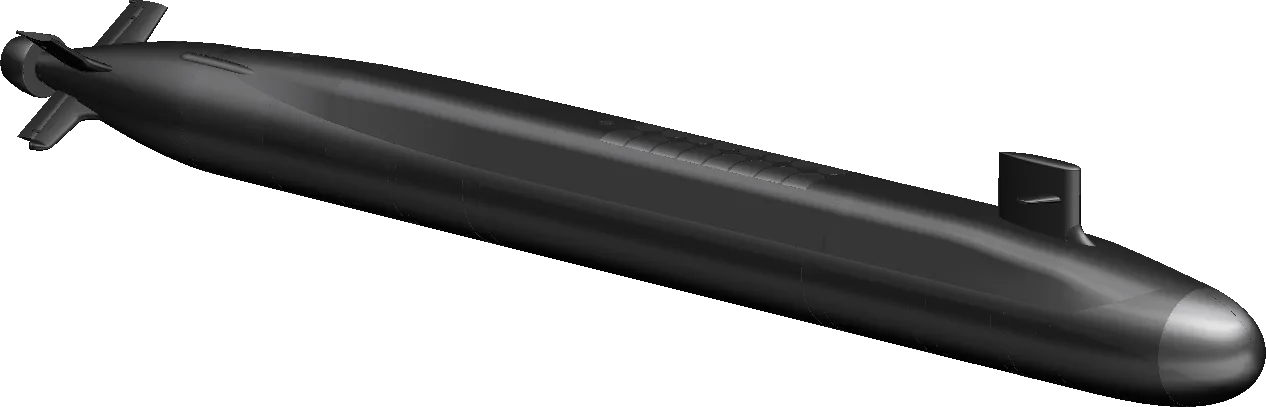
The U.S. Navy just put $76.6 billion on the table for Virginia-class and Columbia-class submarines — and that single decision will shape American power, industrial policy and nuclear deterrence for decades. The Columbia-class program, including the first boat, the District of Columbia, now about two-thirds complete, sits at the center of that bet.
Inside the Navy’s $76.6 Billion Submarine Surge
The new contracts channel roughly $76.6 billion to two shipbuilding heavyweights: General Dynamics Electric Boat and HII’s Newport News Shipbuilding. The money is aimed at two intertwined goals: keep Virginia-class attack submarines flowing to the fleet and push Columbia-class ballistic missile submarines over the finish line, while upgrading shipyards so they can actually deliver on time.
These aren’t routine orders. Submarines are already some of the most complex machines on earth, and the Columbia-class will form the undersea leg of the U.S. nuclear triad for years to come. The Navy has seven Columbia-class boats under contract, with the first expected to be delivered in the next few years.
Virginia-class submarines, meanwhile, remain the workhorse attack boats for the U.S. fleet. Shipbuilders have delivered 26 of them so far, and more are on the way under this funding surge.
Columbia-Class Submarines Take Center Stage
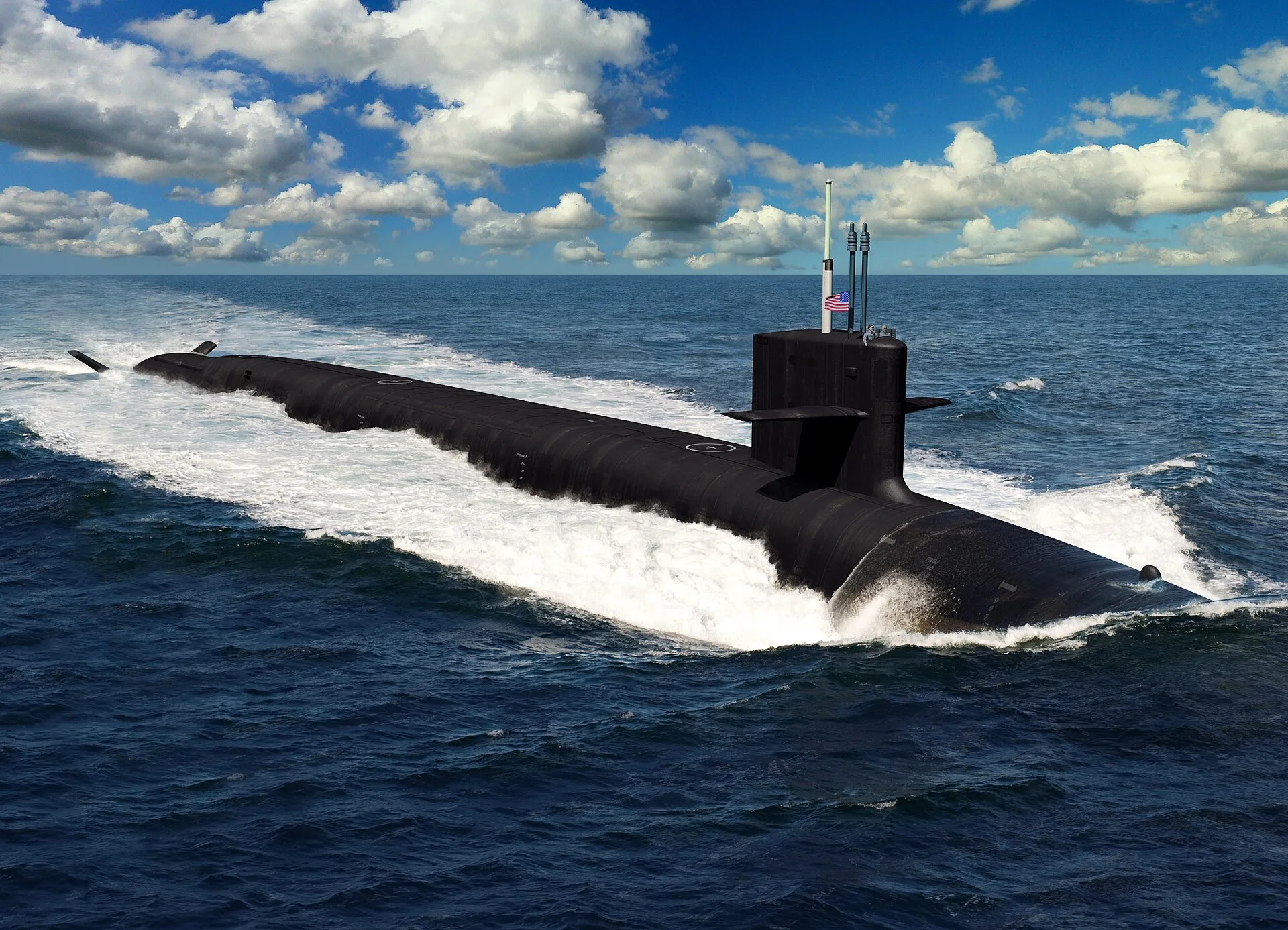
The Columbia-class submarine program is the quiet heart of this huge spending package. In February, the Navy reported that the first boat in the class, the District of Columbia, was 66% complete. Two more are following behind it: the future USS Wisconsin at 35% and the future USS Groton at 10%.
Those numbers matter because the Columbia-class isn’t just another procurement line item. These submarines are explicitly tied to the American nuclear arsenal, replacing the aging Ohio-class ballistic missile subs that currently carry a significant portion of U.S. nuclear weapons at sea.
The timeline is tight, and pressure is high. Getting the District of Columbia and its follow-on boats finished and into service on schedule is a core requirement for sustaining U.S. nuclear deterrence.
Virginia-Class Submarines and the AUKUS Ripple Effect
Virginia-class submarines are the other pillar of this funding wave. The U.S. has already taken delivery of 26 Virginias, and the new contracts are meant to keep that pipeline alive. These attack submarines are essential for conventional missions: intelligence gathering, hunting enemy ships and submarines, and supporting operations around the globe.
They’re also central to something bigger than U.S. fleet numbers: the AUKUS security pact between the U.S., the U.K. and Australia. Under that agreement, Virginia-class submarines are expected to play a role in helping Australia field its own nuclear-powered fleet. A stronger, more predictable production line in U.S. yards is a prerequisite for that to work.
So when the Navy pours tens of billions into Virginia-class construction and shipyard upgrades, it’s not just thinking about its own needs. It’s shoring up the credibility of a major Indo-Pacific security arrangement built around undersea power.
Shipyards Under Strain
There’s a catch, and everyone involved knows it. American shipbuilding has been plagued by workforce shortages and schedule slips. Adding a torrent of money doesn’t magically solve that. It can even make things worse if the industrial base can’t hire, train and retain enough skilled workers to execute the contracts.
That’s why this package goes beyond simply paying for hulls. It’s about modernizing shipyards, expanding capacity and trying to stabilize a production system that has repeatedly fallen behind.
Rep. Joe Courtney, who sits on the House Seapower and Projection Forces subcommittee, put it bluntly: these contract awards are meant to be the engine that drives growth across the submarine industrial base. He also argued that Congress and the Navy now have to “double down” on investments that pull delivery schedules forward — moving boats to the fleet faster instead of constantly explaining delays.
Industrial Base vs. Ambition
The tension is obvious: the U.S. wants more submarines, faster, to support both its own Navy and AUKUS partners, while also replacing aging nuclear platforms on a fixed timeline. But its industrial base has struggled to keep pace with existing plans, let alone an expanded wish list.
That sets up a simple but uncomfortable question: can U.S. shipyards realistically build what the Pentagon is ordering?
The answer hinges on whether this $76.6 billion push actually translates into a deeper bench of welders, designers, engineers and suppliers — not just fancier facilities. Workforce development, apprenticeship pipelines and predictable long-term funding will matter as much as any individual contract line item.
Political Stakes of the Columbia-Class Program
The Columbia-class submarine program is political by design. It touches on nuclear policy, regional security commitments and domestic industrial strategy all at once. Lawmakers from states that host major shipyards see this as a generational jobs program and a matter of local pride. National security hawks frame it as nonnegotiable: without new ballistic missile submarines, the U.S. nuclear deterrent erodes.
That convergence of interests explains why support for Columbia-class funding runs deep on Capitol Hill. It also means there will be intense scrutiny if costs climb further or timelines slip. A high-visibility program tied to the nuclear arsenal doesn’t get to fail quietly.
At the same time, the Virginia-class line and its AUKUS implications give the program a geopolitical edge. Allies and competitors alike will read the Navy’s ability to deliver these submarines as a signal of how serious Washington is about long-term commitments in the Indo-Pacific.
Why the First Boat Matters So Much
The District of Columbia, as the lead Columbia-class submarine and currently about two-thirds finished, is carrying more than its own weight. Lead boats in any class tend to absorb the worst of the growing pains: new designs, first-of-a-kind systems, and a learning curve for everyone from engineers to yard workers.
How smoothly the Navy and its contractors move that first submarine from 66% complete to sea trials will set expectations for every Columbia that follows. If the District of Columbia hits major roadblocks, the schedule pressure on the Wisconsin, Groton and the remaining boats only intensifies.
Conversely, if shipyards can lock in efficient production methods and avoid cascading delays, the rest of the class stands a better chance of arriving on time. That’s not just a win for the Navy’s planners; it’s a key piece of the broader nuclear posture Washington is trying to sustain.
What This Means
The Navy’s $76.6 billion submarine push is a bet that money, industrial upgrades and political focus can overcome years of shipbuilding strain. The Columbia-class submarine program, anchored by the first boat, the District of Columbia, is at the heart of that gamble — and the timeline is unforgiving.
If the contracts succeed in stabilizing production, the U.S. secures its undersea nuclear deterrent, strengthens the Virginia-class fleet and gives the AUKUS pact a solid industrial foundation. If they don’t, Washington will be trying to manage nuclear and alliance commitments with a procurement calendar it can’t trust.
The stakes are bigger than any single hull under construction. This is a live test of whether the U.S. can still marshal its industrial base for the kind of long-term, technically demanding defense programs that define great-power competition. The submarines may be built to disappear beneath the waves, but the consequences of this investment will be visible for a very long time.
Photo: NAVSEA / Public domain via Wikimedia Commons | Photo: U.S. Navy illustration/released / Public domain via Wikimedia Commons