The Light Flip arrives as a deliberate retreat from modern smartphone clutter: a flip phone that runs the same stripped-back tool set as the Light Phone III, but in a plastic clamshell with a classic keypad and a no-frills attitude. For anyone trying to cut down on distraction, the Light Flip is designed to be the sort of phone you actually use for calls, texts and a handful of essential tools — and nothing more.
Design and controls of the Light Flip
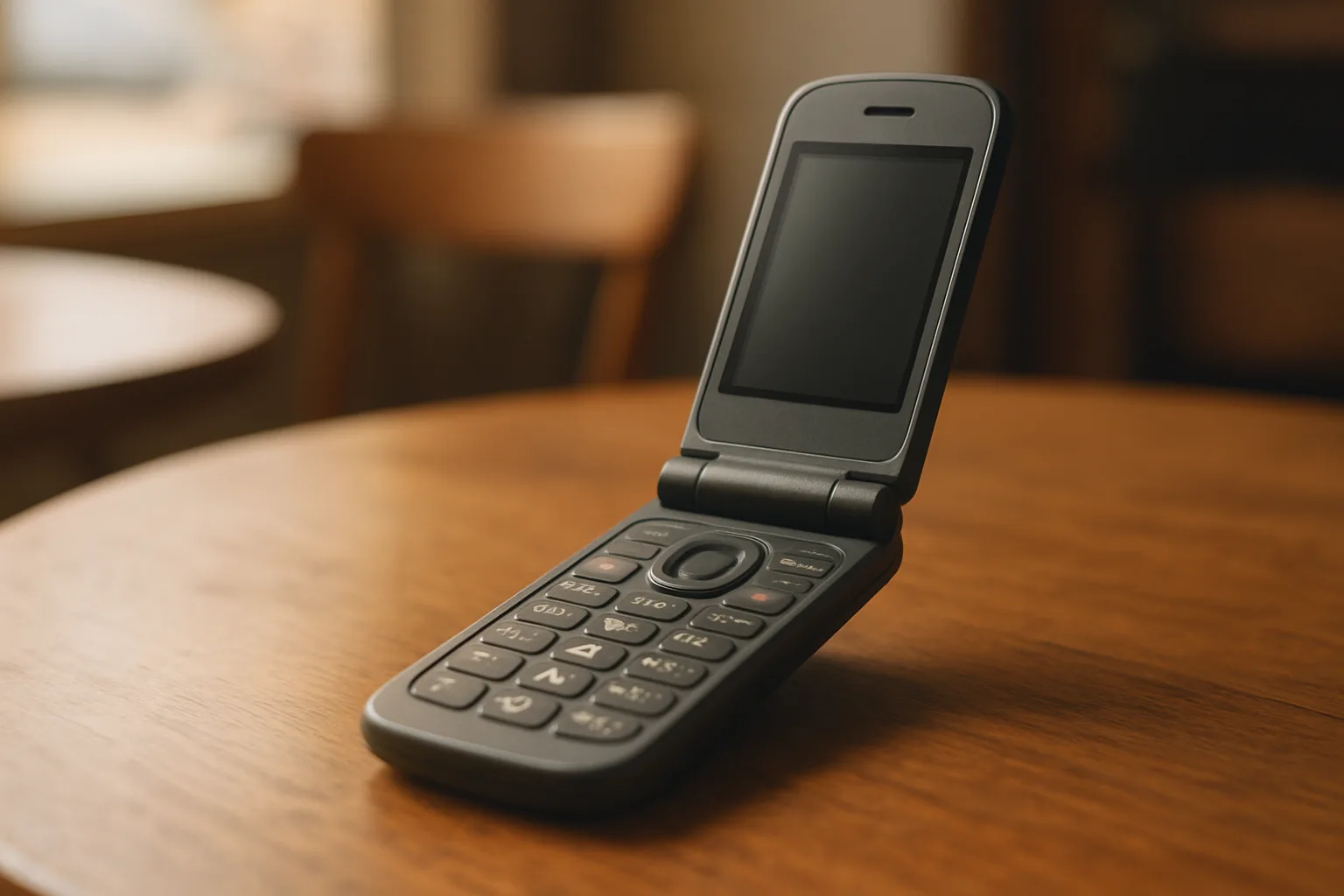
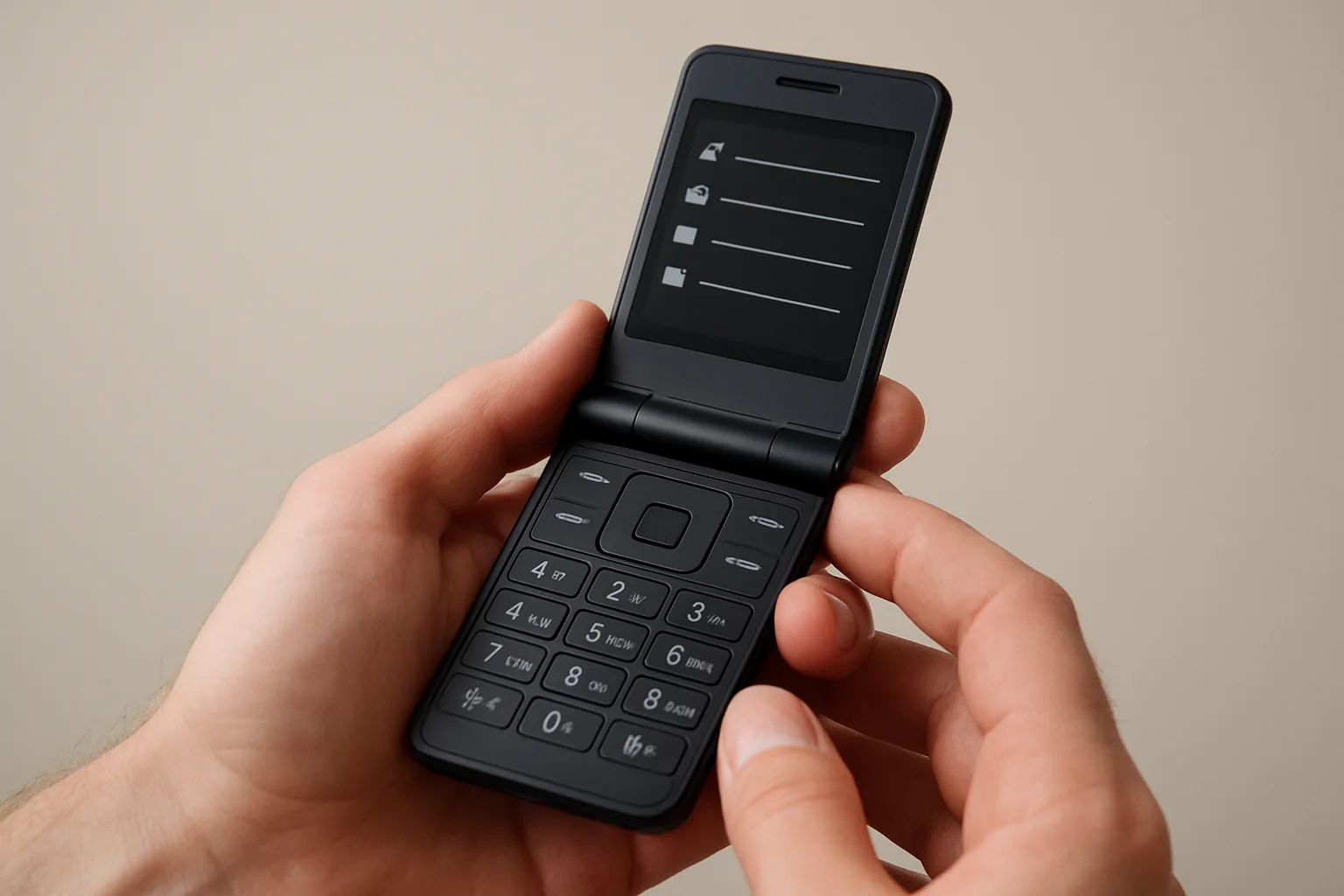
Physically, the Light Flip borrows the look and feel of old-school clamshell handsets rather than the expensive folding glass seen in recent premium devices. There’s no external display when the phone is closed; instead a single notification light handles alerts. Open it and you’ll find a 12-button keypad laid out for T9-style input, three dedicated function keys and a four-way directional pad with a center select button for moving a cursor through the interface. A side-mounted home button and volume rocker finish the control set.
Light swapped the aluminum body of its previous handset for a plastic chassis on the Flip, and it will ship in six color options rather than the single black finish used on the Light Phone III. Other pragmatic touches include a large speaker at the bottom, a 3.5mm headphone jack and a USB-C port. The battery is removable and hidden behind a screw-down plate on the back, alongside a single camera module.
Camera and basic hardware
The rear camera is listed as a 50-megapixel sensor that outputs 12-megapixel images. That’s a practical compromise: a high-resolution sensor paired with in-phone processing that delivers smaller files. This isn’t a cameraphone built to win pixel wars — it’s intended to capture moments without encouraging endless photo management.
Software philosophy: a phone that resists scrolling
The Light Flip runs the same minimal interface language as Light’s previous device: a simple list of tools displayed as white text on black. That approach intentionally omits the “endless scroll” apps that dominate modern attention — no app store scrolling, no feeds designed to keep you stuck. Instead, the phone focuses on voice, text and a compact selection of utilities.
Because the Flip is not a touchscreen device, navigation leans on the directional pad and physical keys. Light says tools built for the Light Phone III should be easy to adapt to the Flip’s keypad and cursor model, which preserves an ecosystem of simple utilities for users who want more than the basic calling features.
Extending the platform: SDK and third-party tools
One of the bigger shifts for the company is the imminent Light SDK. Work is underway to let outside developers create and distribute third-party tools that expand the phone’s capabilities. Light expects those tools to begin rolling out this fall, and the plan is to make porting Light Phone III utilities to the Flip straightforward — a potential way to fill small gaps that minimal devices often leave open.
For customers who need a few extra conveniences — a specific utility or two rather than a full suite of social apps — third-party tools could make the Flip practical for everyday use without pulling it back toward full smartphone behavior.
Carrier bundle, pricing structure and data limits
For the first time the company is selling hardware and service together. The Light Flip will be available as a bundled offering: one plan option pairs the phone with the Light service for $39 per month on a two-year arrangement and includes unlimited voice and text plus 1GB of data per month. The company frames that allowance as intentionally modest — the handset’s whole purpose is to discourage heavy mobile browsing — and recommends the higher-tier unlimited option only for people who plan to use the Flip’s 5G connection extensively as a hotspot. That unlimited bundle is priced higher when paired with the phone.
The maker will also offer a bundled contract for the Light Phone III at a different monthly rate for buyers who prefer the slab-style handset. Pre-orders for the Light Flip are open now, though the phone itself is not expected to ship until April 2027, so buyers will be signing up months ahead of delivery.
Who the Light Flip is for
Founders Joe Hollier and Kaiwei Tang say demand for a clamshell device came from multiple directions — notably younger users looking for something even less smartphone-like than the Light Phone III and people in distraction-free communities who have moved to old-school flip phones. The company’s pitch is straightforward: if you want a durable, tactile device that makes it awkward to fall into endless feeds, the Light Flip is built around that constraint.
That emphasis means the phone won’t appeal to heavy smartphone users. It’s not a foldable designed for multitasking or large-screen media consumption; instead it’s a minimalist phone with tools prioritized for focus and basic communication. If you need a pocket-sized hotspot, a rich camera app, or streaming services, this won’t replace a main smartphone for most people.
Practical specs at a glance
- Physical keypad with T9-style input and directional pad
- Removable battery behind a screw plate
- 50-megapixel rear camera, outputs 12-megapixel photos
- USB-C port and 3.5mm headphone jack
- No external display; notification light only
Final Verdict
The Light Flip isn’t trying to compete with high-end flip foldables or full-featured smartphones. It’s a minimalist flip phone that keeps the core strengths of the Light Phone III — a focus on calls, texts and a curated set of tools — while adding a classic form factor, physical keys and a removable battery. The new bundled service option and the upcoming SDK make the Flip a more usable alternative for people who want a truly distraction-free daily driver without giving up the option to add a few small conveniences. If pared-down communication and tactile controls matter more to you than apps and feeds, the Light Flip is worth considering when it ships next year.