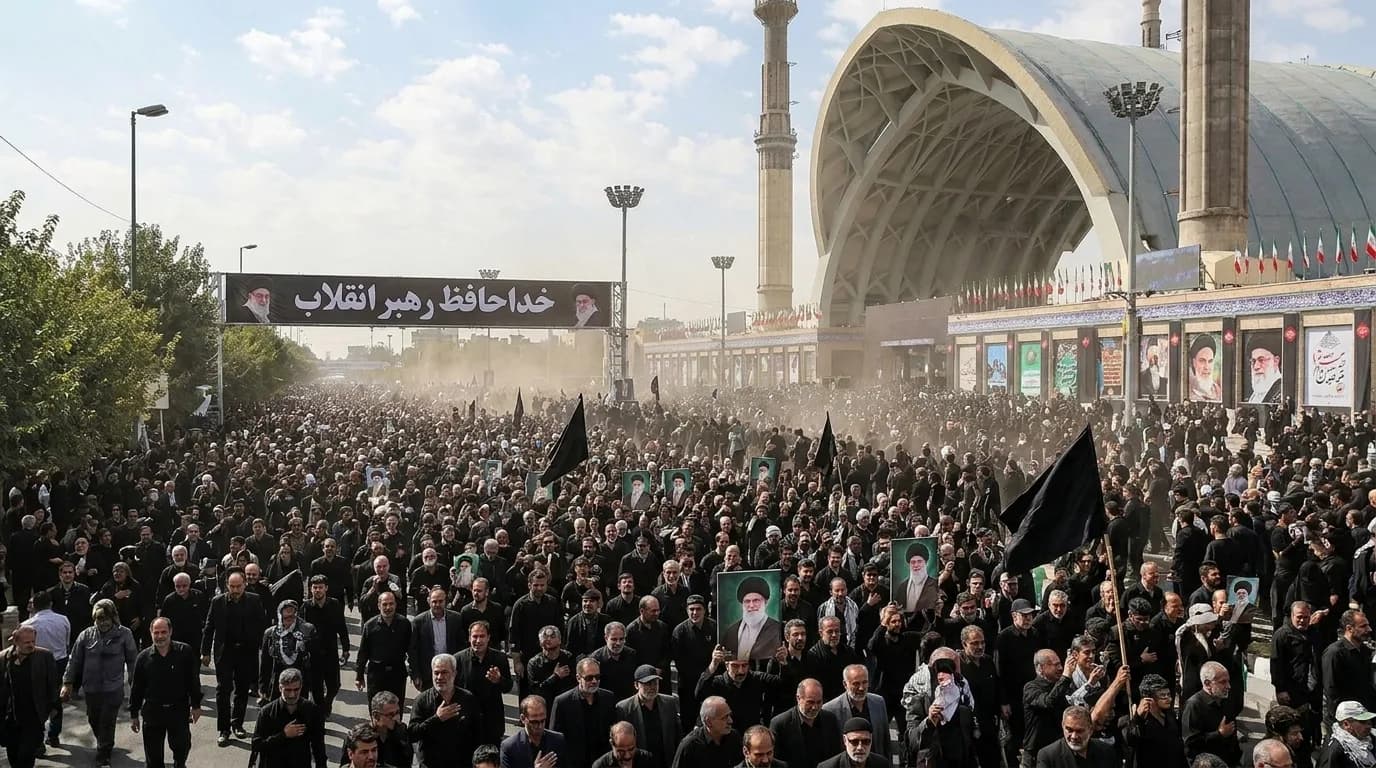
Tens of thousands of mourners flooded central Tehran on Sunday for the public funeral of Iran’s late Supreme Leader Ayatollah Ali Khamenei, who was killed alongside several family members in a joint U.S.-Israeli airstrike on February 28 — even as his successor and son, Mojtaba Khamenei, made no public appearance.
Three of Khamenei’s sons — Mostafa, Meysam, and Masoud — were seen praying behind their father’s coffin at the Imam Khomeini Grand Mosalla, a vast religious complex in the Iranian capital. Iranian President Masoud Pezeshkian and Parliament Speaker Mohammad Baqer Qalibaf were also present at the ceremony. Masoud Khamenei was visibly emotional, wiping tears with a keffiyeh as an imam led funeral prayers.
Mojtaba Nowhere to Be Seen
Despite widespread anticipation among mourners, Mojtaba Khamenei — who has been named as his father’s successor — did not appear at Sunday’s ceremony. Sources close to his inner circle previously told Reuters that Mojtaba sustained facial disfigurement and serious injuries to one or both legs in the same airstrike that killed his father and four other family members, including a 14-month-old granddaughter.
“Until the last moment, before the prayer began, I kept telling those around me that I hoped he himself would come. That was our only wish.”
— A mourner speaking to Tasnim News Agency
A Nation in Mourning — and in Defiance

Iran’s Islamic Republic has organized a week of mass funeral processions as a deliberate show of revolutionary solidarity. Flags bearing messages of revenge against the United States and Israel were waved through the crowds as soldiers, seminary students, and ordinary citizens filed through the Mosalla complex to pay their respects.
The Tehran metro system recorded approximately 7 million trips from late Saturday into Sunday morning alone, as crowds converged on the city centre overnight.
The War That Changed Iran
The airstrike that killed Khamenei triggered a multi-week conflict between Iran and the U.S.-Israeli alliance before a fragile ceasefire was reached. The toll was severe:
- 3,000+ people killed, including senior Iranian military commanders and politicians
- Military bases and major infrastructure destroyed, causing billions in damages
- Iran struck U.S. bases in the region and disrupted Gulf Arab nations hosting American forces
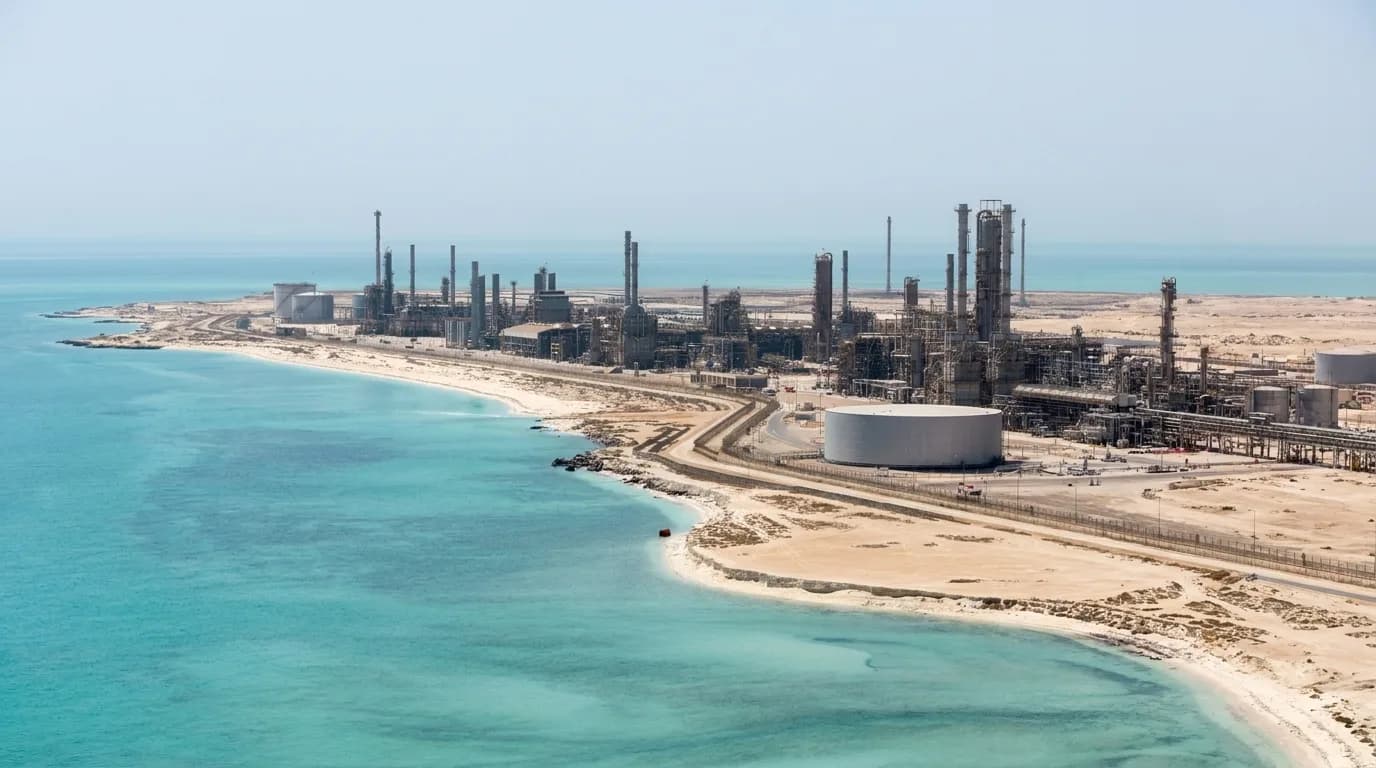
- Iran asserted control over the Strait of Hormuz, causing a global energy price spike
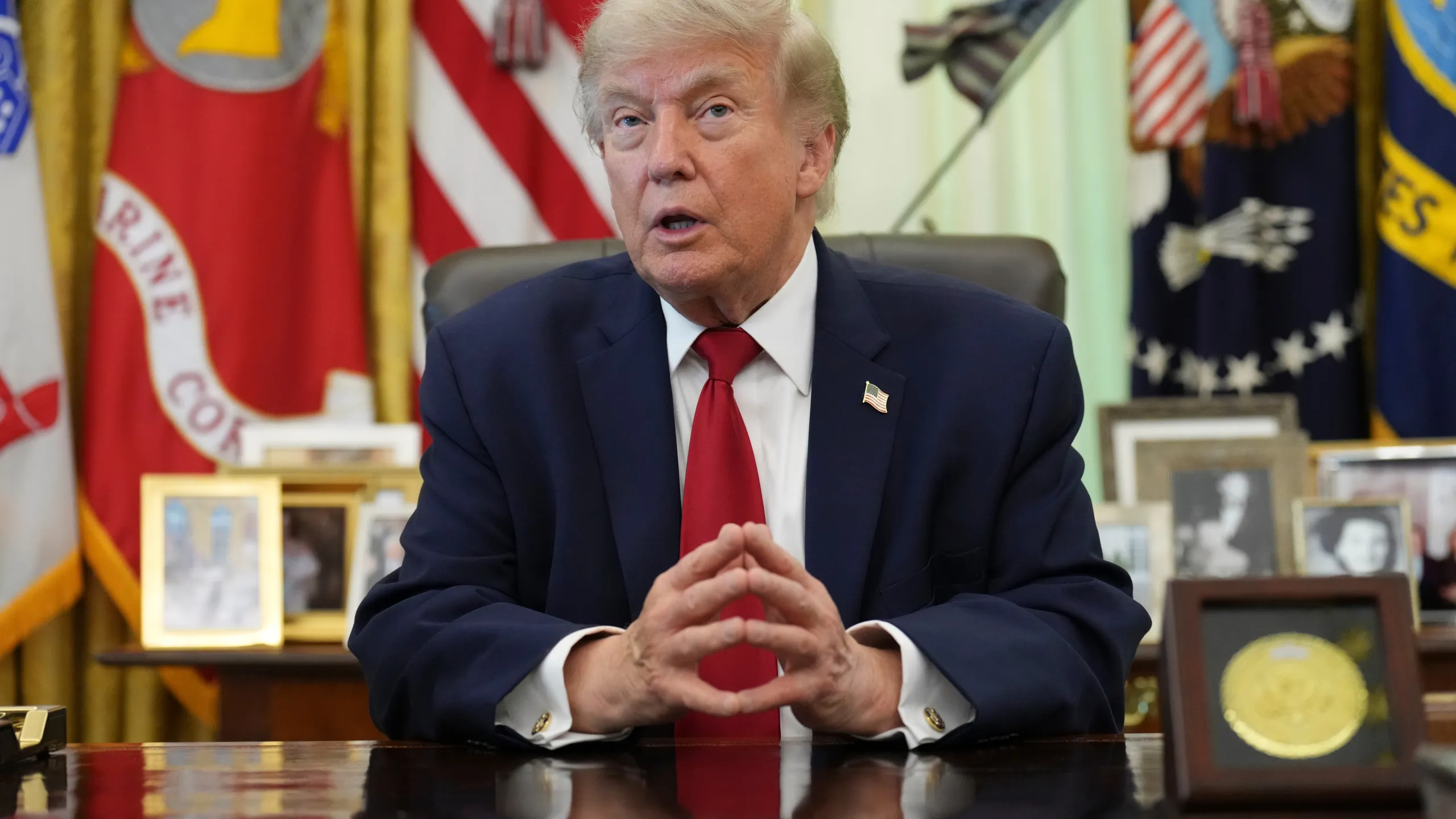
U.S. President Donald Trump has said the resulting economic pressure accelerated his push for a peace deal.
Ceasefire Terms and Peace Talks
The interim ceasefire agreement secured significant concessions for Iran, including:
- Unfreezing of billions of dollars in Iranian assets held abroad
- Waivers from financial sanctions that had crippled Iran’s economy
Trump confirmed to Axios that peace negotiations have been paused for one week out of respect for the funeral proceedings.
What Comes Next: A Week of Processions
Iranian authorities have planned a sweeping series of state ceremonies across the region over the coming days:
| Day | Location | Event |
|---|---|---|
| Monday | Central Tehran | Large state procession |
| Tuesday | Qom | Ceremonies at Iran’s Shi’ite spiritual centre |
| Wednesday | Najaf & Karbala, Iraq | Ceremonies at Shi’ite holy shrine cities |
| Thursday | Mashhad, Iran | Final procession before burial |
Authorities say they plan to mobilise millions of participants across these events, providing transport, food, and accommodation to facilitate attendance. Khamenei will be buried near the tomb of a revered medieval Shi’ite imam in Mashhad.