If the latest iPhone 18 Pro leak is even half right, Apple’s 2026 flagship is shaping up to be thicker, cooler, smarter – and almost certainly more expensive. A new AppleTrack video breaks down a trove of technical documents and test images that allegedly spilled out of a supplier data breach, painting the clearest picture yet of where the iPhone Pro line is headed.
A radical rethink of the iPhone 18 Pro design
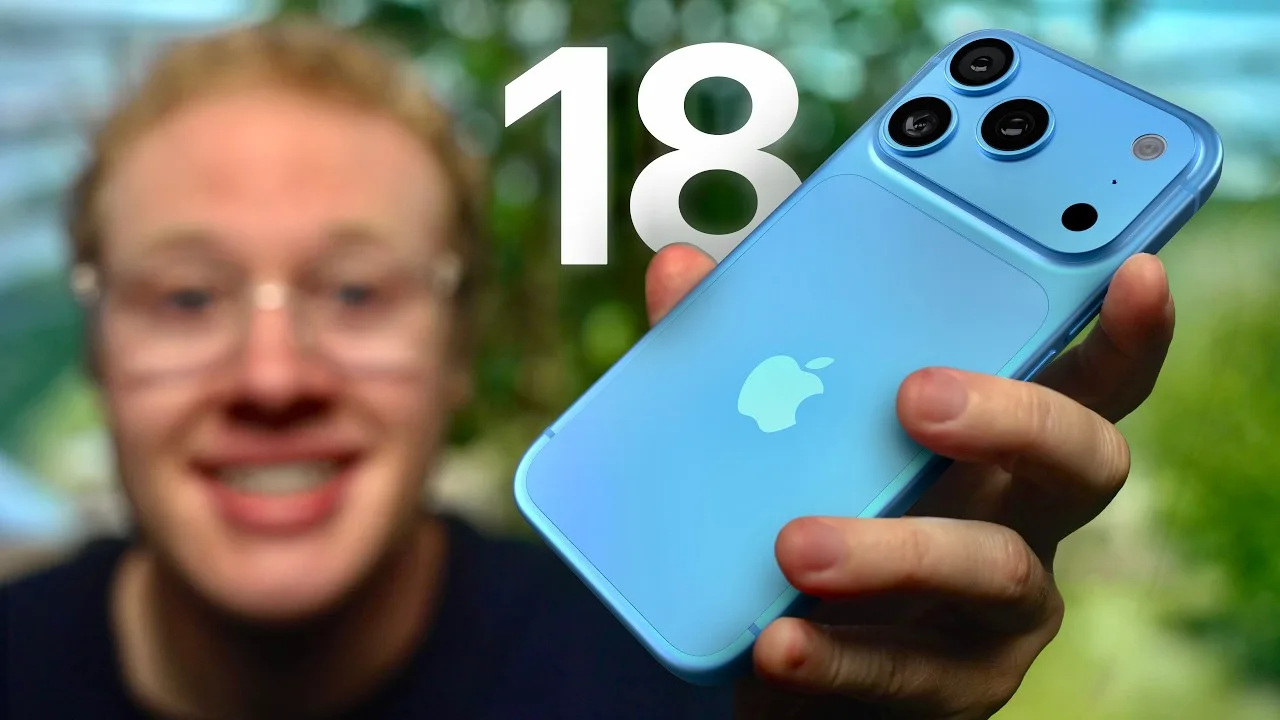
The AppleTrack analysis focuses on what appears to be internal drop-test footage and chassis data for the iPhone 18 Pro and iPhone 18 Pro Max. In those materials, the phones reportedly ditch the current two-tone back for a unified glass-and-metal finish, capped off with a mirrored Apple logo. The host argues this is less of a minor refresh and more of a visual reset for the Pro line.
The leaked hardware also points to noticeably thicker bodies, especially on the Pro Max. The chassis dimensions and weight figures referenced in the video suggest Apple is giving itself more physical room for cooling hardware and a larger battery, rather than chasing ever-slimmer silhouettes. It’s a rare move in a smartphone world obsessed with thinness – and a sign that Apple is prioritizing thermals and endurance for whatever it has planned in 2026.
One detail that stands out in the breakdown is color. Physical SIM tray components shown in the leak are finished in a Dark Cherry shade, hinting that Apple may be readying a deeper, moodier color option for the iPhone 18 Pro line. As always with pre-release hardware parts, nothing is guaranteed, but color-matched SIM trays have a strong track record of previewing final finishes.
Battery gains: small on Pro, big on Pro Max
Under the hood, the iPhone 18 Pro battery story looks like a tale of two devices. Based on the capacity numbers surfaced in the documents, the standard iPhone 18 Pro reportedly inches up from 4,252 mAh to 4,288 mAh – roughly a 1% bump. On paper, that’s barely a rounding error, and the video doesn’t claim any earth-shattering battery life improvements for the smaller model.
The iPhone 18 Pro Max, however, is where things get interesting. The leak points to a jump from 5,088 mAh to 5,567 mAh, close to a 10% increase in capacity. AppleTrack notes that internal estimates tied to these figures push video playback beyond 43 hours, which would put the big iPhone firmly into weekend-phone territory for many people.
Those gains apparently come with a cost in the hand. The Pro Max is said to become 0.25 mm thicker and about 7 grams heavier, changes that most users will feel but likely accept if battery life and sustained performance improve in tandem. If Apple is leaning into bigger batteries across its Pro lineup, the iPhone 18 Pro Max could end up being the endurance champ of the series.
Camera hardware: variable aperture goes mainstream
On the camera side, AppleTrack says diagnostic calibration logs reference an updated primary sensor paired with a mechanical variable aperture system on the iPhone 18 Pro and Pro Max. That would signal a notable shift in Apple’s camera hardware philosophy.
Today’s iPhones already lean hard on computational photography, but a real, hardware-based variable aperture would give the camera more flexibility in the way light hits the sensor. The analysis suggests this could translate into sharper low-light shots, better control over depth of field, and potentially improved video performance when lighting conditions swing from bright to dim.
The video stops short of claiming specific f-stop values or exact sensor dimensions, and that restraint matters. What’s clear from the leak is the presence of moving aperture hardware tied into Apple’s existing calibration systems – a strong hint that camera pros and hobbyists alike may have more control to play with on the iPhone 18 Pro.
A smaller Dynamic Island and hidden Face ID hardware
On the front, the iPhone 18 Pro display is where Apple seems to be making one of its most visible quality-of-life upgrades. Front panel schematics in the leaked materials indicate that Apple has relocated the Face ID infrared sensor fully under the display panel. In practice, the AppleTrack breakdown says this allows the Dynamic Island cutout to shrink by around 35%.
If that figure holds, it would mark the biggest change to Apple’s display cutout since the Dynamic Island arrived. Less on-screen real estate eaten by camera and sensor hardware means more room for content, but it also suggests Apple is edging closer to its long-rumored endgame of an all-screen front with no visible cutout at all. iPhone 18 Pro may not get there yet, but burying more Face ID components under the panel is a big technical step in that direction.
The net effect, if the leaks are accurate, would be a cleaner, more modern-looking front with the iPhone 18 Pro leaning harder into its display as the star of the show.

Cooling, A20 Pro silicon, and the vapor chamber push
One of the most consequential changes AppleTrack highlights doesn’t show up on a spec sheet: cooling. Schematics in the breach reportedly reveal a much larger vapor chamber spreading across the majority of the main logic board. That suggests Apple is finally treating thermal performance as the same kind of first-class design priority we’ve already seen in gaming phones and some Android flagships.
This larger vapor chamber appears to be paired with the A20 Pro processor, which the video says is built on a 2nm process. The leak also points to a switch to WMCM packaging, rearranging how the processor and RAM are physically configured. Instead of stacking, LPDDR6 memory is positioned alongside the chip, and an expanded Neural Engine is called out in the documents as well.
None of this is confirmed silicon marketing yet, but together it sketches a clear direction: iPhone 18 Pro is being architected for more sustained high performance, more efficient AI workloads, and less throttling under strain. If Apple is serious about on-device generative AI and heavier graphics, this is the kind of internal layout it needs.
Modems, connectivity, and a split strategy
The leak also lines up with a long-running rumor: Apple’s own modem is still not ready to fully replace Qualcomm in the most demanding markets. AppleTrack reports that documentation around the iPhone 18 Pro and Pro Max references a split approach. In this scenario, US models keep using Qualcomm modems, while international units move to Apple’s custom C2 modem.
The sticking point, based on the analysis, is millimeter-wave 5G support. The suggestion is that Apple’s in-house modem still lags when it comes to the trickiest radio technologies, forcing the company to lean on Qualcomm where carriers rely heavily on mmWave. It’s a compromise, but one that also lets Apple start shipping its own silicon in regions where those demands are lower.
A possible $1,399 starting price – and a delayed base iPhone 18
If you’ve been waiting for the catch, it shows up in the bill-of-materials math. AppleTrack walks through component cost estimates tied to the leaked specs – higher-end displays, more advanced cooling, a 2nm A20 Pro with LPDDR6, and expanded batteries – and argues that Apple may respond by pushing the entry price of the iPhone 18 Pro up by as much as $300.
That would place the possible starting price at $1,399, a number that would have seemed unthinkable for a mainstream iPhone just a few hardware generations ago. To be clear, this is an educated projection, not a confirmed price tag, but it matches the direction of travel in the rest of the leak: more ambitious hardware, more expensive components, less appetite to eat those costs.
The video also references reports that Apple could delay the standard, non-Pro iPhone 18 until spring 2027. Under that strategy, fall 2026 would be reserved for the iPhone 18 Pro line and a foldable model, with the base iPhone arriving later as a more affordable option. If that’s how the roadmap shakes out, the iPhone 18 Pro may become even more of a halo device – and even less of a default upgrade for most buyers.
What This Means
Viewed together, these iPhone 18 Pro leaks sketch out a clear message: Apple is getting more aggressive about hardware in its Pro phones, and it’s willing to make them thicker, heavier, and pricier to get there. The AppleTrack breakdown of the supplier breach suggests a device built around three priorities: longer battery life, better sustained performance and cooling, and more advanced camera and display technology.
If the iPhone 18 Pro really does arrive with a unified back design, a shrunken Dynamic Island, a 2nm A20 Pro, a larger vapor chamber, and a Pro Max that pushes past 43 hours of video playback, it will feel like a generational leap – not just a yearly refresh. The trade-off is obvious: that rumored $1,399 starting price would push the Pro line into a new tier, and a delayed base iPhone 18 would leave fewer lower-cost options at launch.
None of this is final. These are leaks pulled from technical documents and test hardware, and Apple has two full years to change its mind. But if the direction holds, the iPhone 18 Pro won’t just be another spec bump. It’ll be Apple planting a much bigger, more expensive flag at the high end of the smartphone market – and daring everyone else to follow.
Thumbnail: AppleTrack via YouTube | Photo: Ed Yourdon / BY-NC-SA via Openverse