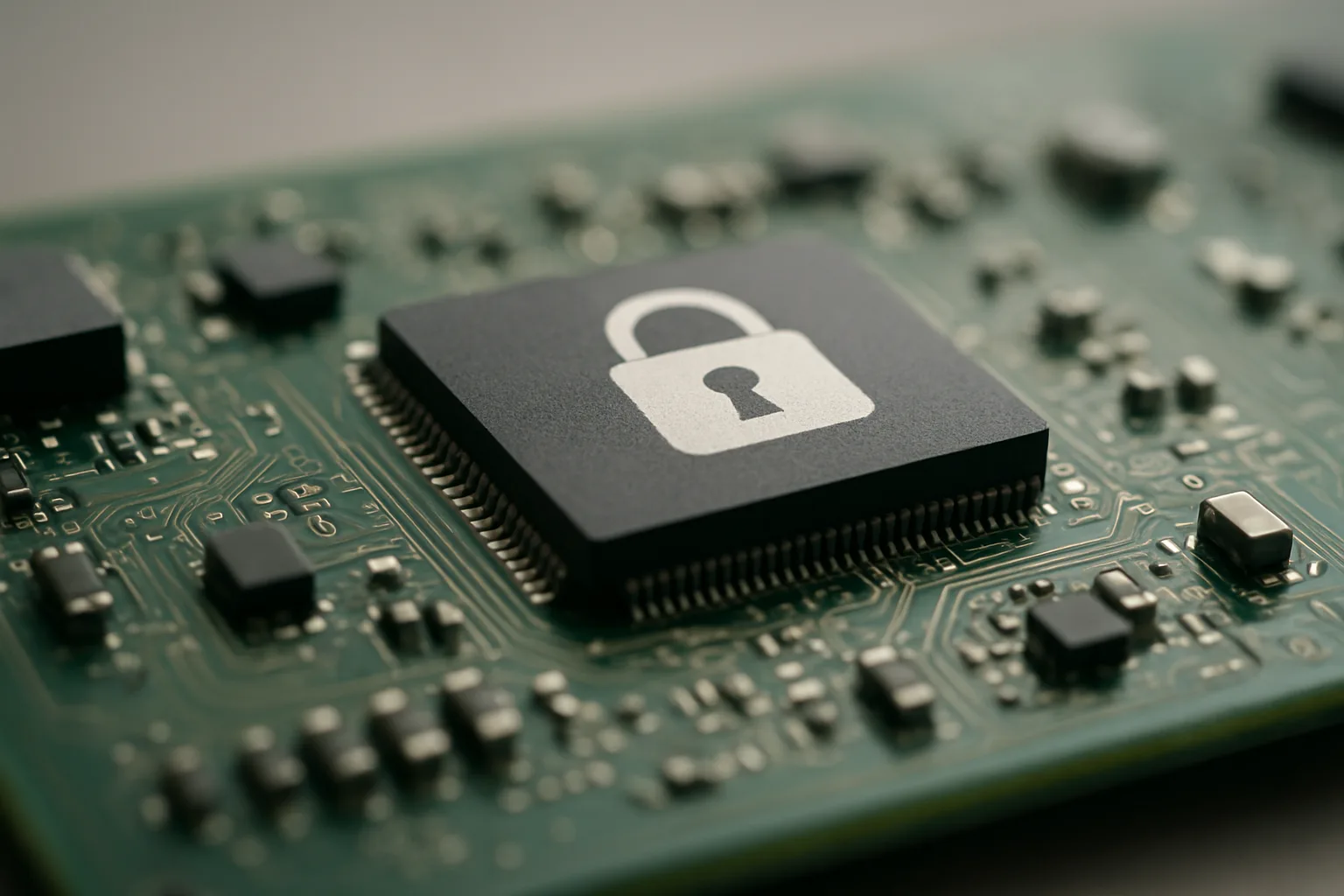
The Infineon security IC that supports USB and NFC connectivity signals a push toward more flexible, multi-interface hardware security. The new device pairs a contact-based link and contactless radio in a single chip, giving designers an option to consolidate secure elements for payment, authentication, and device identity into one package.
Why a combined USB and NFC security IC matters
Security chips historically focus on a single interface: a secure element for contactless tap-and-go, or a USB token for host-attached authentication. A chip that natively supports both USB connectivity and NFC connectivity reduces the need for multiple components on a board and simplifies firmware stacks. For manufacturers, that can mean fewer part numbers, a smaller bill of materials, and a clearer upgrade path when products need both a physical connector and a contactless option.
Real-world uses without technical spin
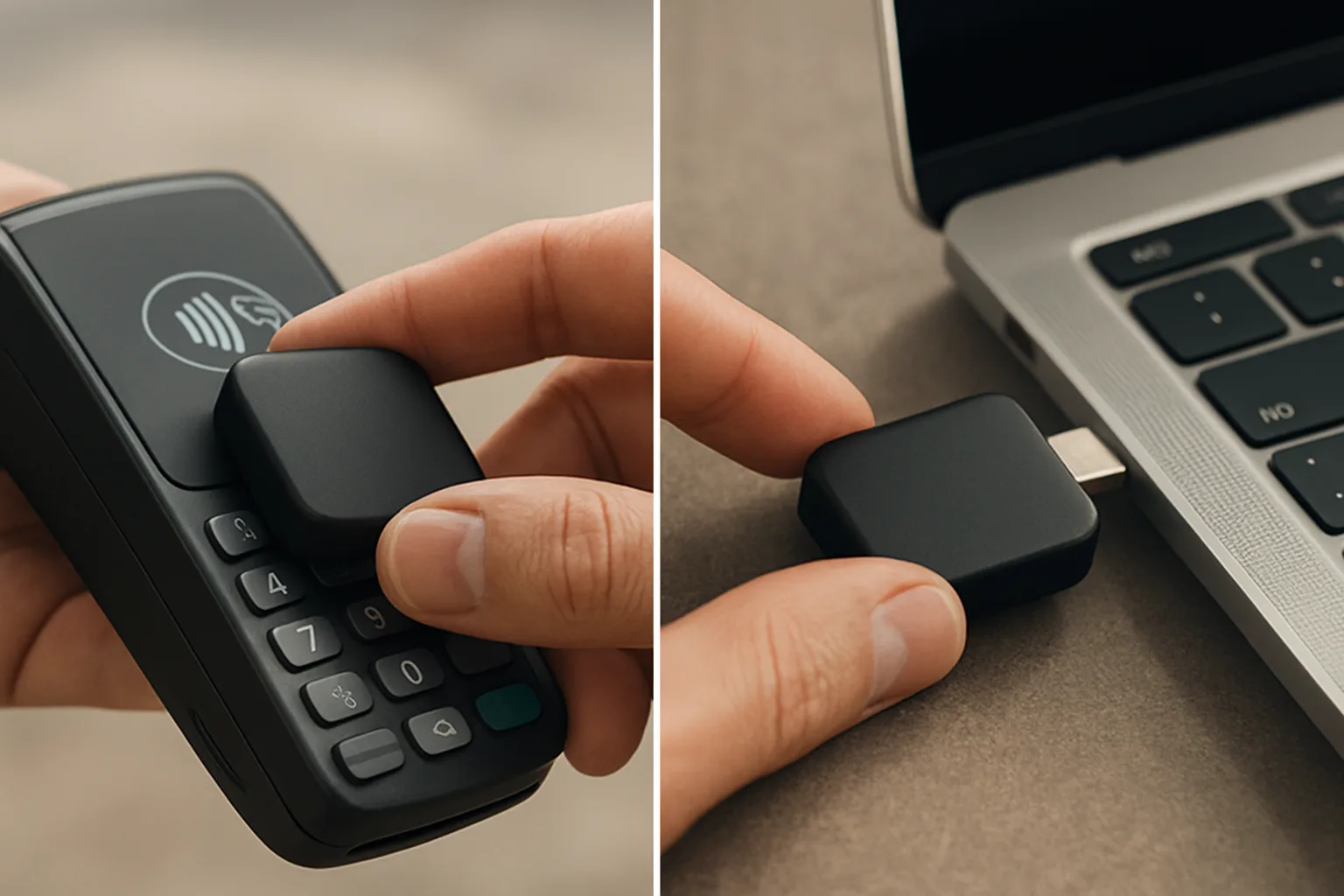
Designers can apply a hybrid security IC in a wide range of products. Typical use cases include contactless payments, USB authentication tokens, secure onboarding of IoT devices, and access-control badges that also plug into a host. The flexibility to present credentials over either a USB link or an NFC radio opens up product designs that serve both field and desk workflows—employees could tap a reader at a door, then plug the same device into a laptop for elevated access or credential transfers.
Infineon security IC: what this design choice enables
Pairing USB and NFC on one secure element shifts how companies approach credential storage and device identity. Rather than splitting sensitive data between separate secure elements or relying on a host to mediate contactless interactions, a single chip can act as the root of trust. That model simplifies lifecycle management for credentials and certificates and makes it easier to maintain a consistent security posture across multiple interaction modes.
Benefits for hardware and software teams
- Smaller system footprint: fewer distinct secure components on the PCB.
- Simpler integration: one security stack to support both host-attached and contactless interfaces.
- Consistent credential handling: identical cryptographic routines and key storage regardless of how the chip is accessed.
Those advantages translate directly into shorter development cycles for teams building payment terminals, access controls, and embedded devices that need both USB tokens and contactless capability.
Design trade-offs developers should consider
Consolidation brings trade-offs. Engineers must weigh power budgets, as NFC operation and host-powered USB modes have different consumption profiles. They should also consider antenna placement for reliable NFC range and the physical form factor needed for a device that might be both wall-mounted and desk-docked. Finally, software teams will need to validate that the single-chip approach meets their system’s certification and interoperability needs when replacing multiple, well-understood components.
How this fits into broader security architectures
A security IC that supports both USB connectivity and NFC connectivity can serve multiple roles in an overall architecture. It can act as a secure element for mobile-style contactless transactions, a USB token for desktop authentication, or a trust anchor in an embedded IoT device. That versatility makes the chip useful across payment terminals, enterprise identity tokens, smart door controllers, and connected appliances that require secure onboarding and firmware verification.
Operational considerations
Manufacturers should plan for provisioning and lifecycle tasks—secure personalization of keys, revocation or rotation of credentials, and end-of-life handling. Centralized provisioning services that can deliver keys or certificates over USB or NFC will be particularly helpful for companies that roll out devices at scale. Likewise, planning for firmware updates, patching, and secure rollback mechanisms is essential to keep a hardware root of trust resilient over time.
What partners and integrators will look for
System integrators evaluating a combined security IC will focus on interoperability with existing readers and USB hosts, available developer tools and SDKs, and the maturity of integration guides. Equally important will be support for the cryptographic algorithms and key-management models already in use across a customer’s fleet, whether for payment credentials, enterprise authentication, or device identity.
Migration paths
For companies replacing two-chip solutions, a clear migration playbook is key: define how credentials move to the new chip, validate compatibilities with existing access-control and payment infrastructure, and stage a rollout to minimize disruption. A successful migration can reduce inventory complexity and improve long-term maintainability.
Final Verdict
A security IC that combines USB connectivity and NFC connectivity offers tempting practical advantages: fewer parts, unified credential storage, and broader product flexibility. The approach won’t remove all engineering trade-offs, but for teams seeking to cover both desk and field use cases with a single secure element, the concept is an appealing step toward simplified secure hardware design.