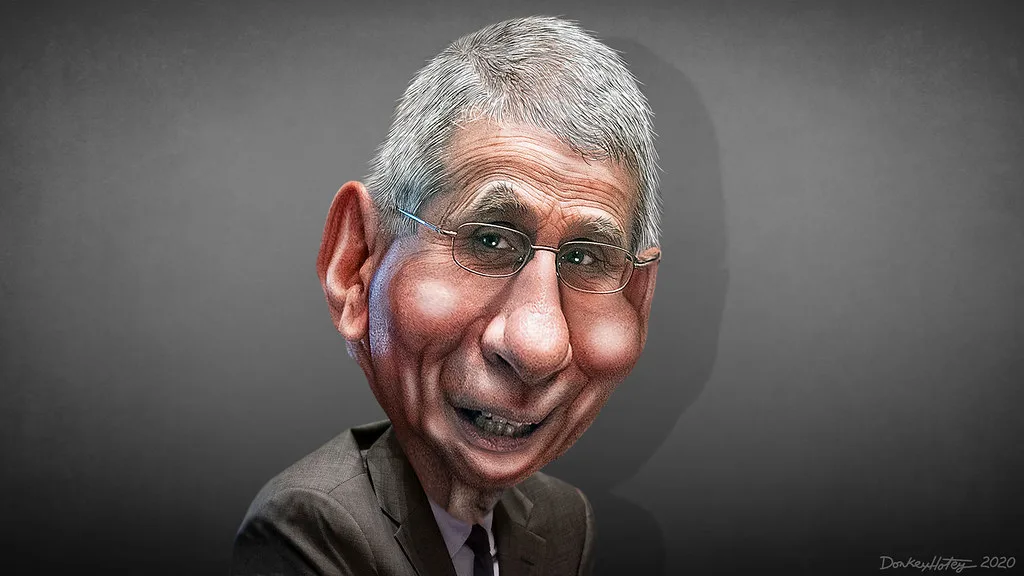
The GOP’s Fauci witch hunt isn’t just political theater. It’s a live-fire stress test of how much damage partisan rage can do to public health — and to the next people who end up gasping for air in an ICU.
In the middle of the COVID-19 crisis, physicians watched previously healthy patients crash in front of them. One of them was a 36-year-old photographer, mildly overweight and diabetic, who went from taking landscape photos one day to being intubated on life support the next. That whiplash — from ordinary life to a ventilator — is what the pandemic actually looked like from the hospital side of the glass. It’s the reality that today’s Senate takedowns of Anthony Fauci pretend never happened.
How Fauci Became a Political Effigy
The latest attack came in a Senate committee hearing led by Sen. Rand Paul, who has spent years arguing that Anthony Fauci should be criminally prosecuted. In his opening statement, Fauci noted what many observers have long seen: Paul’s “unhinged obsession” with putting him “behind bars.”
That line made headlines, but it’s the underlying project that matters. The goal isn’t to interrogate what went right and wrong in the COVID-19 response; it’s to rewrite the story so that public health expertise itself is the villain. The hearing was framed as accountability. Functionally, it was a warning to anyone who might step into Fauci’s role next time: help lead a national response, and you may end up treated like a criminal.
It’s an especially cynical move given the scale of what the country lived through. More than a million Americans died from COVID-19. Frontline teams worked with constantly shifting evidence, limited tools and collapsing hospital capacity. Public health leaders were trying to make calls in real time, in public, with the death curve accelerating. They did not get everything right — and Fauci would be the first to say that. But he did what public health leaders are supposed to do: update recommendations as evidence changes, and communicate that shift, even when it’s unpopular.
COVID Memory Loss Has a Body Count
The focus keyword in this debate isn’t just “Fauci witch hunt.” It’s distrust. That’s the real outcome of this campaign: eroding trust in the people and institutions that help society navigate health emergencies.
During the early months of the pandemic, many frontline physicians felt like they were flying blind. Treatments were unproven. The virus outpaced supply chains. Practical guidance from national experts was one of the few anchors they had. Fauci and other public health officials frequently updated masking advice, contact precautions and hospital protocols as new data emerged. Sometimes those shifts were messy or confusing, but that’s what it looks like when science happens in public instead of behind the curtain.
Instead of acknowledging that messy reality, the witch hunt against Fauci cherry-picks those evolving recommendations as proof of deceit. Every changed guideline is recast as a lie rather than a course correction. Every misstep is painted as malice. The message to the public is clear: don’t just question science; assume it’s out to get you.
We already know where that road leads. Political attacks on vaccines and public health measures helped fuel a wave of misinformation that kept vaccination rates lower than they needed to be. One study estimated that from 2021 to 2022, more than 300,000 American COVID deaths could have been prevented with better vaccine uptake. That isn’t an abstract statistic — it’s a stark reminder that distrust is lethal.
Science vs. Spectacle
The demonization of Fauci doesn’t exist in a vacuum. It sits alongside a broader pattern of elevating people who undermine basic public health work, while punishing those who try to do it.
We’ve already seen how disastrous that can be. When national leaders flirted with pseudoscience — suggesting, for example, that injecting disinfectant might be a treatment — it didn’t just generate memes. It crowded out serious messaging in the middle of a spiraling crisis. The more chaos at the podium, the harder it was for local doctors and public health officials to convince people to mask, distance, or later, to get vaccinated.
At the same time, figures who have built careers questioning vaccines continue to gain political power. The result is not some bold, disruptive rethink of health policy. It’s measurable damage: surging measles cases after years of steady control, and fumbled responses to preventable outbreaks like the ongoing Cyclospora diarrhea problem. When you clear out experienced public health professionals and replace them with ideologues, diseases exploit the vacuum.
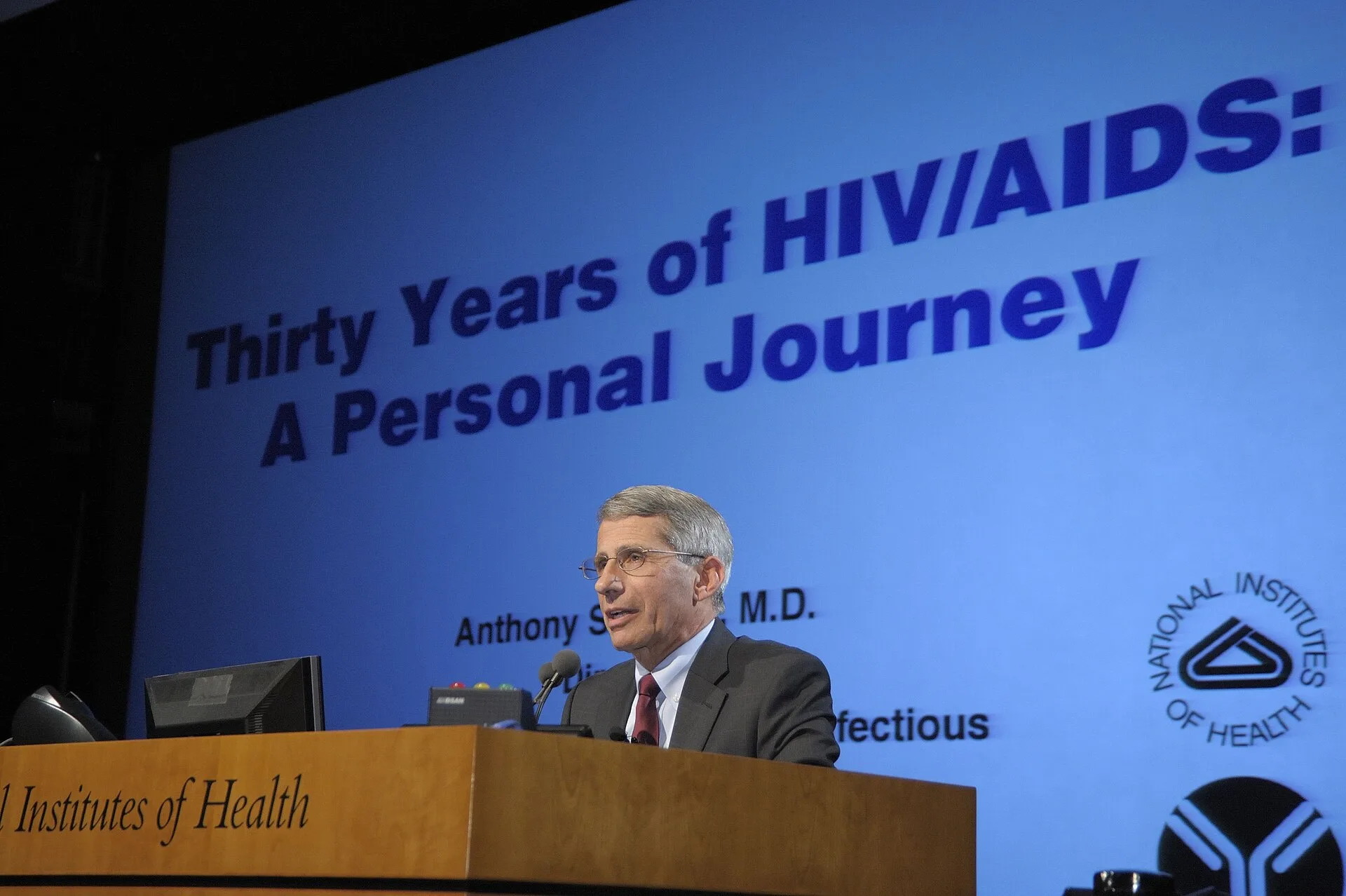
Fauci’s career is the opposite of that chaos. Before COVID, he helped steer federal responses to HIV and Ebola, building a reputation for grinding, incremental, evidence-based work. That may not make for compelling cable news theater, but it’s how you prevent deaths.
The Cost of Making Public Health a Punchline
Turning Fauci into a foil for partisan anger might play well on social media, but it sends a chilling signal through the whole public health ecosystem. The next time a novel virus appears, how many seasoned experts will want to be the public face of the response if they know years later they’ll be dragged into hearings, accused of crimes and painted as tyrants?
There’s also a more subtle cost. Every time a senator uses a nationally televised hearing to boost conspiracy theories or suggest that mainstream public health agencies can’t be trusted, it nudges people toward alternative “authorities” — influencers and commentators with none of the training or accountability, but all of the confidence.
That’s how you end up with parallel realities: one where health workers are triaging patients and following data, and another where people are crowd-sourcing medical advice from whoever sounds most certain on a podcast. In that second reality, disinformation spreads faster than any virus.
The irony is that many of the same critics accuse Fauci and others of loving the spotlight. But the vacuum they’re creating almost guarantees that the loudest, least qualified voices will fill it next time. The nation did need a steady public presence during peak COVID — someone to explain what was known, admit what wasn’t, and change course as evidence shifted. Fauci and his colleagues filled that role under brutal conditions. If you tear down that model and replace it with pure showmanship, don’t be surprised when the outcomes get worse.
Accountability Without Scapegoats
None of this means the pandemic response should be above criticism. It shouldn’t. Public health needs robust, sometimes uncomfortable postmortems. We need clear-eyed reviews of masking guidance, school closures, hospital surge planning, vaccine communication and more.
But there’s a difference between accountability and scapegoating. Accountability asks, “What did we learn, and how do we do better?” Scapegoating asks, “Who can we blame so we don’t have to admit what really went wrong?”
Real accountability looks like independent commissions, transparent data, and concrete reforms. It grapples with everything from supply chain fragility to structural racism in health outcomes. It listens to frontline doctors who watched patients like that 36-year-old photographer deteriorate in real time, and it honors their experience instead of erasing it. It is slow, often boring work.
The Fauci witch hunt is the opposite. It’s fast, emotionally charged, and optimized for clips and fundraising emails. It distracts from the harder questions and reassures people that the problems were all the fault of a few villains in Washington — not the fractured information ecosystem, not the chronic underfunding of public health, not the societal refusal to take collective action seriously.
What This Means
The fight over Anthony Fauci’s legacy is bigger than one man’s reputation. It’s a referendum on whether the United States still believes in expertise at all when it comes to public health.
If congressional Republicans succeed in turning “Fauci” into shorthand for corruption and failure, the damage won’t stop at one name. It will extend to the next CDC director who has to face cameras during an outbreak, the next local health officer weighing a mask order, the next hospital physician begging the public to get vaccinated.
We know, with grim certainty, that there will be a next time. Another virus, another outbreak, another crisis that moves too fast for politics to catch up. When that happens, we can either have a system where evidence and expertise still carry weight, or one where public health is just another culture-war prop.
The witch hunt against Fauci is a stress test of which path we’re choosing. If we keep turning scientists into villains and hearings into circus acts, the real price will be paid not in committee rooms, but in hospital wards — by patients who, like that 36-year-old photographer, never expected to need a ventilator, and by the doctors trying to keep them alive while the politics rage outside.
Photo: DonkeyHotey / BY via Openverse | Photo: NIAID / CC BY 2.0 via Wikimedia Commons