Global trade is somehow growing at double digits while one of the world’s most critical shipping lanes is laced with mines and threats. That is the paradox at the heart of new UN data showing global trade up 12.5% even as tensions in the Strait of Hormuz rattle oil and shipping markets.
The headline number is striking, but it comes with a major asterisk: much of that 12.5% rise reflects higher prices, not a genuine boom in the volume of goods crossing oceans. In other words, the world is paying more to move roughly similar amounts of stuff, with the Strait of Hormuz crisis acting as one of the key pressure points.
Strait of Hormuz tensions collide with trade data
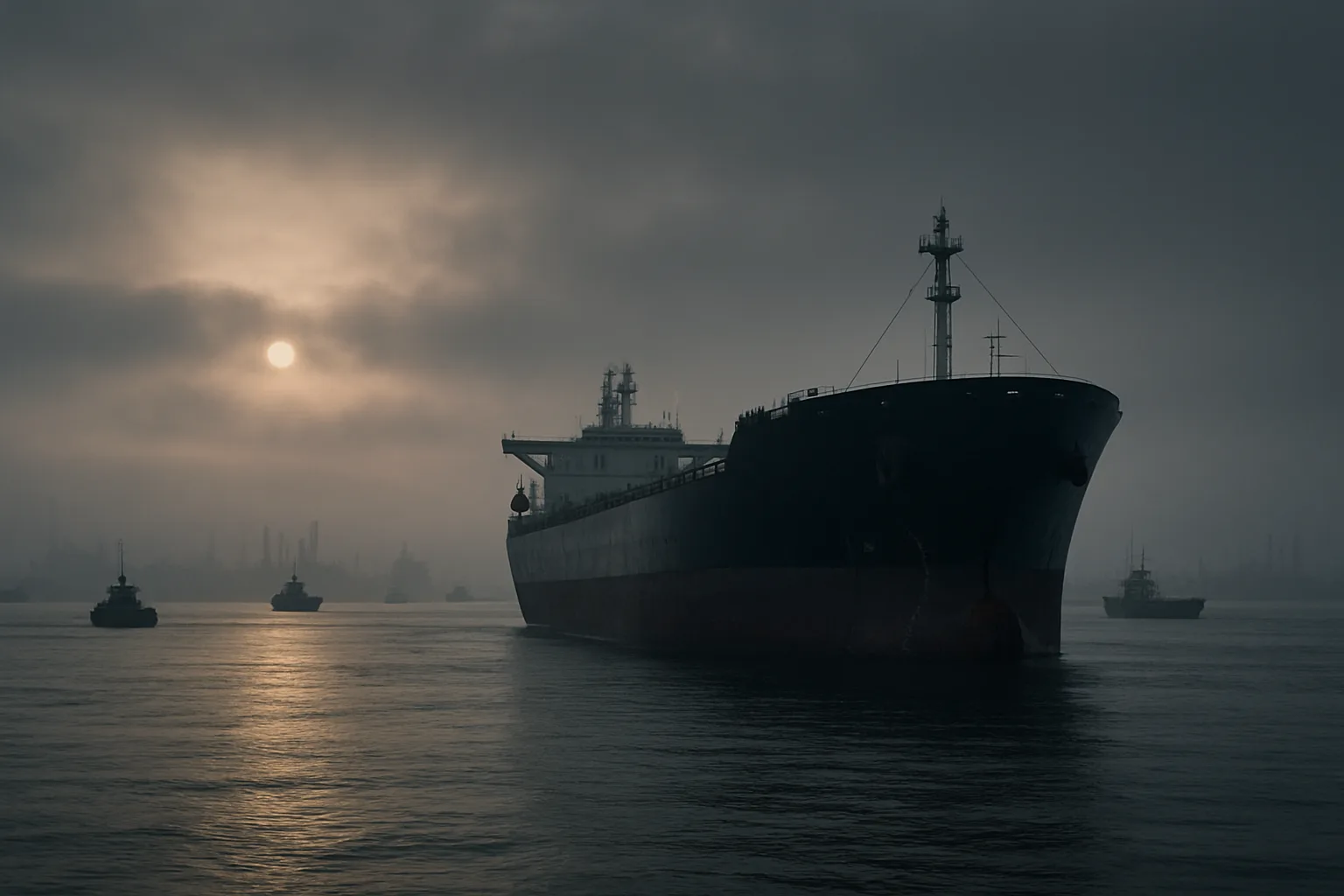
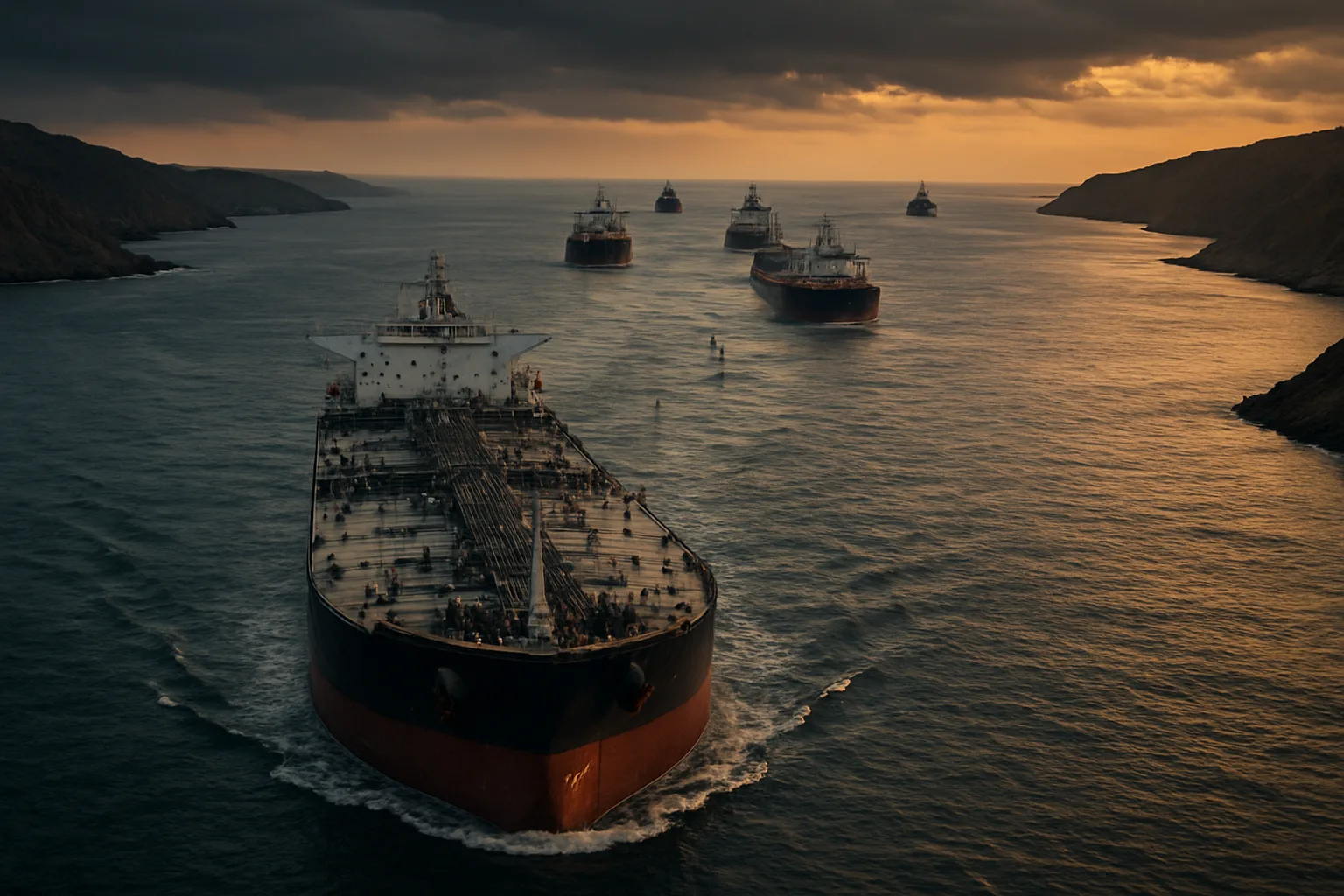
The Strait of Hormuz is the narrow maritime throat between Iran and the Arabian Peninsula, funnelling a significant share of the world’s seaborne oil and gas exports. In recent weeks, it has become the flashpoint of a wider confrontation, with mine warnings, threats of retaliation and talk of hitting strategic infrastructure raising the risk calculus for every shipowner eyeing the passage.
Iranian military officials have signalled that only select vessels may be allowed through, while also warning that routes in the southern part of the strait are mined. The message to global shipping is blunt: transit is possible, but not guaranteed to be safe.
Those threats land in an already combustible context of US–Iran confrontation and regional tension. War-related costs are climbing, navies are visibly present, and energy traders are glued to every new statement from Tehran and Washington. Each hint of escalation filters almost instantly into freight and insurance markets.
Global trade up 12.5% – but volumes tell a different story
The UN trade body’s estimate that global trade is up 12.5% sounds, at first glance, like a surprising vote of confidence in the world economy. But the organization is explicit that a “significant share” of this increase is driven by prices rather than by a surge in physical volumes.
That nuance matters. Higher oil and shipping costs push up the dollar value of trade flows even when actual cargo tonnage is barely budging. If crude sold for $70 a barrel last year and is now selling closer to $90 because of war premiums, the same tanker shipment inflates the trade statistics without adding a single extra barrel.
This is exactly the environment the Strait of Hormuz disruptions help create: uncertainty over supply routes, higher perceived risk, more expensive insurance and freight, and ultimately pricier energy and goods for consumers around the world.
Hormuz as a pressure point on energy and shipping
The Strait of Hormuz crisis has turned global energy security into a live-fire stress test. Military warnings that parts of the southern strait are mined, paired with suggestions that some ships may be granted passage while others are held back, inject a dangerous unpredictability into one of the planet’s busiest energy corridors.
Shipowners now have to weigh whether to reroute, delay, or risk passing through a zone where the rules can change with a single statement from a military spokesperson. Even if few vessels are physically attacked, the mere perception of danger triggers a cascade of knock-on costs: higher war-risk premiums, demands for hazard pay from crews, and a scramble for alternative routes where possible.
For oil and gas exporters that rely on Hormuz, the threat is existential. Iranian officials have openly warned that if their ability to sell oil is curtailed, they will seek to ensure that “nobody in the region” can sell comfortably either. That kind of brinkmanship turns a commercial shipping lane into a geopolitical pressure valve.
Rising prices, not a trade renaissance
The 12.5% global trade jump therefore looks less like a renaissance in cross-border commerce and more like a bill for geopolitical risk coming due. Higher energy prices work their way into everything from containerized consumer goods to bulk commodities, and that is before counting the direct rise in shipping costs.
There is also the broader war footprint hanging over Hormuz. Military operations in the region, debates over strategy and spending, and warnings about the costs of any miscalculation all feed a sense that the crisis is far from a contained, short-term flare-up. Investors and policymakers are increasingly worried about how long the world can tolerate sustained uncertainty in a chokepoint this critical without more serious economic damage.
For now, global trade data suggests the system is absorbing the shock—but at a price. Households and businesses are effectively paying a geopolitical surcharge every time they fill up a tank, buy imported goods, or sign a long-distance supply contract that bakes in new risk premiums.
How close is the world to a broader shipping shock?
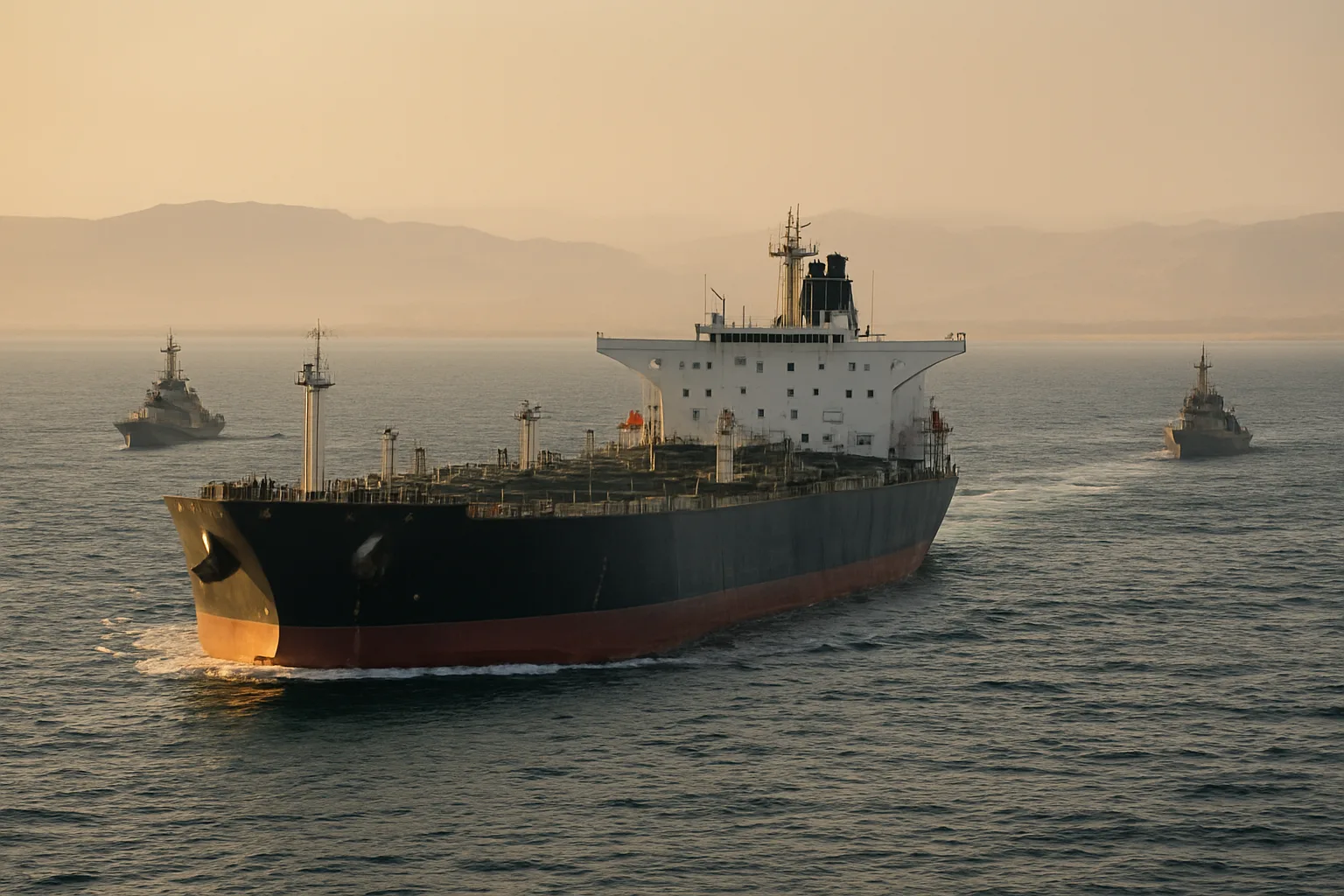
The obvious question is whether the Strait of Hormuz crisis could tip from manageable disruption into a full-blown shipping shock. The answer depends less on physical blockades—navies can sometimes escort shipping or clear mines—than on confidence. If charterers and insurers collectively decide the risk is intolerable, trade can choke even with the sea lanes technically open.
Some in Washington have already warned that allowing any single state or conflict to set a toll on a global waterway would create a dangerous precedent. That anxiety speaks to a deeper fear: that Hormuz could become a template for weaponizing other strategic maritime corridors, from the Suez Canal to key Asian straits.
At the same time, governments are trying to signal resolve without triggering outright escalation. Public debates over war funding, military strategy and red lines in the region are as much about calming markets as they are about domestic politics. Traders watch those hearings and statements for clues about whether tempers are cooling or flaring.
Winners, losers and the shifting trade map
Not everyone is losing from the current turmoil. Energy exporters with alternative routes or spare production capacity can benefit from higher prices. Ports and pipelines that bypass Hormuz—whether in the Gulf, East Africa, or the eastern Mediterranean—suddenly look more strategic, drawing fresh investment and diplomatic interest.
Conversely, import-dependent economies that rely heavily on Gulf energy are exposed. Rising fuel costs feed directly into inflation, weaken currencies, and complicate central bank efforts to tame prices. For developing countries already squeezed by debt and climate shocks, another spike in energy and shipping costs could push fragile finances into crisis territory.
There is also the climate angle. As North America grapples with the fallout from record-setting wildfires and cross-border air pollution, the idea of doubling down on fossil fuel chokepoints feels increasingly untenable. Yet in the short term, the world remains locked into a system where a narrow waterway off Iran can move markets in New York, Mumbai and Shanghai overnight.
What this means for the next phase of global trade
The 12.5% rise in global trade amid Strait of Hormuz disruptions is less a sign of resilience than a warning light on the dashboard. The global trading system is functioning, but it is doing so under rising stress, with more of its growth coming from inflated prices than from genuine expansion.
If tensions in Hormuz ease, some of that price pressure could unwind, bringing trade growth back into closer alignment with real economic activity. If they intensify, expect more volatility in energy markets, higher shipping costs, and fiercer debates in world capitals over how to protect vital sea lanes without stumbling into wider conflict.
Behind the spreadsheets and percentages, this is what the new UN trade data really says: in an era of weaponized interdependence, geopolitical flashpoints like the Strait of Hormuz can quietly rewrite the bill for doing business worldwide.
What This Means
Global trade up 12.5% in the middle of a Strait of Hormuz crisis is not a story of unshakable growth—it is a reminder that the world economy is paying more and more to outrun geopolitical risk. Unless the pressure on this chokepoint eases, that bill is likely to keep climbing.