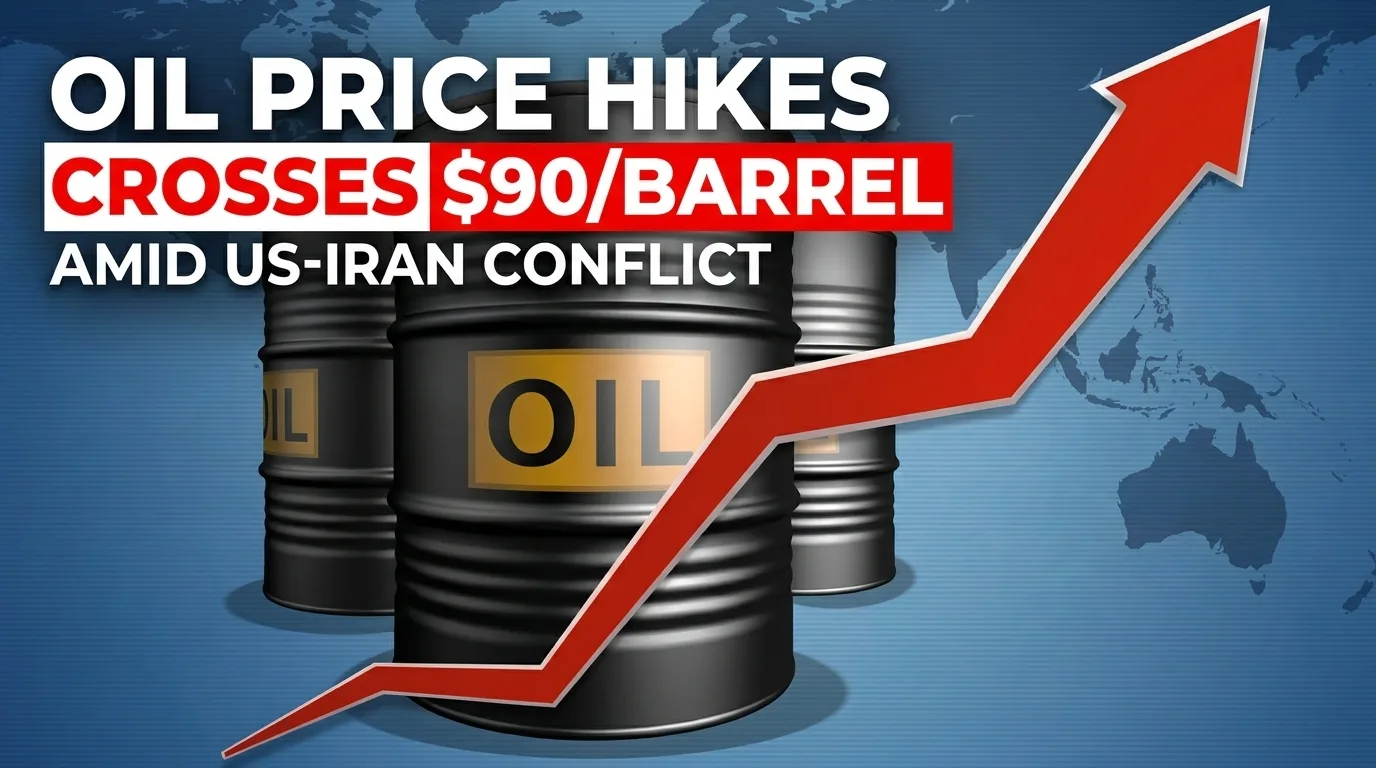
Energy analysts warned this week that a Hormuz slowdown could lift crude prices into triple digits, even as much of the market appears underprepared. In comments aired by CNBC on July 20, 2026, Amrita Sen of research firm Energy Aspects said the oil market is heavily short amid ongoing conflicts, and that Asian refiners in particular should not be complacent.
Hormuz slowdown: the immediate risk to prices
Sen’s assessment, reported by CNBC, centers on the market’s positioning. She said the prevalent short position across oil markets creates the potential for rapid price moves if supply disruptions or logistical bottlenecks linked to a Hormuz slowdown materialize. The warning underscores how fragile market sentiment can be when large parts of the trading community are betting on lower prices.
Why shorts amplify shocks
According to the CNBC coverage, the existing short bias means traders and funds have already positioned for a weaker market. That configuration can intensify price swings: when physical or geopolitical developments push prices higher, those short positions can unwind quickly, adding buying pressure and accelerating gains. Energy Aspects’ view is that such dynamics could send benchmark crude prices to triple-digit territory under the right circumstances.
Asia’s refining sector at risk
The CNBC item singled out Asian refiners as particularly exposed. With refineries in that region reliant on steady crude flows and tight margins that can be squeezed by higher feedstock costs, a sudden jump in oil prices would compound operational and commercial challenges. Energy Aspects’ Amrita Sen urged market participants in Asia not to assume continuity of supply or stable pricing given the current short positioning.
Implications for purchasing and inventories
While the CNBC piece did not provide specific inventory figures or procurement plans, the message to refiners was clear: a Hormuz slowdown could disrupt sourcing strategies. Firms that have not hedged adequately or that lack flexible supply options may face sharper pain if prices rise rapidly and feedstock deliveries slow.
Market complacency despite geopolitical tensions
CNBC’s report emphasized that, even as conflicts persist in various regions, the market retains a level of complacency because of its short stance. Energy Aspects cautioned that this complacency could be misplaced. The firm’s analysis suggests that current positions understate the upside risk to prices if the operational environment deteriorates or if traders reassess the probability of supply constraints tied to a Hormuz slowdown.
Price volatility and trading behavior
When markets are heavily short, volatility can spike as shorts rush to cover. CNBC’s coverage relayed Energy Aspects’ view that such dynamics would magnify any initial price response to supply worries, creating a feedback loop of rising prices and accelerating buy-ins. That pattern historically produces outsized moves in a compressed timeframe.
Practical steps for market participants
While the CNBC summary did not list prescriptive actions, the implications from Energy Aspects’ remarks are evident: risk managers, refiners, and traders should reassess exposure and contingency plans. For Asian refiners and other buyers dependent on uninterrupted flows, the advice was to avoid complacency and consider hedging, staggered purchasing, or alternative logistics to mitigate the potential for sharply higher costs if a Hormuz slowdown unfolds.
Limitations of the current assessment
CNBC’s report relayed the perspective of Energy Aspects and Amrita Sen; it did not provide additional independent data on supply disruptions or quantify the probability of specific scenarios. The discussion framed possible outcomes given present market positioning and ongoing conflicts, rather than predicting an inevitable price path.
Final Verdict
Energy Aspects’ warning, as reported by CNBC on July 20, 2026, is a clear reminder that market structure matters. A Hormuz slowdown remains a contingent risk with the potential to push oil into triple digits, particularly because the market is currently heavily short. Asian refiners and other buyers should treat the present calm as fragile and re-evaluate preparedness for a rapid price shock rather than rely on complacency.