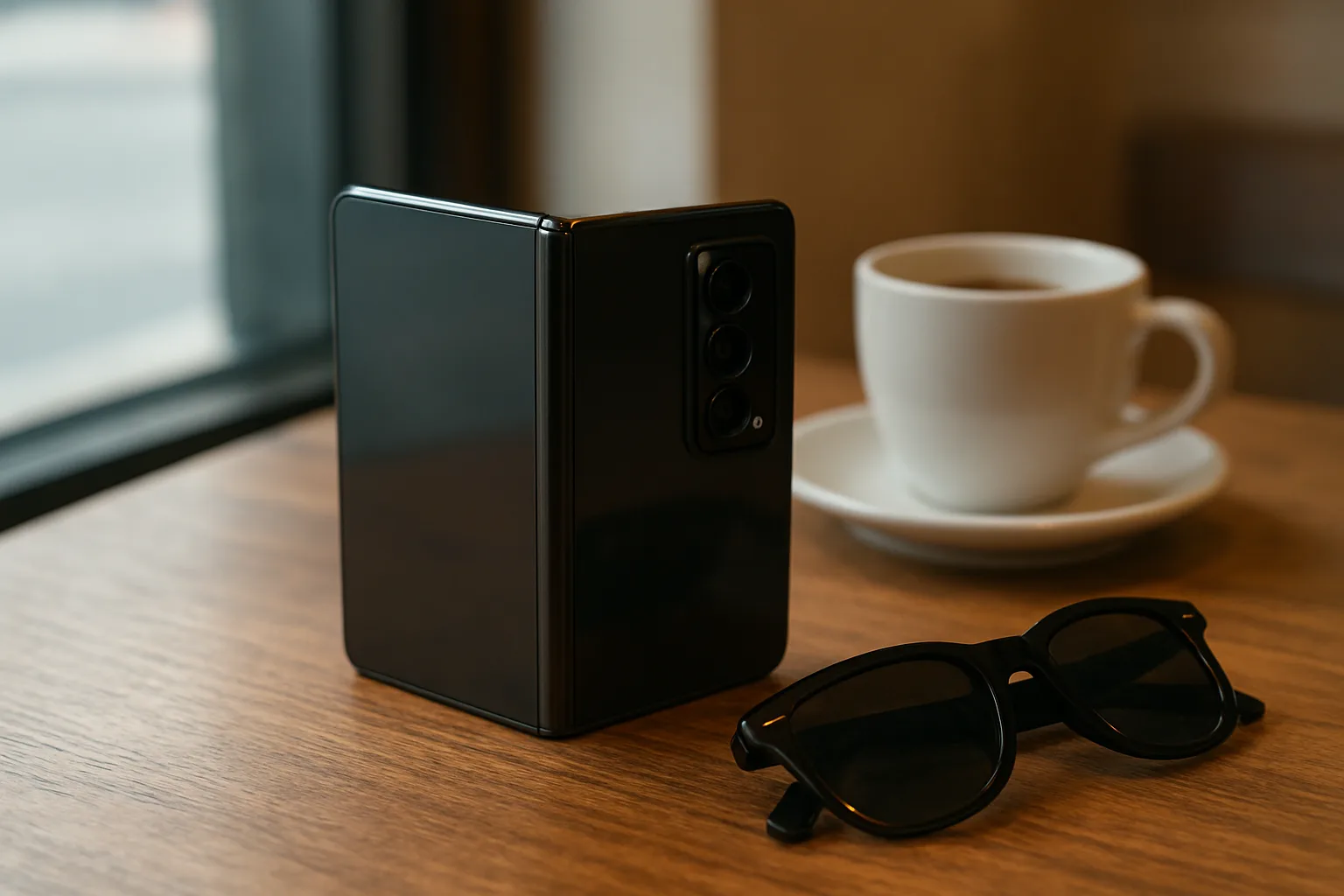
The Samsung Galaxy Z Fold 8 is supposed to be the camera champ of Samsung’s new foldables, but after more than 650 shots across the Galaxy Z Fold 8 and Galaxy Z Fold 8 Ultra, it’s the so-called lesser model that keeps ending up in my hand.
On paper, the Ultra is the obvious pick. Bigger, pricier, loaded with extra hardware — it’s the phone that screams “use me” if you care about photography. Yet the Galaxy Z Fold 8 has quietly become my default camera phone, not because it wins every side-by-side comparison, but because it nails the balance of usability, reliability, and just enough image quality to make me forget about the spec sheet.
Galaxy Z Fold 8 vs Fold 8 Ultra: Why the Specs Don’t Tell the Whole Story
Stack the Galaxy Z Fold 8 and Z Fold 8 Ultra spec sheets together and the Ultra looks like the obvious winner. It’s the halo device in Samsung’s foldable lineup, tailored for people who want maximum everything — including camera hardware.
But living with both phones tells a different story. After hundreds of photos across city streets, coffee shops, parks, and low-lit interiors, the Fold 8 is the phone I actually want to shoot with day to day. The Ultra might edge it in a zoom crop here or a night scene there, but the Fold 8’s “good enough plus” approach is a better fit for how most people actually take photos.
This isn’t about one dramatic flaw with the Ultra. It’s about a pile of small, practical advantages on the Fold 8 side: how quickly you can get to the camera, how easy it is to frame a shot on a slightly smaller body, how confident you feel that the photo you just took will look right without babysitting the settings.
The Galaxy Z Fold 8 Camera Experience Just Feels Right
The focus keyword here is experience, and that’s where the Galaxy Z Fold 8 quietly pulls away. When you’re juggling a foldable that’s already bigger and heavier than a standard slab phone, every gram and every millimeter matters. The Fold 8’s more manageable size and weight make it far less of a hassle to whip out for quick shots.
That matters more than you’d think. A camera phone is only as good as the photos you actually take with it, and the Fold 8 is the one I’m comfortable carrying everywhere — not just on days when I’m deliberately going out to test it. It’s easier to hold one-handed on the cover screen, more stable when braced for a low-angle shot, and less fatiguing when you’re firing off dozens of photos in a row.
Image quality still counts, of course. Across those 650-plus photos, the Fold 8 consistently produced punchy colors, strong HDR, and sharp detail in daylight, with enough low-light competence that I wasn’t afraid to keep shooting as the sun went down. The Ultra can squeeze out more detail when you really push it, but the Fold 8 rarely gives you a bad shot. Most of the time, that reliability is worth more than a marginal technical win in a handful of tricky scenes.
When the Ultra’s Camera Hardware Actually Helps
That doesn’t mean the Galaxy Z Fold 8 Ultra is a fraud. If anything, using both phones highlights exactly where the extra hardware really pays off — and where it doesn’t.
The Ultra’s camera system is most useful in edge cases: long zoom shots where you’re trying to read a sign on a building across a plaza, or situations where you’re deliberately pixel-peeping tiny details in the background. If you’re the sort of person who routinely crops heavily into your photos, the Ultra’s extra reach and resolving power can make a visible difference.
It’s the same story at night. The Ultra is more ambitious, pushing harder on exposure and detail. Used carefully, you can get results that look a bit cleaner and more controlled. But you’re working for those wins — holding the phone more steadily, waiting that extra beat for the shutter, checking for noise and motion blur.
Most people won’t baby their camera like that. With the Fold 8, you can shoot quickly and let the phone do the heavy lifting. You might give up a sliver of sharpness in the dimmest corners, but you gain a lot in terms of confidence: tap, capture, move on.
The Everyday Camera Phone Test
Here’s the real test I kept coming back to: which phone did I reach for when I wasn’t “testing” — when I just wanted a nice shot of a friend at dinner, or a quick snap of a street performer before the moment disappeared?
Over and over, that phone was the Galaxy Z Fold 8.
It passed what I’d call the everyday camera phone test. It’s small enough, by foldable standards, that I don’t think twice about slipping it into a pocket on a quick run to the store. The cover screen is comfortable to use as a viewfinder, and opening the phone to use the big inner display for framing a group shot feels like a bonus, not a necessity.
On the Ultra, everything is just slightly more demanding. The extra size and heft are tolerable when you’re intentionally going out to shoot, but they’re enough of a barrier that I hesitated more often. The end result: fewer candid photos, fewer quick snaps, more “I’ll grab that shot next time” regrets.
That gap only widens the longer you use both phones. After hundreds of photos, my gallery told the story clearly: the Fold 8 wasn’t just keeping up, it was winning by sheer volume. More photos from more moments — and that matters far more than a minor quality advantage on a smaller pile of images.
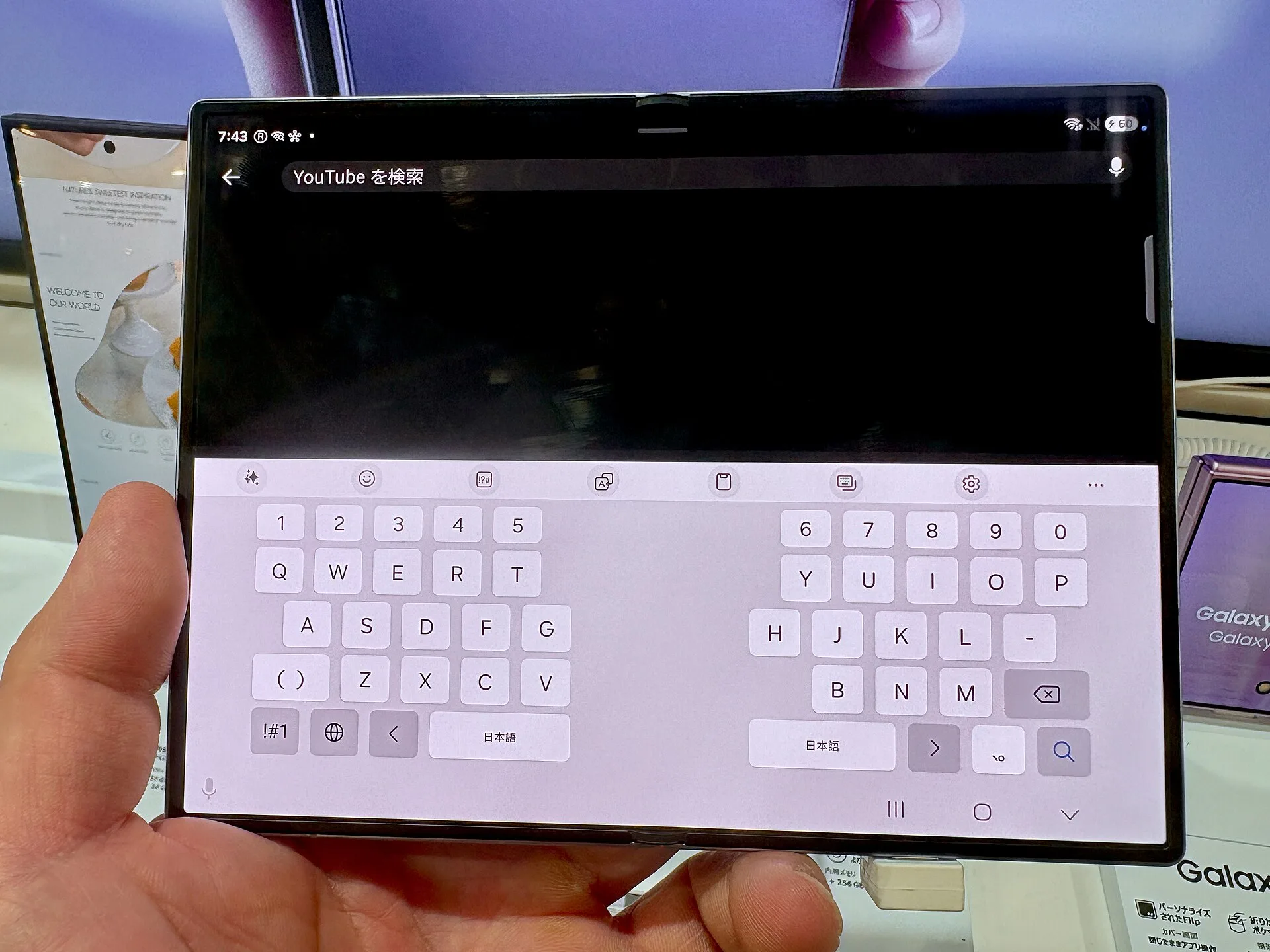
How the Foldable Form Factor Changes Photography
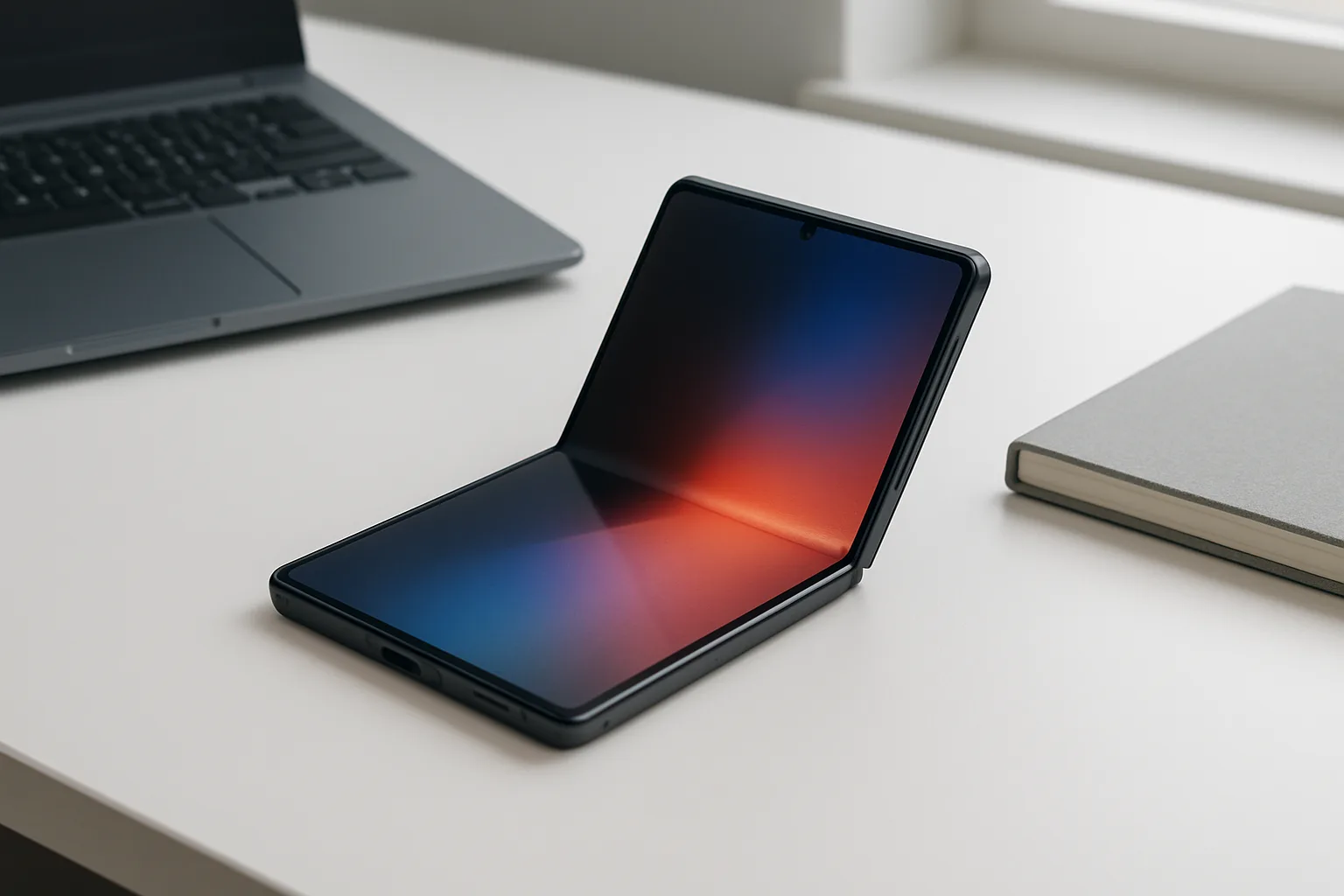
Both the Galaxy Z Fold 8 and Fold 8 Ultra have a trick no slab phone can match: that folding form factor. Prop either phone half open on a table and you get an instant mini tripod for long-night shots or group selfies. Flip them to a low angle and you can compose from ground level without lying on the sidewalk.
In that context, the differences between the two phones shrink even more. The Ultra’s hardware is better suited to niche scenarios, but the core “foldable camera” experience is shared. You can get creative with angles, leave the phone standing on a bar counter to capture a scene over time, or use the big internal display as a giant viewfinder for more deliberate framing.
That’s where the Fold 8’s practicality becomes a real advantage. When the hardware makes you more willing to experiment, you end up with more interesting photos. I spent more time propping the Fold 8 on benches, railings, and café tables simply because it felt less precarious — less likely to topple off or draw attention as an oversized slab of glass.
What Power Users Will Still Love About the Fold 8 Ultra
None of this is to say you should ignore the Galaxy Z Fold 8 Ultra. If your priority is squeezing every last drop of detail out of your shots, and you don’t mind lugging the biggest, most expensive foldable around, it still has a strong appeal.
It’s the better choice if you live on a tripod, if you edit aggressively, or if photography is the primary reason you even care about foldables in the first place. You’ll appreciate the extra latitude when you start tweaking shadows and highlights or cropping aggressively into a skyline.
But there’s a difference between the best camera on paper and the best camera phone to actually live with. Shooting across well over 650 photos made that distinction obvious: the Ultra is the technical flagship, but the Fold 8 is the friendlier companion.
How to Choose Between the Galaxy Z Fold 8 and Fold 8 Ultra
If you’re standing at a store counter wondering which of these two foldables to buy, here’s the simple way to think about it from a camera perspective.
- If you want the absolute best image quality, and you’re willing to accept more bulk and effort to get it, the Galaxy Z Fold 8 Ultra is the logical pick.
- If you care more about capturing more moments with less friction, the Galaxy Z Fold 8 is the better camera phone, even if it’s not technically the best camera.
That second point is the one people tend to underestimate. Photography is about trade-offs: you balance quality, speed, comfort, and convenience. With these two foldables, the Fold 8 simply hits that balance more cleanly for real-world use.
What This Means
The Galaxy Z Fold 8 and Fold 8 Ultra are both expensive, ambitious devices, and neither is a bad choice for photography. But after hundreds of real shots in real situations, the verdict is clear: the “worse” camera phone is the one I actually trust to capture my life.
That says something bigger about where phone cameras are right now. We’re deep into the era of diminishing returns on raw hardware. The wins that matter aren’t always more megapixels or another lens — they’re the subtle design and usability decisions that decide whether you pull the phone out in time, whether you keep shooting after the first photo, whether you feel confident that what you captured will look good without extra work.
For me, the Galaxy Z Fold 8 is that phone. It’s the foldable that proves you don’t need the Ultra badge to get a genuinely great camera experience — you just need a device that fits your hand, your pocket, and your everyday life well enough that you never stop taking pictures.
Photo: Kyu3a / CC BY-SA 4.0 via Wikimedia Commons