The Galaxy Z Fold 8 Ultra is exactly what longtime foldable fans have been asking for: a bigger canvas, better cameras, a tougher screen and a bigger battery. It’s also a $2,099.99 reminder that the future of phones still carries a luxury tax.
Samsung’s new flagship foldable sits at the top of its 2026 lineup, above the wider, shorter Galaxy Z Fold 8 and alongside the Galaxy Z Flip 8. The Galaxy Z Fold 8 Ultra keeps the tall book-style silhouette we’re used to, but layers on a quieter kind of upgrade: hinge tweaks, a flatter inner display with a less distracting crease, and a massive 200MP main camera. On paper, and in the hand, this feels like Samsung’s most mature foldable yet.
Galaxy Z Fold 8 Ultra: specs, size and price
The Galaxy Z Fold 8 Ultra starts at $2,099.99, a full $200 more than the regular Galaxy Z Fold 8. Both phones share the same core platform — the same processor, RAM and storage tiers — but the Ultra goes bigger and harder on nearly every other spec.
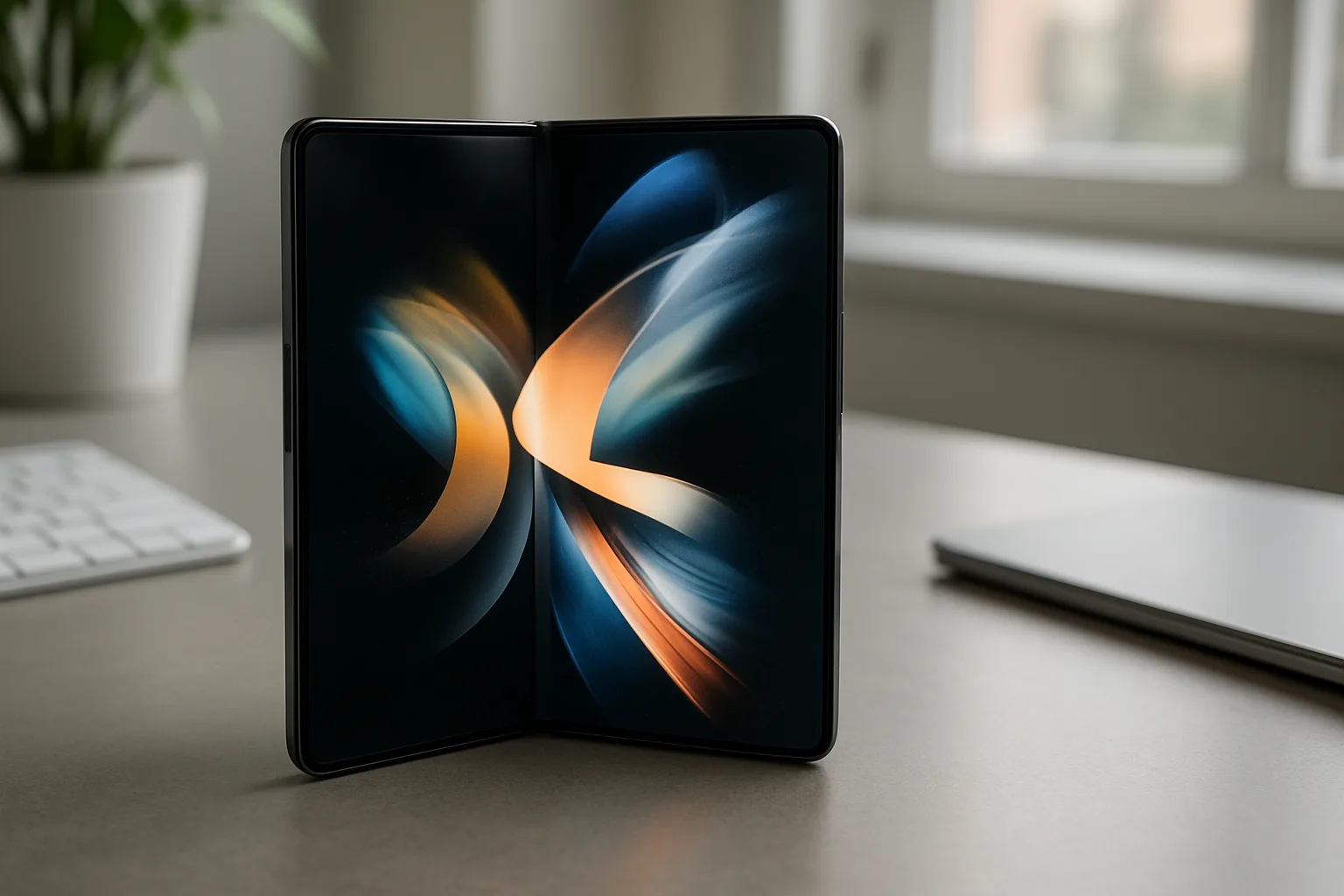
Folded, the Galaxy Z Fold 8 Ultra measures 158.4 x 72.8 x 8.9mm. Unfolded, you’re looking at 158.4 x 143.2 x 4.1mm, with a 6.5-inch cover display on the front and an 8-inch main flexible OLED panel inside. It’s slightly thinner than the standard Fold 8 when open, but also a bit taller and narrower overall, making it feel instantly familiar if you’ve used the Galaxy Z Fold 7.
The regular Galaxy Z Fold 8, by contrast, shifts to a shorter, wider design with a 5.5-inch outer screen and a 7.6-inch inner panel. That difference in footprint is the first big fork in the road if you’re choosing between the two: the Ultra sticks with the tall phone-slash-tablet vibe, while the Fold 8 leans more into mini-tablet territory when open.
Weight is still a consideration. The Galaxy Z Fold 8 Ultra comes in at 215 grams, compared with 201 grams for the smaller Fold 8. You feel that extra heft, but the Ultra’s dimensions and improved ergonomics do a lot of work to keep it manageable for one-handed use.
Design and ergonomics: subtle changes, big impact
At a glance, the Galaxy Z Fold 8 Ultra looks almost identical to last year’s model. The camera stack on the back, the tall front screen, the familiar book-style hinge — it’s all very conservative. The real story is in the details.
Samsung has rounded off the corners and softened the edges, addressing one of the long-standing complaints about its larger foldables: sharp rails digging into your palms. The Galaxy Z Fold 8 Ultra feels notably more comfortable to grip than the Fold 7, especially if you tend to clamp your phone tightly while doomscrolling or gaming.
The hinge has also been reworked. The groove between the two halves when the phone is closed is slightly deeper, which gives your thumb more purchase when you’re prying it open. Combined with a refined hinge mechanism that requires less force, the Galaxy Z Fold 8 Ultra is easier to open and close with one hand. It’s a small quality-of-life tweak you immediately notice.
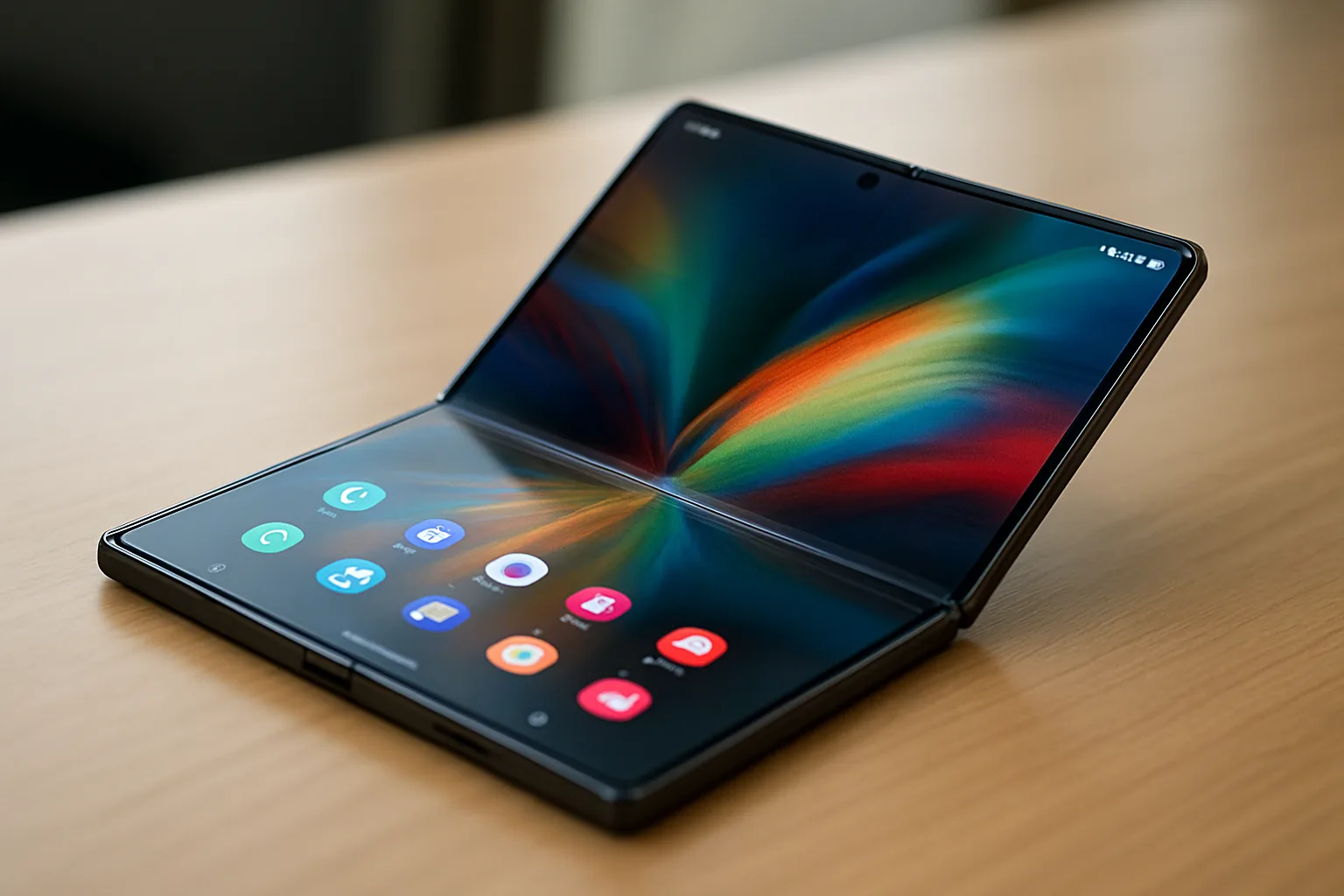
Durability gets a boost under the hood. Samsung is using a new Flex Titanium display architecture, including a titanium plate beneath the inner panel. The result: a flatter, more rigid surface, less flex when you press down, and a crease that’s less obvious to the eye and finger.
The inner display finally feels premium
The 8-inch main screen is where the Galaxy Z Fold 8 Ultra really separates itself from older models and from the regular Fold 8. The panel still runs at 120Hz, but resolution and pixel density have been bumped, landing at around 422ppi, up from the previous generation’s mid-300s. Text looks cleaner, fine UI elements are sharper, and high-res photos finally feel properly detailed on a foldable this size.
Brightness is another leap. The Galaxy Z Fold 8 Ultra’s inner display can reach a peak 3,000 nits, backed by Samsung’s Vision Booster tuning. In practice, that means you can actually use the main screen outdoors without angling yourself away from the sun like a vampire. HDR content has more punch, and daytime web browsing doesn’t immediately send you back to the cover display.
The crease is still there if you go looking for it, but it’s far less distracting. With the new hinge and under-panel titanium plate, the fold line is shallower and more uniform. When you’re looking straight on, the display appears almost flat. You mainly notice the crease only when light hits it at an angle or in very dim scenes.
Samsung has also added an anti-reflective coating to cut down on glare, tackling one of the big annoyances with earlier Galaxy Z Fold screens. The old plasticky sheen that would catch every overhead light has been toned down significantly. Even around 50% brightness, reflections are far better controlled, so reading or watching video feels closer to a high-end tablet than a fragile prototype.
Cover display and colors: familiar, but refined
The 6.5-inch cover display on the Galaxy Z Fold 8 Ultra sticks with the tall, phone-like aspect ratio that Fold owners are used to. It has a higher resolution than the Fold 8’s outer panel, and it’s still the screen you’ll be using most for quick tasks. If you hated the narrow outer screen on the Fold 7, the Ultra won’t change your mind — that’s what the wider Galaxy Z Fold 8 is for.
Samsung is keeping the color palette restrained but slightly playful. Both big foldables come in Graphite and Cream, while the Galaxy Z Fold 8 Ultra adds a Violet Shadow finish and an online-exclusive Green Shadow option. It’s the same basic formula as before: subdued base tones, with one or two more expressive shades for people who refuse to live with another gray slab.
Battery, charging and everyday stamina
The Galaxy Z Fold 8 Ultra packs a 5,000mAh battery, a modest but welcome bump over the regular Fold 8’s 4,800mAh cell. On a device driving two large, bright OLED panels, every milliamp-hour helps, and this is the biggest battery Samsung has ever put in a Z Fold.
Charging speeds are finally catching up as well. Both the Ultra and the standard Galaxy Z Fold 8 support 45W wired charging (Samsung’s Super Fast Charging 2.0) and 20W wireless charging. In practical terms, Samsung says the Ultra can now go from empty to roughly two-thirds full in 30 minutes, despite the larger battery, which is a notable improvement over the previous generation’s halfway mark in the same time.
Wireless PowerShare is still here, so you can reverse-charge earbuds or a watch off the back of the phone. What you won’t find are built-in magnets for MagSafe-style accessories — the Ultra is “Qi2 ready,” but you’ll still need a compatible case if you want to slap on magnetic wallets or stands.
Cameras: Ultra finally means ultra
If you care about photography, the Galaxy Z Fold 8 Ultra is the obvious pick in Samsung’s 2026 foldable lineup. While both big foldables share a 50MP ultrawide camera, a 10MP selfie camera inside, and a 10MP cover camera, the Ultra gets the serious hardware upgrades.
The main rear camera jumps to a 200MP sensor, compared with the standard Fold 8’s 50MP shooter. That gives Samsung more room for pixel binning tricks, better low-light performance, and more flexibility for cropping without destroying detail. It’s the kind of upgrade that should finally put the Ultra’s main camera on par with the best slab flagships rather than a half-step behind.
On top of that, the Galaxy Z Fold 8 Ultra adds a dedicated 10MP telephoto lens with 3x optical zoom and up to 30x digital zoom. The regular Fold 8 simply doesn’t have that lens. It’s not about chasing ridiculous zoom numbers so much as giving you a proper portrait and mid-range zoom option, which has been a missing piece on many foldables.
Performance, software and AI
Under the hood, the Galaxy Z Fold 8 Ultra runs on the latest Qualcomm flagship processor, paired with the same RAM and storage configurations as the Fold 8. Multitasking, gaming and heavy productivity tasks are exactly where a device like this should shine, and the hardware here is clearly built to handle it.
The more interesting part is on the software side. Samsung is leaning hard into AI this year, baking deeper assistants and smarter features directly into its apps. You can offload more tasks to voice commands, whether that’s drafting text, summarizing notes, or controlling device functions while the phone is propped up in Flex mode.
Google’s Gemini Intelligence system is along for the ride too, with support for over 40 apps. Paired with Samsung’s own multitasking tricks — split-screen, floating windows, taskbar shortcuts — the Galaxy Z Fold 8 Ultra starts to feel less like a big phone and more like a pocket productivity machine.
Samsung is also smoothing the path for people switching ecosystems. An updated Smart Switch experience lets iPhone users move over more easily, including via a simple QR-code workflow instead of juggling cables and adapters. It’s a small but important move if Samsung wants foldables like the Galaxy Z Fold 8 Ultra to appeal beyond the Android faithful.
Galaxy Z Fold 8 vs Galaxy Z Fold 8 Ultra: which should you buy?
On a spec sheet, the two big 2026 foldables look almost identical. Same processor, same memory and storage options, same IP48 rating for dust and water resistance, same charging specs, and similar camera resolutions for everything except the main lens and telephoto.
The real differences come down to three things: design, display and cameras.
- Design and size: The Galaxy Z Fold 8 Ultra is taller and narrower, closer to a traditional smartphone when closed and a compact tablet when open. The regular Galaxy Z Fold 8 is shorter and wider, with a front screen that feels more like a conventional slab phone and a slightly smaller 7.6-inch inner display.
- Display quality: Both use Samsung’s new, more durable Flex Titanium display tech, but the Ultra’s panels are larger and pack higher resolutions.
- Cameras: The Ultra’s 200MP main camera and extra 10MP 3x telephoto lens put it clearly ahead of the Fold 8 for photography and zoom versatility.
Then there’s the price. The Fold 8 starts at $1,899.99; the Galaxy Z Fold 8 Ultra starts at $2,099.99. That $200 gap buys you a bigger, sharper screen, a slightly larger battery, and a meaningfully better camera system.
What This Means
The Galaxy Z Fold 8 Ultra isn’t a radical rethink of the foldable phone. It’s the opposite: a careful, expensive edit of a design Samsung has been refining for years. The dimensions barely change from the Fold 7, the silhouette is familiar, and the hinge still folds the same way. But the experience has been sanded and polished almost everywhere you look.
If you’re already using a Galaxy Z Fold 7, the Galaxy Z Fold 8 Ultra will feel instantly comfortable — just nicer to hold, easier to open, brighter to use outdoors, and more capable as a camera. If you’re coming from a regular slab phone, this is Samsung’s most convincing argument yet that a book-style foldable can be your primary device without constant compromise.
The catch is obvious: price. At $2,099.99, the Galaxy Z Fold 8 Ultra is firmly in premium territory, even by foldable standards. For many people, the cheaper and slightly more compact Galaxy Z Fold 8 will make more sense, especially if you prefer its wider cover screen. But if you want the best Samsung foldable you can buy right now — the sharpest foldable display, the biggest battery, and the most versatile camera setup — the Galaxy Z Fold 8 Ultra is exactly what its name promises.