Samsung’s new Galaxy Watch 9 and Galaxy Watch Ultra 2 aren’t just counting your steps — they’re watching for the first hints that you might be getting sick. With a heavy push into AI-powered health tracking, these wearables turn passive fitness data into proactive warnings, putting the idea of an AI health companion squarely on your wrist.
Galaxy Watch 9 and Watch Ultra 2: AI health takes center stage
The headline for both the Galaxy Watch 9 and Galaxy Watch Ultra 2 is simple: AI health. Samsung is using its Galaxy AI platform to power a new feature called Vitals, designed to spot subtle shifts in your body that could signal early illness, excess strain or poor recovery — long before you’d think to grab a thermometer.
Rather than fixating on a single stat, Vitals leans on five biometric signals and builds a personalised baseline over time. Deviations from that baseline are what matter, turning day-to-day fluctuations into something actually useful instead of just another chart in an app.
How AI Vitals works: five signals, one warning
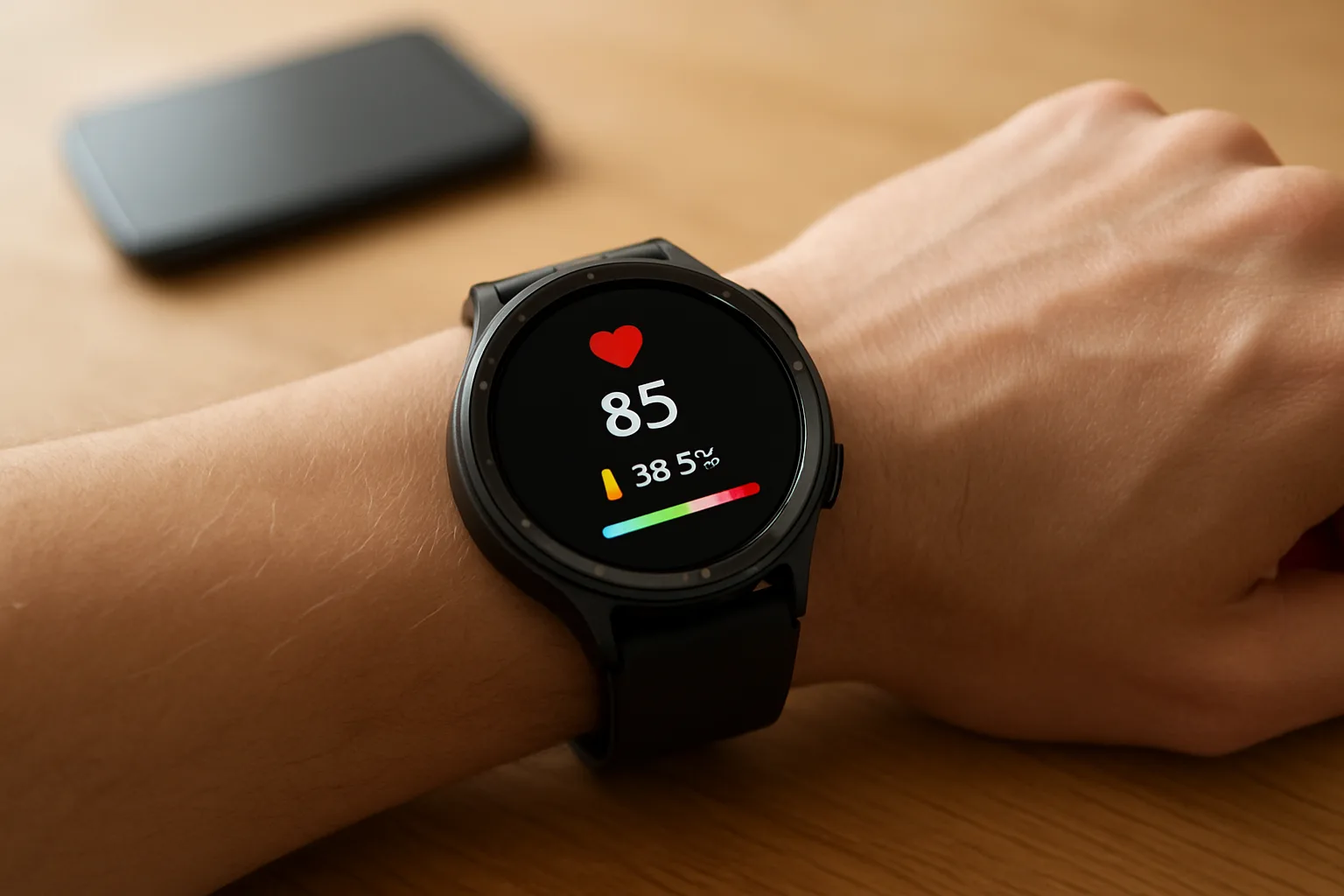
Vitals is the marquee AI feature on Samsung’s latest smartwatches, and it’s more than a glorified heart-rate alert. The Galaxy Watch 9 and Galaxy Watch Ultra 2 continuously monitor:
- Heart rate
- Heart rate variability (HRV)
- Respiratory rate
- Skin temperature
- Blood oxygen saturation (SpO2)
Over days and weeks, the watches learn what “normal” looks like for you. If several of those metrics drift away from your usual range at the same time, the AI health system flags it. That might mean your body is under more stress than usual, you’re not bouncing back well from workouts, or you could be at the start of an illness.
Crucially, Samsung isn’t positioning AI Vitals as a medical diagnosis engine. The alert is more of a nudge: take it easy, sleep more, maybe rethink that late-night workout or extra drink. In other words, it’s a preventative tool, not a replacement for a doctor.
Sleep, stress and wellness: a fuller health picture
AI Vitals is part of a broader shift toward whole-body monitoring on the Galaxy Watch 9 and Watch Ultra 2. Sleep tracking has been upgraded again, and both watches keep the existing set of advanced sleep tools: detailed sleep stages, sleep coaching and sleep apnea detection.
By combining overnight data with those daytime biometrics, Samsung is clearly trying to give you a 24/7 snapshot of how your body is doing, not just how fast you ran a 5K. If your respiratory rate and skin temperature spike overnight while your HRV tanks, for example, that’s the kind of pattern the AI health features are designed to notice.
The watches still track stress and offer guided breathing exercises, which tie neatly into the Vitals story. If the watch thinks your body is under strain, it can also surface tools to help you calm down or wind down, instead of waiting for you to remember they exist.
Battery life finally matches the ambition
AI-driven features like Vitals only work if the watch actually spends its time on your wrist instead of on a charger. Samsung is tackling that with improved battery life on both the Galaxy Watch 9 and Galaxy Watch Ultra 2, an under-the-hood upgrade that matters more than another processor spec.
Longer endurance means you can keep the watch on through the day and night, including workouts, commutes and sleep, without constantly worrying about topping up. That continuous data stream is what lets AI Vitals build an accurate baseline, and it also sharpens sleep analysis, recovery metrics and fitness tracking. The promise is simple: charge less, monitor more, and get warnings that are grounded in weeks of context instead of a random snapshot.
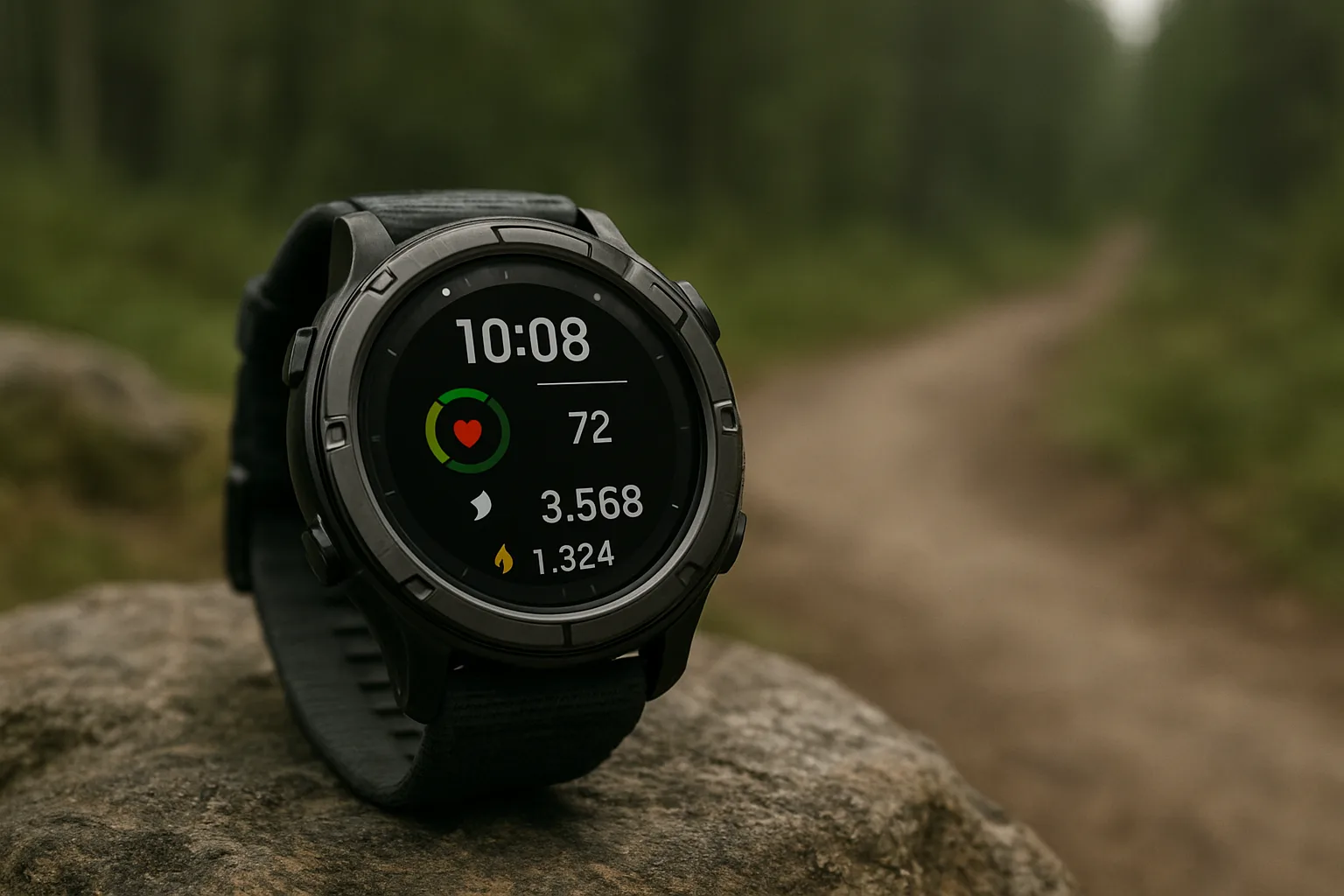
Galaxy Watch 9 vs Galaxy Watch Ultra 2: everyday health or outdoor edge?
Samsung is clearly splitting its lineup into two personalities. The Galaxy Watch 9 is the mainstream choice: a general-purpose smartwatch with AI health features for people who care as much about notifications and style as they do about VO2 max.
The Galaxy Watch Ultra 2, meanwhile, is pitched as the tougher sibling for outdoor enthusiasts and serious athletes. It packs the same core AI health tools — including AI Vitals and advanced sleep tracking — but layers them onto a more rugged design with durability geared toward harder use. If your “rest day” includes a trail run, the Ultra 2 is the one Samsung wants you to look at.
Both models still cover the expected basics: GPS for workouts, optical heart-rate tracking and a wide set of activity modes. The difference is how they frame that data. Instead of just logging your hike or run, the watches are trying to tell you how your body is responding over time, and whether you’re pushing too hard or not hard enough.
Galaxy AI moves firmly onto your wrist
The Galaxy Watch 9 and Watch Ultra 2 also deepen Samsung’s broader Galaxy AI ecosystem. Until now, most of the AI conversation around Samsung has been about phones and productivity. With AI Vitals and the rest of the wellness toolkit, that push extends fully into wearables.
The watches feed continuous, sensor-rich data into the same general AI strategy that powers newer Galaxy smartphones. It’s an obvious move: wearables collect the kind of intimate, long-term information that makes AI insights genuinely personal. Smart suggestions around rest, training load or even daily habits feel far more useful when they’re grounded in your own heart rate, skin temperature and sleep patterns.
It also sets up Samsung’s wearables to become a bigger part of your connected routine. If your watch spots that you’re run down, it’s not hard to imagine future Galaxy AI features nudging your phone to silence notifications earlier, or adjusting your smart home to help you get more rest.
Preventive health, not just fitness bragging rights
On paper, none of this sounds as flashy as a new display or radical redesign. But for smartwatches, preventive health is arguably the more important frontier. Activity rings and step goals are table stakes. Being able to say, “Something looks off, maybe slow down,” is where AI health features like Vitals start to matter.
The fine line is expectations. These are still consumer wearables, not medical devices. Early illness alerts based on changing biometrics are inherently probabilistic — they’ll sometimes be overcautious, and no watch can see everything coming. But used as a prompt to pay more attention, rest, or talk to a professional, the Galaxy Watch 9 and Watch Ultra 2 could shift how people think about wrist-worn tech.
They also align with a broader trend across the industry: taking more measurements, more often, and having AI make sense of it all. Heart rate, HRV, sleep apnea detection, respiratory rate, temperature and SpO2 each tell part of the story. AI Vitals is Samsung’s attempt to turn that into a narrative you can act on.
What This Means
The Galaxy Watch 9 and Galaxy Watch Ultra 2 are Samsung’s clearest sign yet that the future of wearables is AI health, not just prettier watch faces. By anchoring their pitch around AI Vitals — and backing it up with longer battery life, sleep apnea detection and robust fitness tracking — these watches push the category toward proactive wellness rather than passive tracking.
If Samsung can keep refining the AI models, and if users actually listen when their wrists tell them to slow down, the Galaxy Watch 9 and Watch Ultra 2 could mark the moment when smartwatches stop being fitness accessories and start feeling more like early warning systems for your everyday health.