Ebola’s latest surge in eastern Congo is a brutal reminder of how quickly a deadly virus can outrun the systems meant to contain it. In what has become the fastest-growing Ebola outbreak on record, more than 1,700 people have died in eastern Congo as the virus spreads faster than health workers can track.
Health authorities say this outbreak, centered in the country’s Ituri province and surrounding areas, has now reached 3,802 recorded cases and 1,707 deaths as of Tuesday. Those raw numbers only hint at the scale of the emergency — and how little certainty there is about where it goes next.
The fastest-growing Ebola outbreak yet
The central fact driving global concern is simple: this is now the fastest-growing Ebola outbreak ever documented. The case count is climbing faster than field teams can identify, test, and isolate patients, a race that public health systems usually need to win to bring Ebola under control.
Officials point out two especially worrying details. First, the outbreak’s growth has outpaced surveillance. New infections are appearing more quickly than teams can trace contacts or map chains of transmission. Second, the earliest case that sparked this crisis — the so‑called patient zero — still has not been identified. That missing piece leaves a gap in understanding how and where the virus first crossed into humans in this episode, and whether there are still hidden reservoirs of infection.
Without that origin story, containment becomes more guesswork and less precision. Every unknown case, every untraced contact, is a potential spark for a new cluster.
Eastern Congo at the center of the crisis
The current Ebola outbreak is concentrated in eastern Congo, with the town of Bunia and the broader Ituri province near the heart of the response. Health officials have made repeated visits to the region as the numbers have climbed, underscoring both the gravity of the situation and the uncertainty about what comes next.
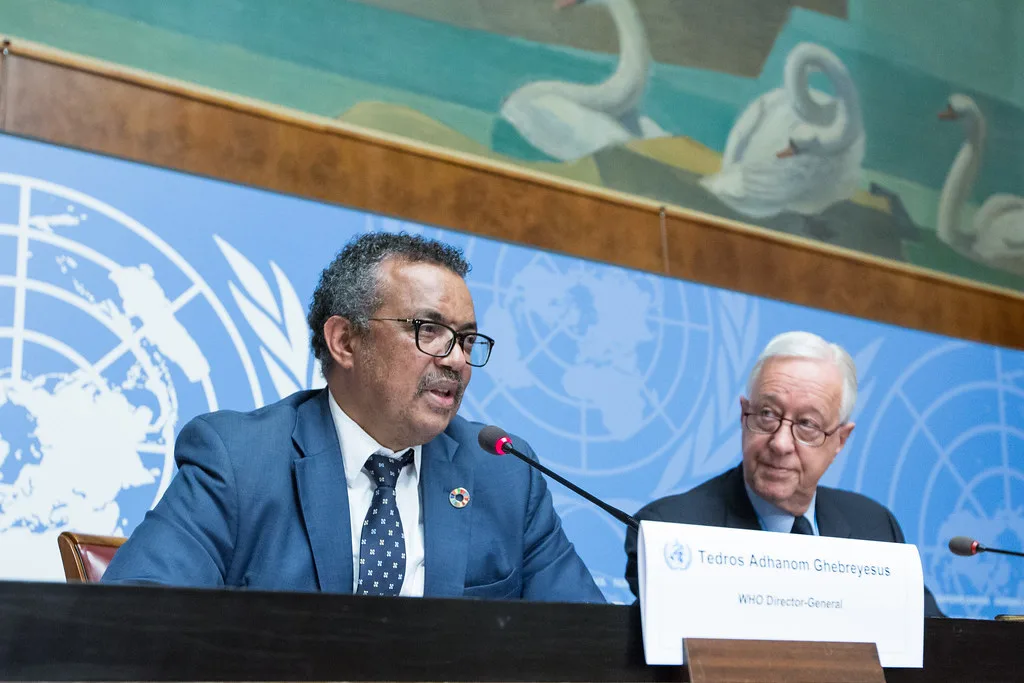
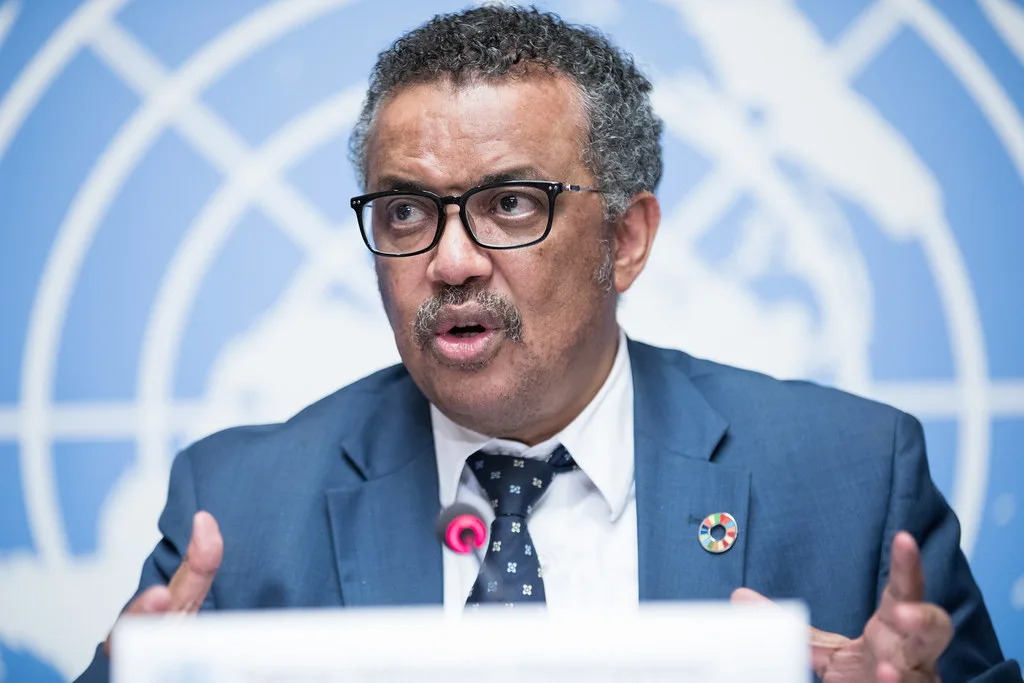
On a second visit to Bunia this week, the head of Africa’s continent‑wide health agency acknowledged a hard truth: no one can say with confidence when this outbreak will peak. That uncertainty is not just a statistical problem. It shapes everything from how many treatment beds are needed to how long neighboring regions must maintain heightened surveillance.
Local communities, already carrying the weight of conflict, displacement, and fragile health systems, are now facing a virus with a fatality rate that can be devastating even in the best-equipped hospitals. In many affected areas, there is no such luxury. Clinics are thinly staffed. Labs are far away. Protective equipment is limited. And every delay favors the virus.
Why speed matters so much with Ebola
Ebola is dangerous not just because of how lethal it can be, but because of how much damage it can do in a short amount of time when health systems are stressed. The faster an outbreak grows, the more it stretches every part of the response: testing, contact tracing, isolation, treatment, even basic data reporting.
In eastern Congo, those cracks are showing. When cases surge faster than contact tracers can move, it becomes harder to break chains of transmission. Family members caring for sick relatives, health workers in overcrowded facilities, and mourners at traditional funerals can all become exposed before anyone knows a patient is infected.
Unlike respiratory infections that spread through the air, Ebola typically spreads through direct contact with the bodily fluids of someone who is sick or has died of the disease. That should, in theory, make it easier to contain. But as this outbreak shows, theory and reality can drift far apart when surveillance systems are overwhelmed.
Life and death behind the numbers
Behind the figure of 1,707 deaths are stories like the 6‑month‑old girl whose June funeral in Bunia drew grieving Catholic nuns and community members. Infant deaths from Ebola are particularly wrenching, both medically and emotionally. Babies can deteriorate quickly, and their care often involves close physical contact with adults who may not realize they are at risk.
For families, the speed of this outbreak means devastating loss can unfold in days. A single undetected case can ripple through a household or a neighborhood, leaving a trail of infections that only becomes visible once fever, bleeding, and other classic symptoms appear — sometimes too late for effective treatment.
The global health system on its back foot
This Ebola outbreak in eastern Congo is also a stress test for global health preparedness. Years of investment in rapid response teams, laboratory networks, and cross‑border coordination were built with exactly this sort of crisis in mind. Yet the virus still has the upper hand.
Part of the problem is geography. Eastern Congo’s remote communities, patchy infrastructure, and security challenges make it difficult to move people and supplies quickly. Another piece is trust: public health interventions work best when communities believe in them, and when people are willing to report symptoms early, agree to testing, and accept isolation if needed.
When an outbreak grows as quickly as this one, every weak spot gets magnified. A single delay in transporting a blood sample can mean another day that a patient is cared for without full protection. A missed opportunity to explain the disease to a village can mean rumors spreading faster than facts.
Why patient zero still matters
The fact that patient zero remains unidentified in this Ebola outbreak is more than a scientific curiosity. It limits how clearly investigators can see the full picture. Knowing the first case helps define where the virus likely jumped from an animal reservoir into humans, which communities were exposed earliest, and how early transmission patterns unfolded.
Without that anchor point, health workers are forced to focus almost entirely on the present and near future — the next cluster, the next hospital, the next border crossing. That is necessary, but it also means there may be blind spots in places that were linked to early spread but never fully recognized.
For now, surveillance teams in eastern Congo are working from the outside in: mapping current cases, tracing contacts, and trying to push the virus back toward its origin, wherever that may be.
What this means for the region
An Ebola outbreak of this speed and scale has ripple effects far beyond the patients counted in official tallies. Health facilities shift staff and resources toward Ebola wards, which can crowd out care for malaria, childbirth, chronic conditions, and routine vaccinations. People may avoid clinics altogether for fear of infection, delaying care for treatable illnesses until they become emergencies.
Neighboring regions and countries also have decisions to make. Heightened screening at borders, additional training for health workers, and expanded lab capacity all cost money and time. But in a situation where the peak of the outbreak is unknown, under-preparing carries its own risks.
What This Means
The Ebola outbreak in eastern Congo, now the fastest-growing on record with more than 1,700 deaths, is a blunt warning about how quickly a lethal virus can get ahead of the systems meant to catch it. Cases are climbing, patient zero is still a mystery, and even top health officials cannot say when the curve will bend.
For eastern Congo, the priority is immediate: slow transmission, support exhausted health workers, and protect communities that have already lost too much. For the rest of the world, the message is just as urgent. Outbreaks that move this fast do not stay local problems for long. Whether or not Ebola crosses more borders, the lesson is clear: when surveillance slips even slightly, a virus that spreads through close contact can still outrun the world.
Photo: UN Geneva / BY-NC-ND via Openverse