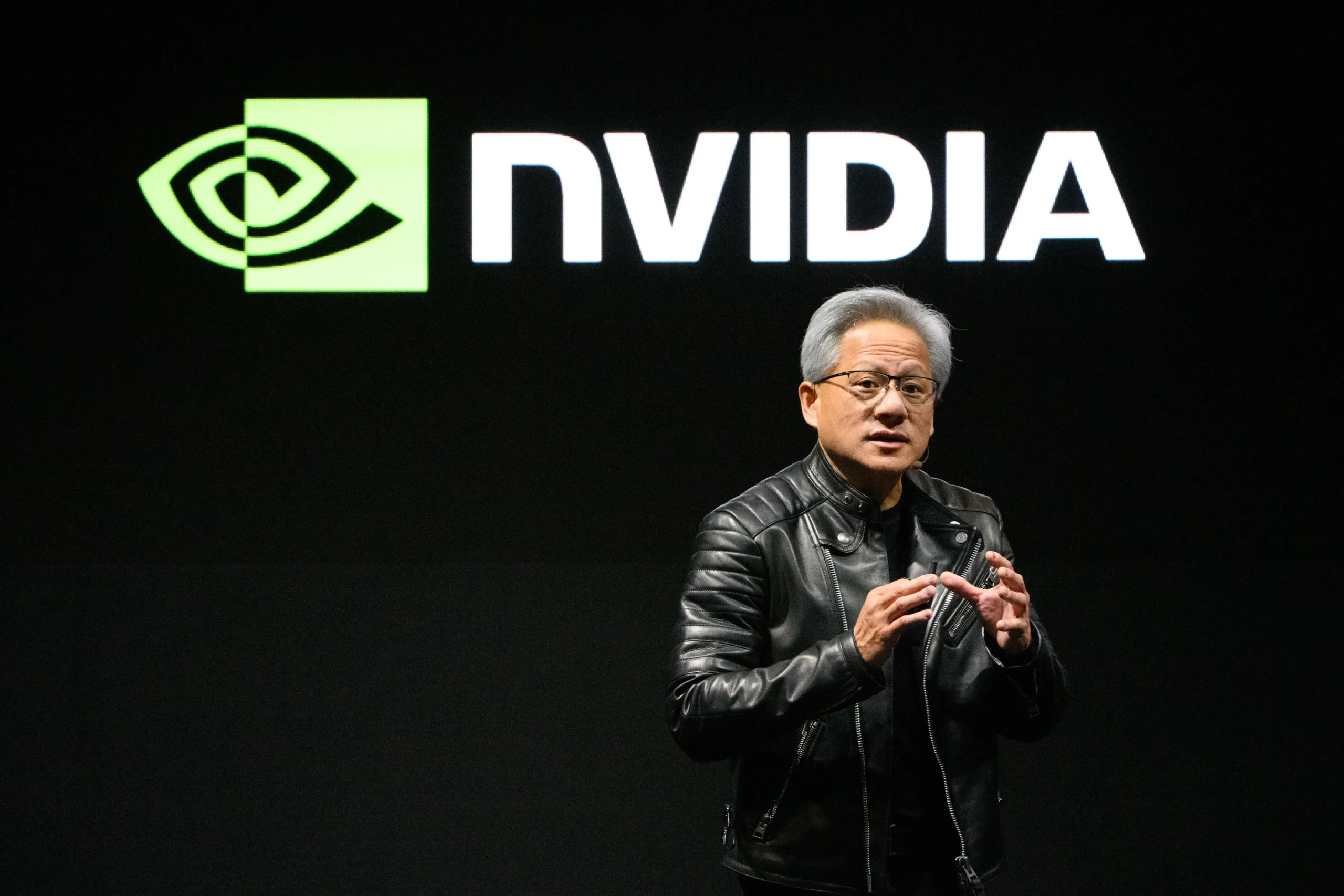
Nvidia has spent the AI boom as the company everyone depends on and nobody can quite catch. Now the Justice Department wants to know whether its latest and largest deal, a roughly 20 billion dollar arrangement with the chip startup Groq, crosses the line from dominant into anticompetitive.
What the deal actually is
The agreement is structured as a non-exclusive licensing deal rather than an outright acquisition, and that structure is exactly what has drawn scrutiny. On paper Groq stays an independent company. In practice, a number of its executives have moved over to Nvidia, and the sheer size of the arrangement gives Nvidia deep influence over a firm that builds a competing type of AI chip. Groq specializes in inference, the part of the AI pipeline that runs models after they are trained, an area where several challengers have been trying to chip away at Nvidia’s grip.
Why regulators are interested
The concern investigators are said to be examining is whether the deal was deliberately designed to look like a partnership so it would not trigger the automatic merger review that a straight acquisition of that size would face. If a dominant company can neutralize a rival by licensing its technology and hiring away its leadership without ever formally buying it, the traditional tools of antitrust enforcement start to look outdated.
A pattern regulators keep seeing
This is not the first time this shape of deal has raised eyebrows. Across AI, the biggest players have repeatedly taken large stakes, licenses, or talent from smaller firms in ways that stop just short of acquisition. Regulators have grown wary of what some describe as acquisitions in everything but name, and the Nvidia-Groq arrangement has become a high-profile test of whether that skepticism turns into action.
The political backdrop
The deal had already attracted attention from lawmakers earlier in the year, with senators questioning its scale and structure. A formal probe raises the stakes considerably. It signals that concerns have moved from letters and hearings into the machinery of an actual investigation, which can compel documents, testimony, and ultimately challenges in court.
For Nvidia, the timing is awkward. The company is riding historic demand, its chips sitting at the center of nearly every serious AI effort on the planet. That dominance is precisely what makes any deal it strikes a magnet for antitrust attention. Success has made Nvidia the default, and being the default is what regulators exist to watch.
What it means for the AI chip market
Groq represented one of the more credible attempts to build an alternative to Nvidia hardware, particularly for inference workloads where speed and cost matter enormously. If the effect of the deal is to fold that alternative into Nvidia’s orbit, buyers of AI chips lose a source of competitive pressure, and competitive pressure is what keeps prices in check and innovation honest. That is the heart of what the government is weighing.
The stakes are not abstract. The cost of running AI models at scale has become one of the defining line items for every company chasing the technology, from startups to cloud giants. Anything that reduces the number of real hardware choices flows straight through to those bills, and eventually to the products and prices everyday users see. A market with one overwhelming supplier behaves very differently from one with two or three, which is why a single licensing deal can carry consequences far larger than its price tag.
Investors reacted the way they usually do to regulatory headlines involving a market darling, with caution rather than panic. A probe is not a lawsuit, and a lawsuit is not a loss. These investigations can take many months and often end without dramatic action. But they introduce uncertainty into a story that had, until now, been almost frictionless.
What This Means
The Nvidia-Groq probe is bigger than one deal. It is an early test of whether antitrust enforcement can keep pace with the creative deal-making that has come to define the AI era, where a license and a hiring spree can accomplish what a merger used to. If regulators decide this structure is a workaround, it could reshape how every large AI company approaches its smaller rivals. If they let it stand, expect a lot more deals that look exactly like this one. Either way, the outcome will echo far beyond Nvidia’s balance sheet.