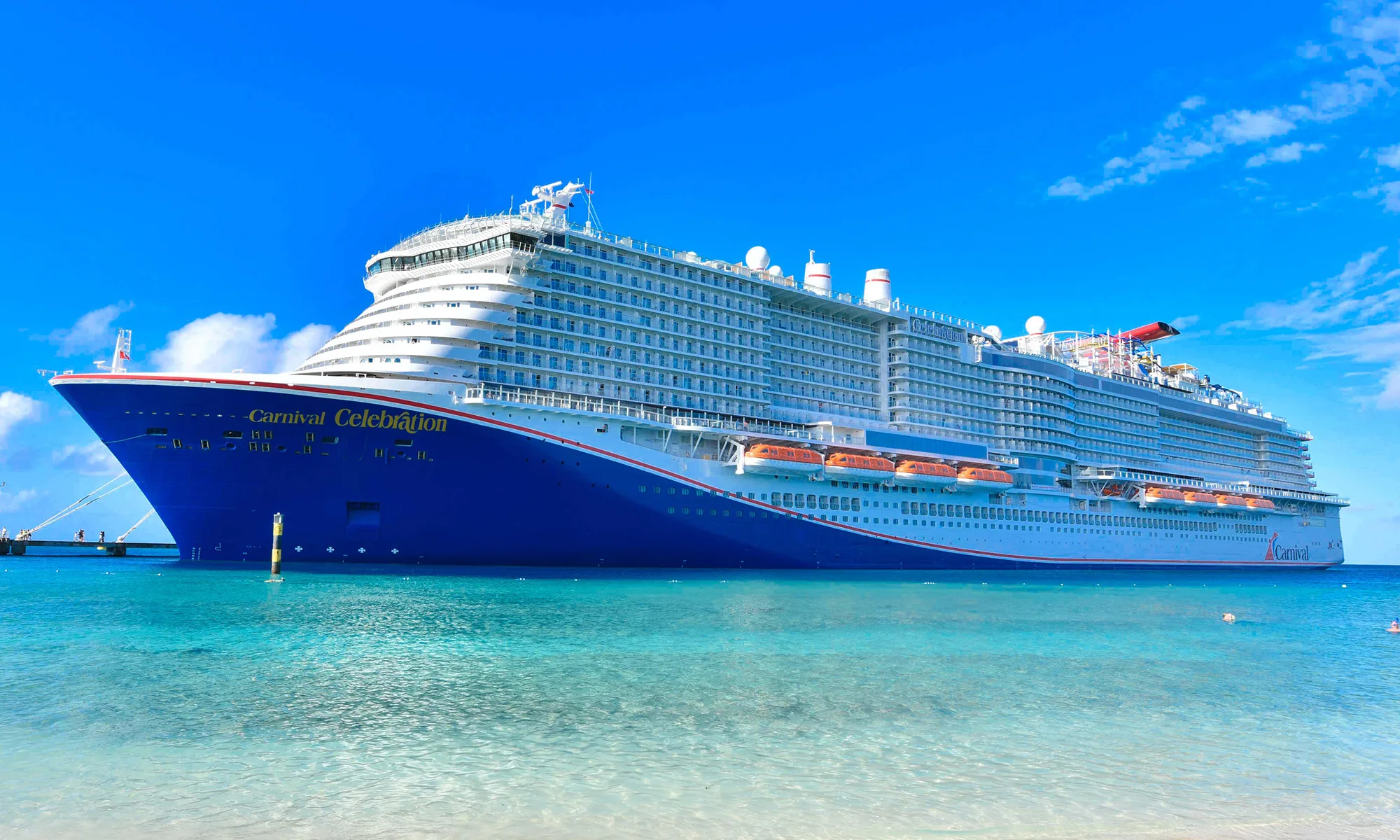
Fuel costs jumped 36% for the quarter. Wall Street barely blinked. Carnival Corporation just posted record earnings anyway, and the stock rewarded it with the kind of pop that makes you wonder whether anyone actually believed the “travel slowdown” narrative that’s been floating around all year.
The Numbers That Moved the Stock
Carnival’s fiscal third quarter came in well ahead of what Wall Street was modeling. Adjusted earnings per share landed at $1.43, revenue hit $8.44 billion, and both figures cleared analyst expectations comfortably enough that the stock didn’t just tick up, it surged. Shares jumped 13.41% to close at $25.11, on trading volume of roughly 75.3 million shares, about 246% above the stock’s three-month average. That’s not a quiet earnings beat. That’s a market repricing its assumptions about the entire cruise sector in real time.
The ripple effect showed up immediately in Carnival’s competitors. Royal Caribbean climbed 7.48% the same day, and Norwegian Cruise Line added 3.42%, even though neither company had reported its own numbers yet. Investors were essentially betting that whatever demand trend lifted Carnival was lifting the whole industry, not just one operator.
Record Bookings, Not Just Record Revenue
The headline number is impressive on its own, but the booking data behind it is arguably the more important story for anyone trying to figure out whether this quarter was a fluke or a trend. Carnival disclosed $7.6 billion in customer deposits, a record, alongside booking volumes and pricing that management described as running at record levels heading into next year.
CEO Josh Weinstein framed the quarter plainly: “accelerating demand and even stronger cost discipline driving results ahead of expectations.” The phrase that jumped out to analysts, though, was the claim that 2027 is already half-booked, with both volume and pricing at record levels for that far out, and that 2028 bookings are running ahead of their historical pace as well. Cruise lines don’t typically have that kind of visibility this far into the future unless demand is genuinely outrunning supply.
How Fuel Costs Went Up 36% Without Tanking Profits
Here’s where the quarter gets genuinely interesting from an operations standpoint. Fuel is one of the largest variable costs any cruise line carries, and a 36% jump in fuel expenses would, in a normal environment, be the kind of thing that eats straight into margins. Instead, Carnival posted record attributable net income in the same quarter that fuel costs spiked, which tells you the demand side of the business is currently strong enough to absorb a cost shock that size without breaking a sweat.
Part of that resilience comes down to pricing power. When bookings and deposits are running at record levels and next year is already half full, a cruise line has considerably more room to pass rising costs through to customers without denting demand. Part of it also reflects the “stronger cost discipline” Weinstein referenced, likely a combination of route optimization, fuel-efficient itinerary planning, and the kind of belt-tightening cruise operators leaned into hard during the pandemic years and never fully abandoned.
The Debt Story Underneath the Headlines
Less flashy than the earnings beat, but arguably just as important for long-term investors, is what Carnival has done to its balance sheet. Total debt has come down to below $24 billion, a meaningful reduction from the company’s 2023 peak of $36 billion. That’s more than $12 billion in deleveraging in roughly two years, a pace that reflects just how much free cash flow the recovery in cruise demand has generated. A cruise line with a lighter debt load has more flexibility to invest in new ships, absorb a bad quarter without panic, and return capital to shareholders down the road, none of which was realistically on the table when that debt was at its peak.
Why “Vacations Are Sacrosanct” Keeps Proving True
Cruise demand has been one of the more surprising resilience stories in consumer spending over the past two years. Even as headlines warned about inflation-weary consumers pulling back on discretionary spending, cruise lines kept reporting the opposite: full ships, rising prices, and booking curves stretching further into the future than pre-pandemic norms. The phrase making the rounds among analysts covering the sector this week, “vacations are sacrosanct,” captures the pattern succinctly. Households appear willing to protect vacation spending even while trimming elsewhere, and cruises in particular have benefited from a reputation as a relatively affordable way to get an all-inclusive vacation compared with land-based resort alternatives.
What to Watch Next
- Whether Royal Caribbean and Norwegian’s own upcoming earnings reports confirm the same booking strength Carnival described
- Fuel price trends heading into 2027, given how directly this quarter demonstrated the industry’s current exposure to that cost line
- Carnival’s next debt reduction targets, now that the company has more than a third of its peak debt load already paid down
- Whether pricing power holds if the broader economy weakens, since half-booked years reflect strong demand today more than guaranteed demand tomorrow
What This Means
Carnival’s quarter is a genuinely strong signal for the cruise industry, not just for one company. Record bookings two years out, resilience to a fuel cost spike that would have hurt most other travel businesses, and a debt load shrinking fast enough to change the company’s financial flexibility all point in the same direction: cruise demand isn’t just recovering, it’s compounding. The stock’s 13% jump wasn’t an overreaction. It was the market catching up to a business that’s quietly become one of the more durable growth stories in consumer travel, fuel costs and all.