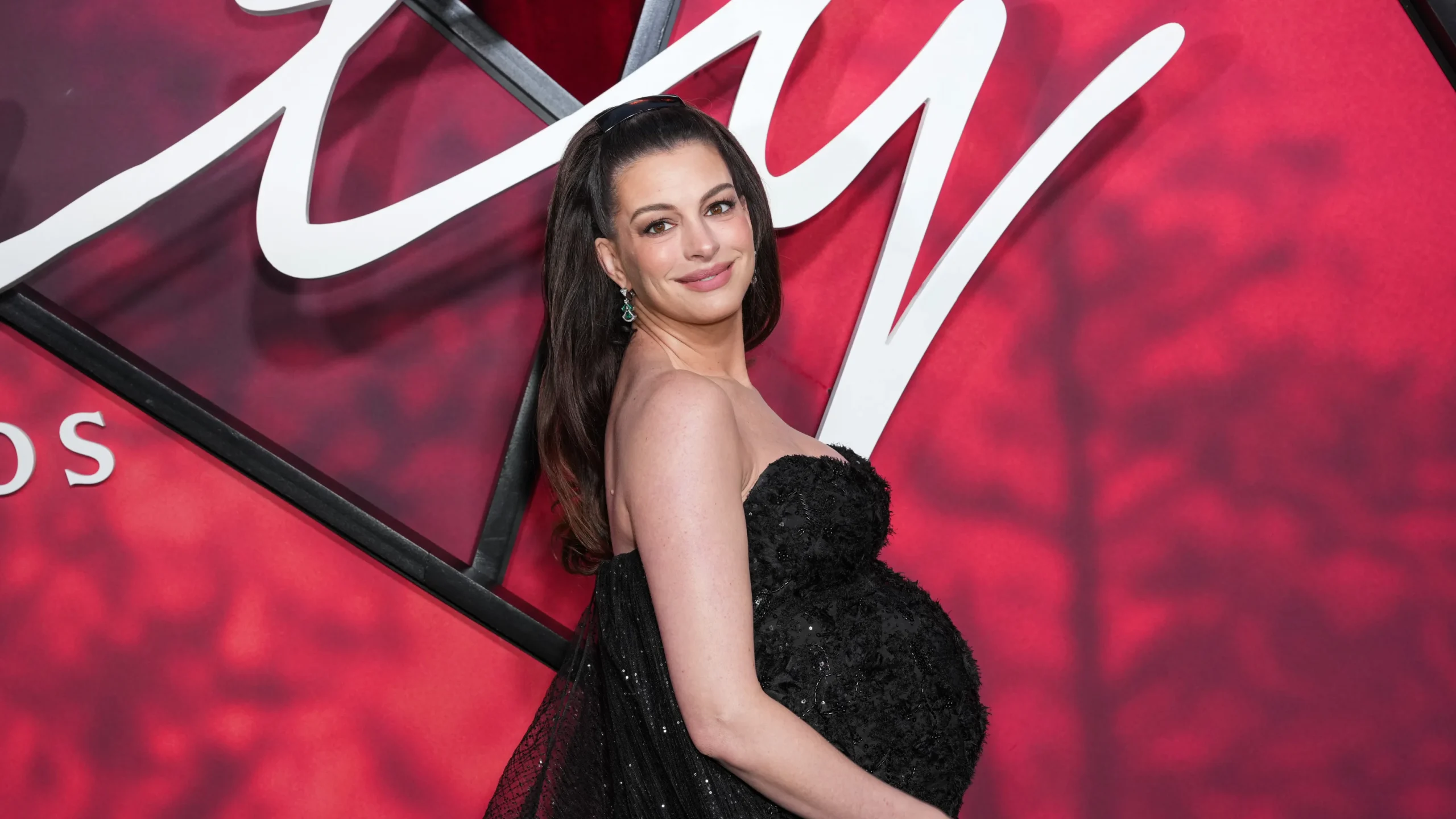
Colleen Hoover has sold tens of millions of books on the strength of making readers deeply uncomfortable in the best possible way, and Hollywood has spent years trying to figure out how to replicate that feeling on screen. The latest attempt, an adaptation of her psychological thriller Verity starring Anne Hathaway and Dakota Johnson, just hit theaters, and the early verdict is exactly the kind of messy, divided reaction that tends to follow any adaptation of a book this beloved and this strange.
What the Movie Is Actually About
Dakota Johnson leads as Lowen Ashleigh, a struggling writer hired under unusual circumstances to finish the remaining books in a bestselling series after the original author, Verity Crawford, is left unable to write following a catastrophic accident. The job requires Lowen to relocate to the Crawford family estate, working alongside Verity’s husband, Jeremy, played by Josh Hartnett, while Anne Hathaway takes on the role of Verity herself.
What starts as a straightforward ghostwriting arrangement curdles fast. While digging through Verity’s old files for material to work from, Lowen stumbles onto what appears to be an unfinished autobiography, one filled with disturbing, deeply personal confessions that may or may not be true. From there, the story becomes a slow unraveling of trust, suspicion, and escalating attraction between Lowen and Jeremy, with Lowen left to untangle fiction from reality, manipulation from genuine connection, and professional opportunity from something far more dangerous.
Michael Showalter directs, working from a screenplay co-written by Nick Antosca alongside Hoover herself, a detail that matters for a fanbase notoriously protective of how faithfully adaptations handle her source material.
The Full Cast
- Dakota Johnson as Lowen Ashleigh
- Anne Hathaway as Verity Crawford
- Josh Hartnett as Jeremy Crawford
- Brady Wagner as Crew Crawford
- Asel Swango as Frida
- Daniel Echevarria as Alex
A Rocky Road to the Screen
This adaptation didn’t arrive on a straight line. The project was originally pointed toward an earlier release date before shifting to its current October slot, the kind of schedule movement that often signals a studio recalibrating marketing strategy around a title it believes in, rather than quietly trying to bury something it’s lost confidence in. Amazon MGM Studios has backed the project with a cast this stacked, which suggests the delay was about positioning rather than doubt.
That positioning makes sense given what Verity represents commercially. Hoover’s novel has been a perennial bestseller since its original release, the kind of book that keeps reappearing on sales charts years after publication thanks almost entirely to word of mouth and social media buzz. Adapting it was always going to carry outsized expectations from a reader base that has very specific ideas about how beloved scenes should look and feel on screen.
The Reviews Are In, and They’re a Split Decision
Early critical reception has landed Verity somewhere in the mid-forties percentile on aggregate review trackers, which is the cinematic equivalent of a shrug paired with a raised eyebrow. That’s not a disaster by any means, but it’s also not the kind of score that suggests critics walked out convinced they’d seen something more than a glossy, well-cast thriller.
What almost every review agrees on, regardless of how harshly they treat the plot or pacing, is Anne Hathaway. Across a wide range of reactions, from lukewarm to outright dismissive about the film as a whole, Hathaway’s performance as Verity is consistently singled out as the one element critics can’t bring themselves to knock. When reviewers can’t agree on much else but line up behind the same performance, it’s usually a sign that an actor found something genuinely compelling in material that didn’t necessarily give her an easy path to it.
The criticism tends to cluster around the screenplay itself, with some reviewers describing dialogue pulled from Verity’s fictional manuscript as unintentionally campy rather than unsettling, undercutting moments that are clearly meant to land as disturbing. Others have pointed to pacing issues in the back half, where the psychological tension the premise promises occasionally gives way to more conventional erotic-thriller beats that have been done, and done better, elsewhere in the genre.
Why This Adaptation Was Always Going to Be Tricky
Hoover’s novel works largely through unreliable narration and the slow, creeping dread of not knowing which version of events to trust, a literary device that’s notoriously difficult to translate into a visual medium where the audience sees everything the camera shows them. Books can withhold information indefinitely and let a reader’s imagination fill in the gaps with something more disturbing than anything explicitly described. Film has to show its hand eventually, and how a director chooses that moment often determines whether an adaptation like this lands as genuinely unsettling or merely slick.
That tension, between what makes the book effective and what makes a thriller work on screen, appears to be exactly where this adaptation is splitting audiences and critics. The elements that worked as suggestion and implication on the page sometimes read as heavy-handed once they’re spoken aloud or shown directly.
What This Means
A mixed-to-middling critical reception rarely stops a Colleen Hoover adaptation from performing well commercially, given how dedicated and vocal her reader base has proven to be across every format her work has touched. Verity’s opening weekend numbers will likely owe more to built-in audience demand than to review aggregator scores, and Amazon MGM has enough star power behind this cast to drive curiosity regardless of what critics decide. The more interesting long-term question is what this adaptation signals for Hollywood’s ongoing appetite for Hoover’s catalog: if a starry, well-funded take on her most famous book still can’t fully crack the translation from page to screen, it raises real questions about which of her other novels are actually built for film in the first place, and which ones work specifically because they’re books.