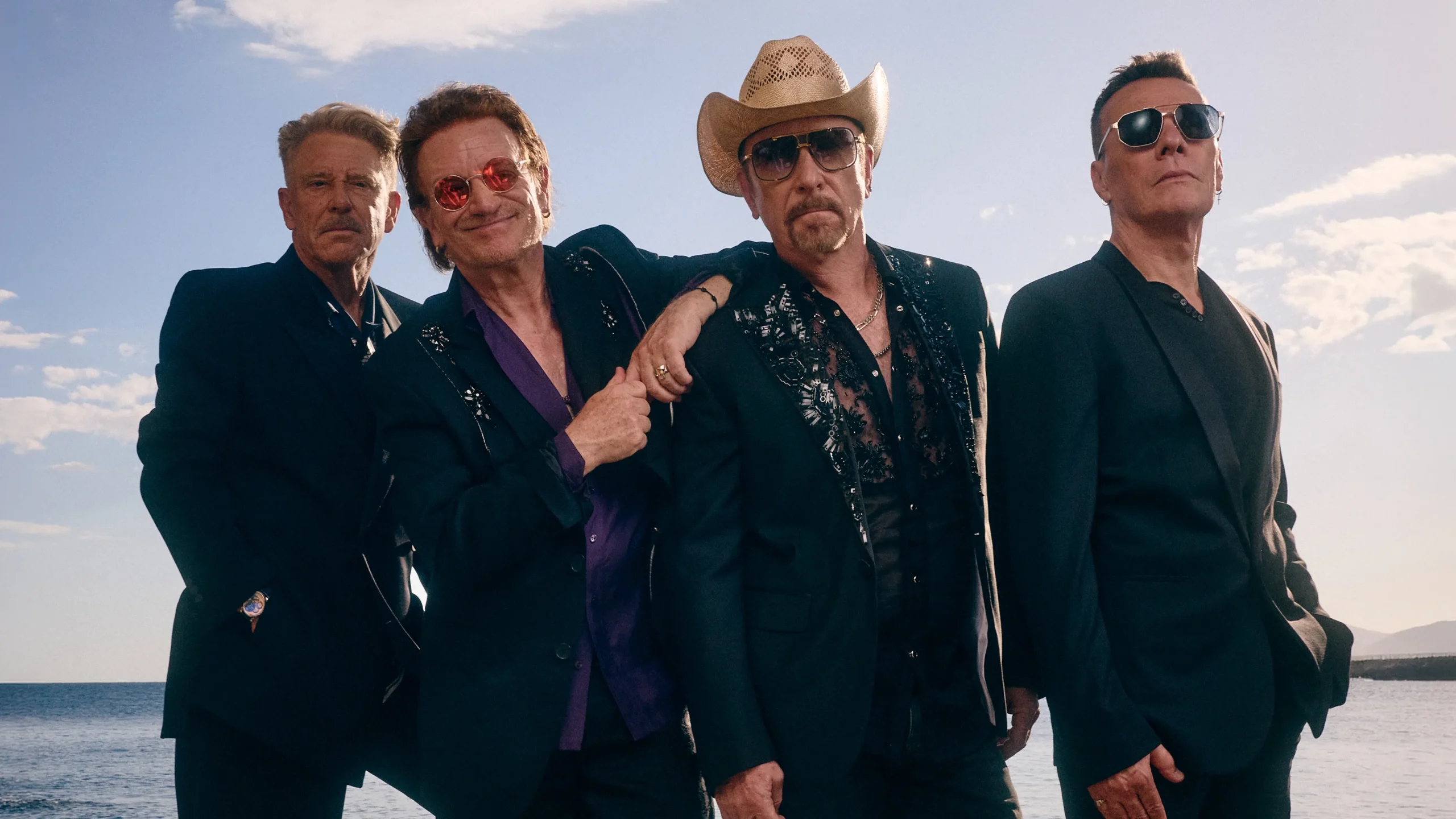
U2 have a new album coming, and normally that alone would be enough to dominate a slow music news week. But the detail that’s actually stopping people in their tracks isn’t the band’s return, it’s who’s singing alongside them. Carnaval de Luz, due out in November, reportedly includes what’s being described as Dolly Parton’s final recorded vocal performance, captured before her death in August.
The Announcement
The band unveiled the album alongside a new single, “Silencio,” giving fans their first real listen to the direction of the project. Details on the full tracklist remain limited, but the presence of a Parton feature has instantly become the defining storyline around the release, overshadowing even the usual speculation about where U2 are headed sonically after their last few genre detours.
Collaborations between rock legends and country icons aren’t new, but the context here changes the emotional register entirely. This isn’t a victory-lap duet between two acts at the peak of their commercial power. It’s a posthumous vocal, recorded by an artist who by all accounts knew this material might be among the last things she’d ever put to tape.
Why the Timing Matters
Parton’s death last month sent an obvious ripple through the music industry, but it’s rare for that kind of loss to intersect so directly with a major release from an entirely different genre lane just weeks later. Fans and critics are going to approach “Silencio” and the rest of the album with a different kind of attention than they would a standard U2 record, listening not just for what the song sounds like, but for what it might reveal about how Parton wanted to be heard one last time.
What We Know About the Recording
Reporting around the announcement frames the Parton feature as her final recorded vocal, a detail that, if accurate, turns Carnaval de Luz into something closer to a historical document than a typical late-career rock album. It’s the kind of detail record labels don’t manufacture lightly, given how much scrutiny surrounds any claim about an artist’s “last” work after they’ve passed.
For a band as commercially established as U2, there’s no obvious need to lean on a stunt collaboration to move units. The more plausible read is that this was a genuine creative connection, the kind of late-career cross-genre pairing that happens because two artists simply wanted to make something together, and the timing of Parton’s passing turned what might have otherwise been a footnote into the album’s central story.
A Pattern in Modern Music
This kind of posthumous collaboration has become more common as artists increasingly record material well ahead of release schedules, sometimes years in advance. It raises familiar questions about how audiences should engage with a vocal performance knowing the person behind it is no longer here to react to how it lands. Those questions don’t have easy answers, but they rarely stop an album from becoming a major cultural moment, and if anything, they tend to intensify the attention it receives.
There’s also a practical industry dimension to this that often gets overlooked in the emotion of the moment. Estates, labels, and surviving collaborators all have to sign off on releasing a final vocal performance, and that process typically involves exactly the kind of care and deliberation you’d hope for, rather than a rush to capitalize on a moment of public grief. The fact that this feature is arriving months after Parton’s passing, rather than being rushed out immediately, suggests everyone involved treated the material with the weight it deserved.
What to Expect From the Album Itself
Beyond the Parton feature, early signals suggest Carnaval de Luz leans into a more textured, expansive sound than U2’s most recent work, though full confirmation will have to wait for additional tracks or a complete listen. The title itself, translating roughly to “carnival of light,” hints at a record aiming for something celebratory rather than somber, an interesting choice given the shadow the Parton feature inevitably casts over the whole project.
Whether the band intended the album to carry this kind of weight from the outset or whether the moment simply found them is almost beside the point now. Once a record becomes known for containing an artist’s last recorded words, that becomes the lens through which everything else on the album gets heard, for better or worse.
Longtime U2 watchers will also be paying close attention to how the band’s own creative evolution shows up across the rest of the tracklist. The group has spent the last decade experimenting with different sonic directions, some more warmly received than others, and a project this emotionally loaded gives them a natural opportunity to lean into more atmospheric, reflective songwriting rather than the arena-sized anthems that built their early career.
Final Verdict
Carnaval de Luz was always going to get attention as a new U2 record. The Dolly Parton connection turns it into something else entirely, a release that fans of two very different musical worlds will be listening to for two very different reasons that happen to converge on the same eleven or twelve tracks. Expect “Silencio” to dominate conversation in the days after release, expect think pieces about legacy and posthumous art to follow shortly after, and expect the album itself, whatever its actual musical merits turn out to be, to be remembered first and foremost for what it carries rather than purely for how it sounds.