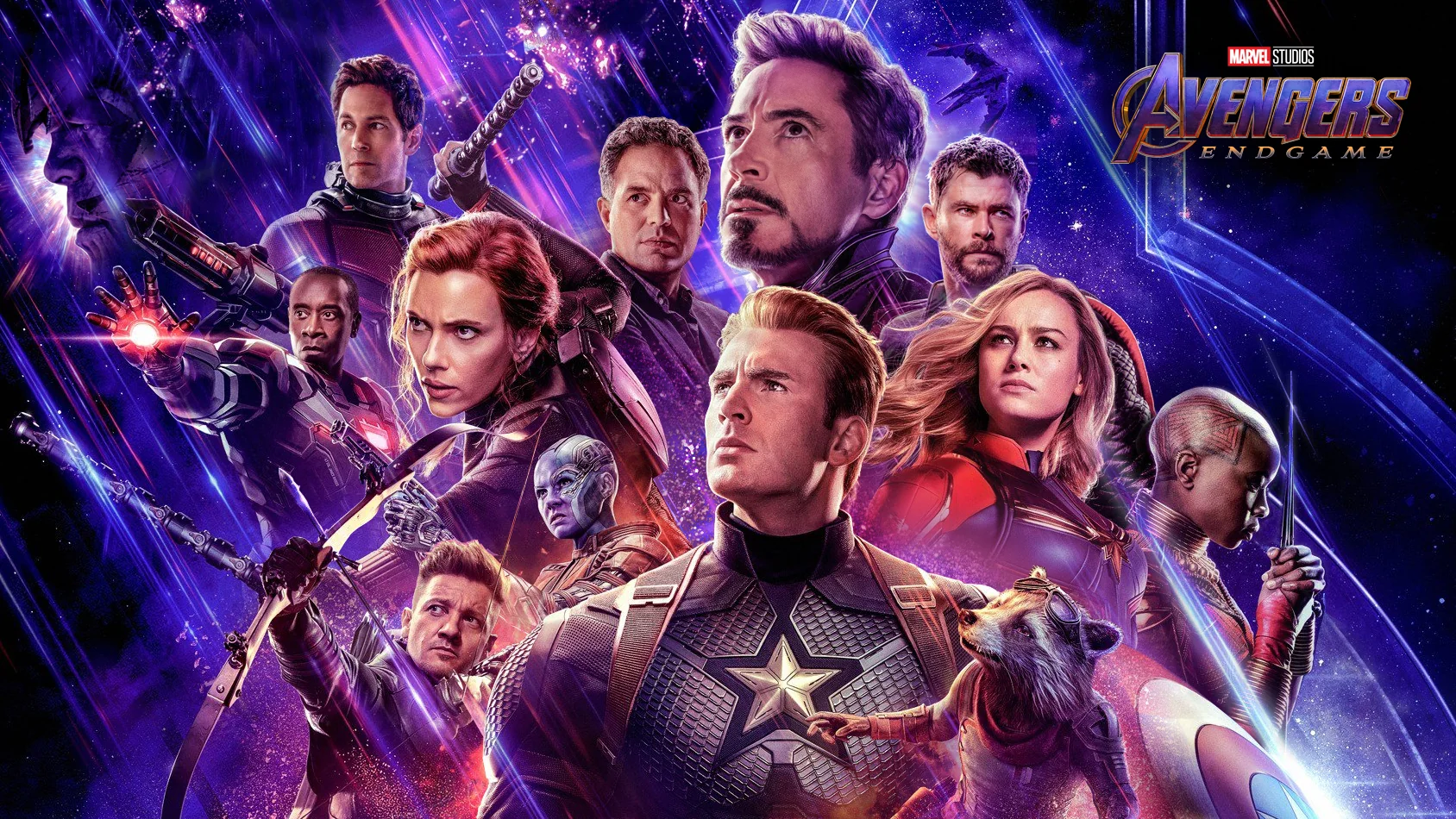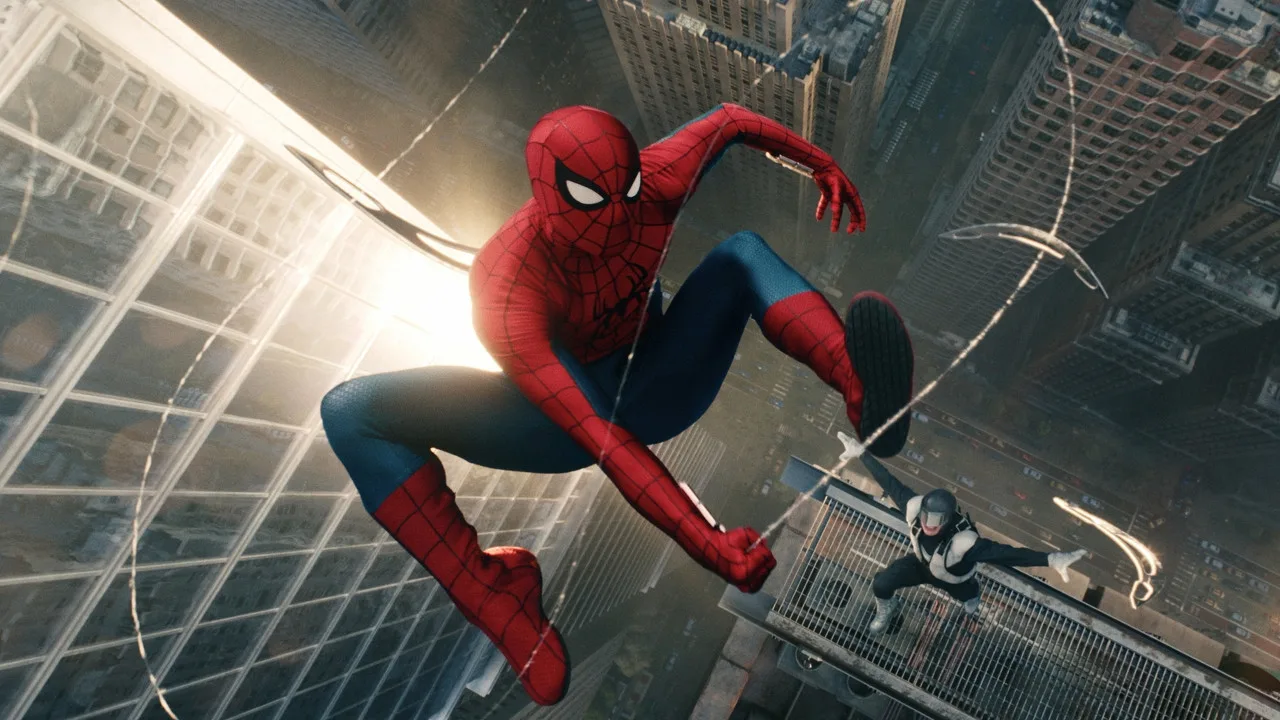
Nobody saw this coming. Not the trackers, not the studio, not even the people who made it. When Spider-Man: Brand New Day opened on July 31, the smart money had it landing somewhere around $180 million domestically — a big number, a comfortable win, business as usual for a Tom Holland Spider-Man movie. Six days later, Sony is sitting on $1.05 billion worldwide and a stack of broken records that includes the biggest domestic opening weekend in history. The only film that ever reached ten figures faster is Avengers: Endgame, and it beat Spidey by exactly one day.
That’s the headline. The story underneath it is more interesting, because this isn’t just a big Marvel movie doing big Marvel movie things. This is a franchise that was supposedly running on fumes, in a genre everyone had declared exhausted, posting numbers that the industry hasn’t seen since 2019.
The Numbers Are Genuinely Absurd
Let’s start with what actually happened. Brand New Day rolled out early in select overseas markets — China got it first, on July 29 — before its full global launch on Thursday, July 31. By the end of the weekend, Sony was reporting a $927 million global debut. Then Monday happened, and the film added roughly $47 million domestically and about $120 million worldwide, pushing the cumulative total past the billion-dollar line.
Here’s how the milestones stack up:
| Record | Brand New Day | Previous Holder |
|---|---|---|
| Domestic opening weekend | $360 million | Avengers: Endgame — $357.1 million |
| Domestic previews | $70M+ | Avengers: Endgame — $60 million |
| Single opening day | $169.8 million | Avengers: Endgame |
| Fastest to $400M domestic | 4 days | Avengers: Endgame |
| Biggest Monday ever | ~$47 million | Black Panther — $40 million |
| Fastest to $1 billion | 6 days | Avengers: Endgame — 5 days |
Domestically the film has pulled $407 million. Overseas it’s added $645.8 million from 66 markets across roughly 73,500 screens. And it did all this on a production budget of about $225 million, which — by modern tentpole standards — is almost restrained.
China Showed Up in a Way It Hasn’t in Years
The international story is where this gets genuinely surprising. China delivered $121.3 million over five days, the strongest opening for an American superhero film in the market since before the pandemic. That’s not a small footnote. Hollywood’s relationship with Chinese moviegoers has been rocky for half a decade, and Marvel specifically has struggled there. No Way Home never even got a release in the territory.
Sony and Marvel clearly planned for this. China got the earliest global release date, an exclusive IMAX debut, and a local premiere with cast appearances. It worked. Chinese tracking services are now projecting a full run somewhere north of $250 million in that market alone.
The UK opened at $49 million — the third-biggest launch in that country’s history. Australia posted its biggest weekend since 2019.
Why This One Connected
The easy explanation is “it’s Spider-Man, people like Spider-Man.” That’s not wrong, but it doesn’t explain why this Spider-Man movie outperformed a film that served as the capstone to 22 interconnected movies and killed off half the Avengers.
The more useful answer is that Brand New Day is a genuinely well-reviewed film. Critics have it hovering around 90% on Rotten Tomatoes, with audience scores pushing 98% — the kind of split that generates the word-of-mouth studios can’t buy. Director Destin Daniel Cretton, who came over from Shang-Chi, made a smaller, sadder, more character-driven movie than the franchise’s recent installments. It picks up four years after No Way Home, with a Peter Parker nobody remembers, protecting a city that doesn’t know his name, slowly buckling under the isolation.
That premise gave the film something most superhero sequels lack: an actual emotional engine. Filmmakers and analysts have both pointed to that internal conflict as the reason audiences turned out repeatedly rather than just once.
The supporting cast helps. Zendaya returns as MJ. Jacob Batalon is back. Jon Bernthal, Sadie Sink, Tramell Tillman, Michael Mando, and Mark Ruffalo fill out a lineup that reads more like a prestige drama than a tights-and-webs picture. Michael Giacchino handles the score. Chris McKenna and Erik Sommers wrote it.
The “Superhero Fatigue” Conversation Just Got Complicated
For three years now, the industry consensus has been that audiences are done with capes. The evidence looked solid: a string of Marvel releases underperforming, DC struggling to find footing, comic book adaptations posting numbers that would have been embarrassing in 2018.
Brand New Day punches a hole in that theory. Or rather, it reframes it. The problem may never have been superhero fatigue — it may have been fatigue with mediocre movies that happened to have superheroes in them. When a comic book film shows up with a real director, a coherent emotional premise, and reviews to back it up, the audience is apparently still enormous.
That’s a more uncomfortable diagnosis for studios, because “make better movies” is harder to execute than “make fewer movies.”
What Comes Next
The film will pass Toy Story 5 to become 2026’s highest-grossing release worldwide, and it’s on track to clear $2 billion — a club with only seven current members: Avatar, Avengers: Endgame, Avatar: The Way of Water, Titanic, Ne Zha 2, Star Wars: The Force Awakens, and Avengers: Infinity War.
Where it lands above that line depends on how the second weekend holds and whether Chinese grosses stay hot. The optimistic projection puts it somewhere near Avatar: The Way of Water‘s $2.33 billion, which would make it the decade’s biggest film. That’s aggressive, but so was every prediction this movie has already beaten.
The broader picture matters too. 2026 has already produced more billion-dollar films than any year since 2019, when nine crossed the line. Summer grosses between May and early August sit at roughly $3.58 billion domestically, up nearly 17% year over year and within a rounding error of pre-pandemic 2019. With Dune 3 and Avengers: Doomsday still to come, the industry has a real shot at its second $4 billion domestic summer since COVID.
Final Verdict
Spider-Man: Brand New Day didn’t just beat expectations — it made them look silly. A $180 million opening projection turned into $360 million. A comfortable hit turned into the fastest billion-dollar run of the post-Endgame era.
The lesson for Hollywood isn’t complicated, though it may be inconvenient: audiences never stopped wanting big theatrical events. They stopped wanting bad ones. Sony and Marvel handed a franchise to a director with actual dramatic instincts, let him make a movie about loneliness and human connection with a guy in a spider suit at the center of it, and the result is rewriting the record books.
For a theatrical business that spent five years being told it was dying, that’s about as good a week as it gets.