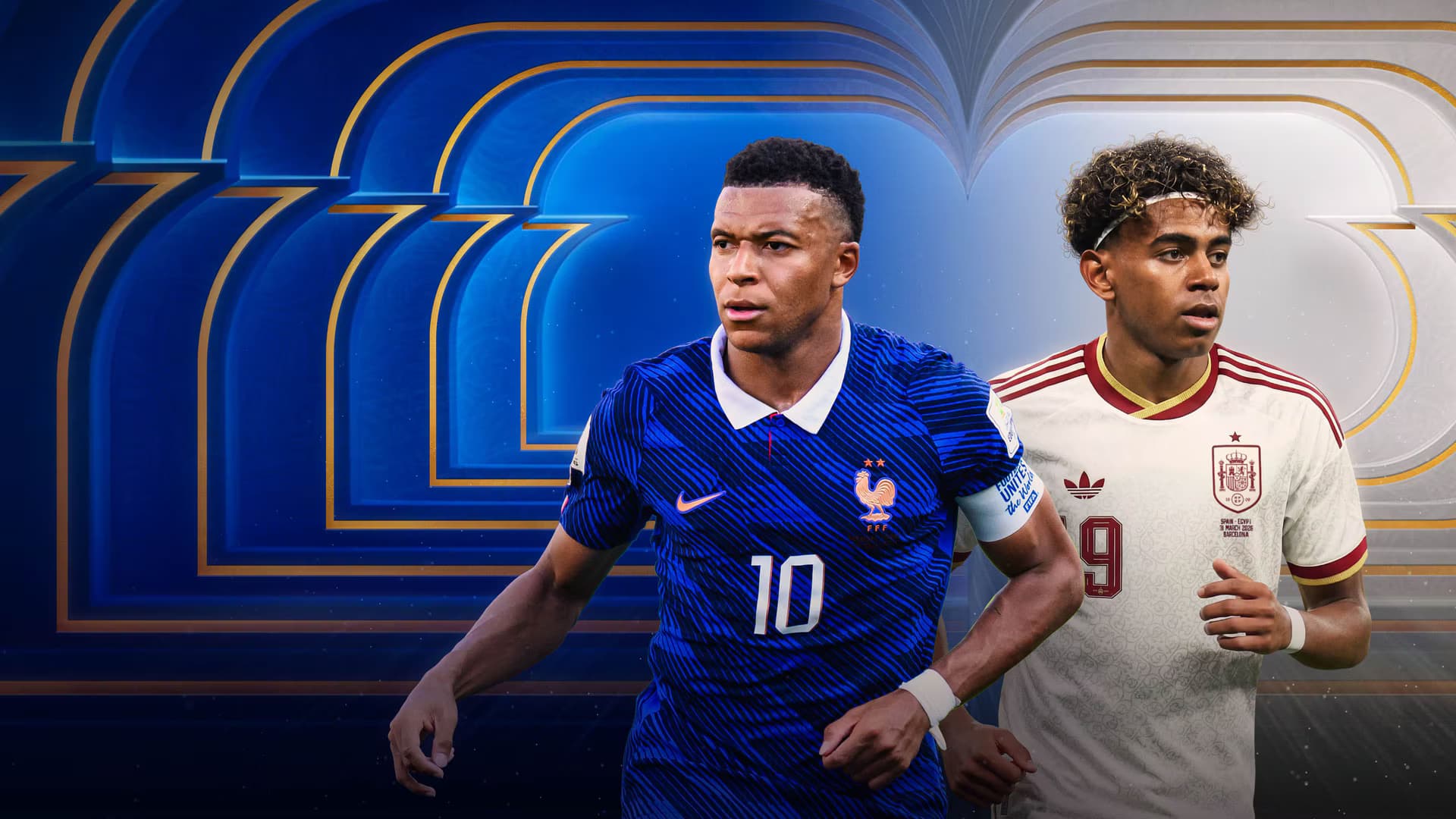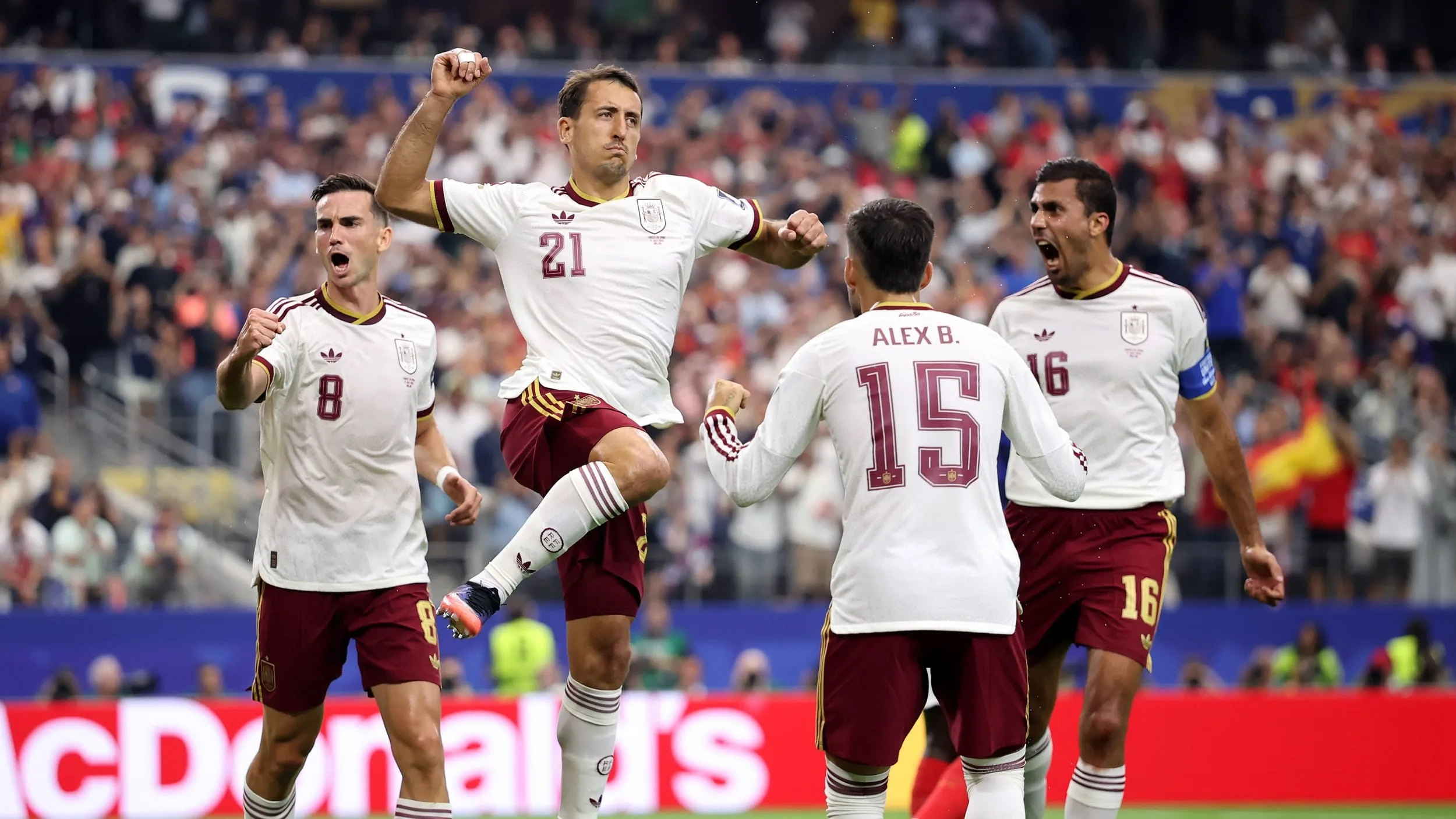
The most anticipated semi-final of the 2026 FIFA World Cup was billed as a collision between an unstoppable force and an immovable object. Instead, it turned into a demonstration. Spain suffocated the French attack, winning 2-0 in Dallas on Tuesday, and now advances to the World Cup final, where it will play either Argentina or England. For 90-plus minutes at AT&T Stadium, Luis de la Fuente’s side did what it has done to everyone for three years — controlled the ball, controlled the tempo, and controlled Kylian Mbappé right out of the game. France, the tournament’s most explosive attacking team, barely landed a punch.
How the Match Unfolded
First Half: Yamal Wins It, Oyarzabal Buries It
The opening exchanges were cagey, with both sides feeling each other out. Around the 15-minute mark, Ousmane Dembélé released Kylian Mbappé with a long pass, but as the Real Madrid star collected the ball, he was swarmed by Spanish defenders and the attack dissipated — a moment that summed up the entire night: France can create offense out of thin air, and Spain can extinguish it.
The breakthrough came from the tournament’s brightest young star. Lamine Yamal was kicked in the box by Lucas Digne, and the referee pointed to the spot. Mikel Oyarzabal stepped up and calmly buried the penalty into the right side of the goal, giving Spain a 1-0 lead in the 22nd minute. It was vintage Oyarzabal — the same ice-cold composure he showed in the Euro 2024 final.
France’s problems compounded when William Saliba was forced off with an injury in the first half, disrupting Didier Deschamps’ defensive structure before the game had even settled.
Second Half: Porro’s Dagger
If the first half was controlled, the second was surgical. A lovely combination at the top of the penalty box sent Pedro Porro in on goal, and in the 58th minute, Porro scored Spain’s second on a give-and-go play that exposed a French defensive lapse. It was miserable defending by France, as nobody tracked Porro’s run into the box.
Spain nearly made it three. Lamine Yamal had a goal called back for offside that would have made it 3-0 — a beautiful finish chalked off by the tightest of margins. By then, the outcome was never in doubt.
The Stats That Tell the Story
| Metric | France | Spain |
|---|---|---|
| Final Score | 0 | 2 |
| Goalscorers | — | Oyarzabal 22′ (pen), Porro 58′ |
| Attempts (at 2-0) | 2 | 6 |
| Shots on Target (at 2-0) | 0 | 1+ |
| Venue | Dallas Stadium (AT&T Stadium) |
The stadium jumbotron flashed the numbers mid-match: France had managed just two attempts on goal to Spain’s six, with only Spain putting anything on target. For a team built around Mbappé, Dembélé, Olise and Barcola, that is a damning indictment.
Who Played Well — And Who Didn’t
Spain’s Standouts
Lamine Yamal was the game’s decisive creative force. He won the penalty, had a goal disallowed, and kept finding small pockets of space that looked dangerous despite constant attention from French defenders. Pedro Porro capped an outstanding tournament at right-back with the killer second goal. Rodri ran the midfield with his usual authority, winning duels against Aurélien Tchouaméni, while Marc Cucurella and Pau Cubarsí locked down Mbappé’s side of the pitch. Unai Simón was rarely troubled but commanded his box superbly.
France’s Flops
The night belonged to nobody in blue. Kylian Mbappé had the fewest touches of any player on the pitch — there was simply no space for him to unleash his attacking intent — and his frustration boiled over into a yellow card for a foul on goalkeeper Unai Simón. Despite the stakes, France’s attack showed no spark or cohesiveness, looking oddly devoid of ideas and inspiration. Deschamps rolled the dice, sending on Désiré Doué for Bradley Barcola, but nothing changed. For the second straight World Cup, France falls at the final hurdle stage — and questions about Deschamps’ future will now grow deafening.
The Strategy: Why Spain’s Game Plan Worked
The tactical battle was settled before kickoff. Spain has controlled matches, moved the ball with patience and repeatedly found answers late, while France leaned on physicality, defensive discipline and Mbappé’s brilliance. De la Fuente’s plan was simple in theory and brutal in execution: starve France of the ball, deny Mbappé transition space, and let Yamal probe the left side of a weakened French defense.
After conceding its first goal of the tournament in the quarterfinal against Belgium, Spain’s defense rediscovered its brilliance, holding France’s dynamic attack scoreless. It also confirmed a pattern: Spain has now eliminated France under De la Fuente in the Euro 2024 semi-finals, the 2025 Nations League, and now a World Cup semi-final. Even Deschamps saw it coming, admitting before the match that “Spain confirmed that they are the favorite”.
37 Matches Unbeaten: Spain Equals Italy’s World Record
This victory carries historic weight beyond the scoreline. Spain entered the semi-final on a 36-match unbeaten streak, having matched Argentina’s 2019–2022 run and surpassed its own previous best of 35 games set under Luis Aragonés and Vicente del Bosque between 2007 and 2009. By beating France, La Roja has now equaled Italy’s world-record unbeaten run of 37 matches, achieved between 2018 and 2021.
Spain’s last defeat came against Scotland in March 2023. Since then: the 2023 Nations League title, Euro 2024 glory, and an unbeaten qualifying campaign. Win or draw the final, and the record is theirs outright.
What’s Next: The Final in New Jersey
The World Cup final takes place at New York/New Jersey Stadium on July 19, where Spain will chase its second world title, having won its only World Cup back in 2010.
England or Argentina: Who Awaits Spain?
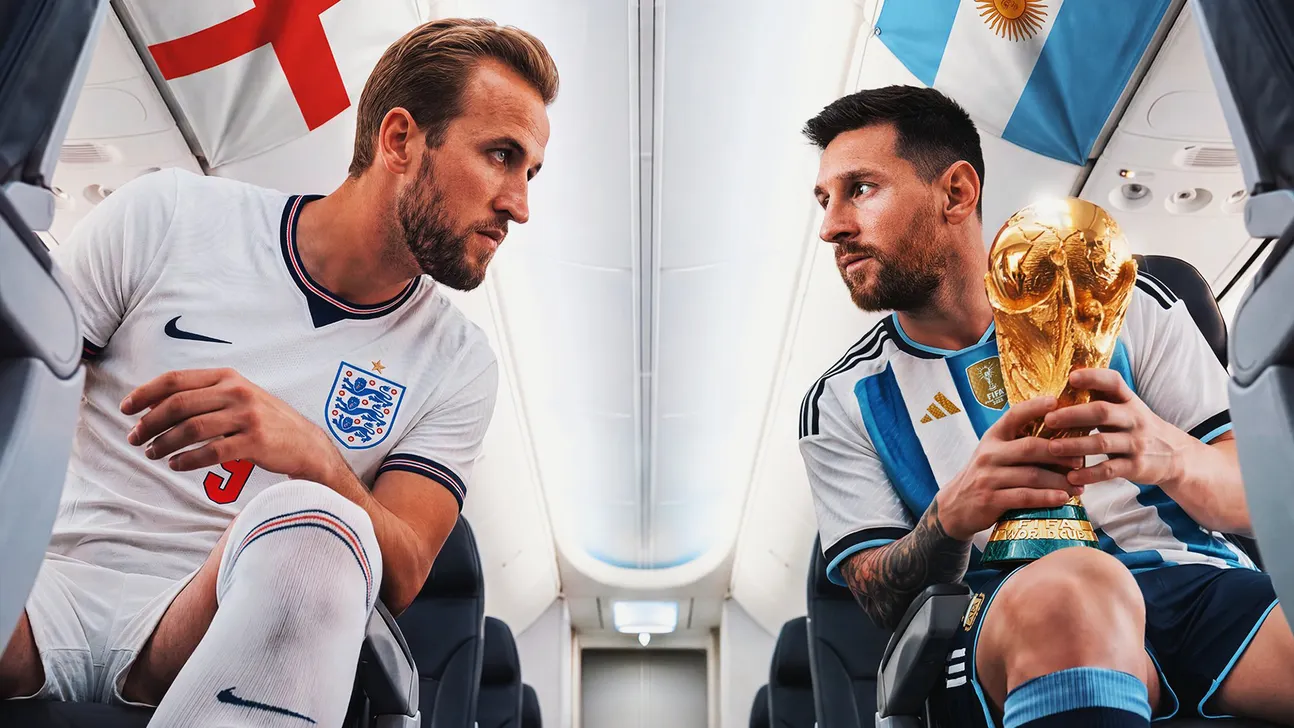
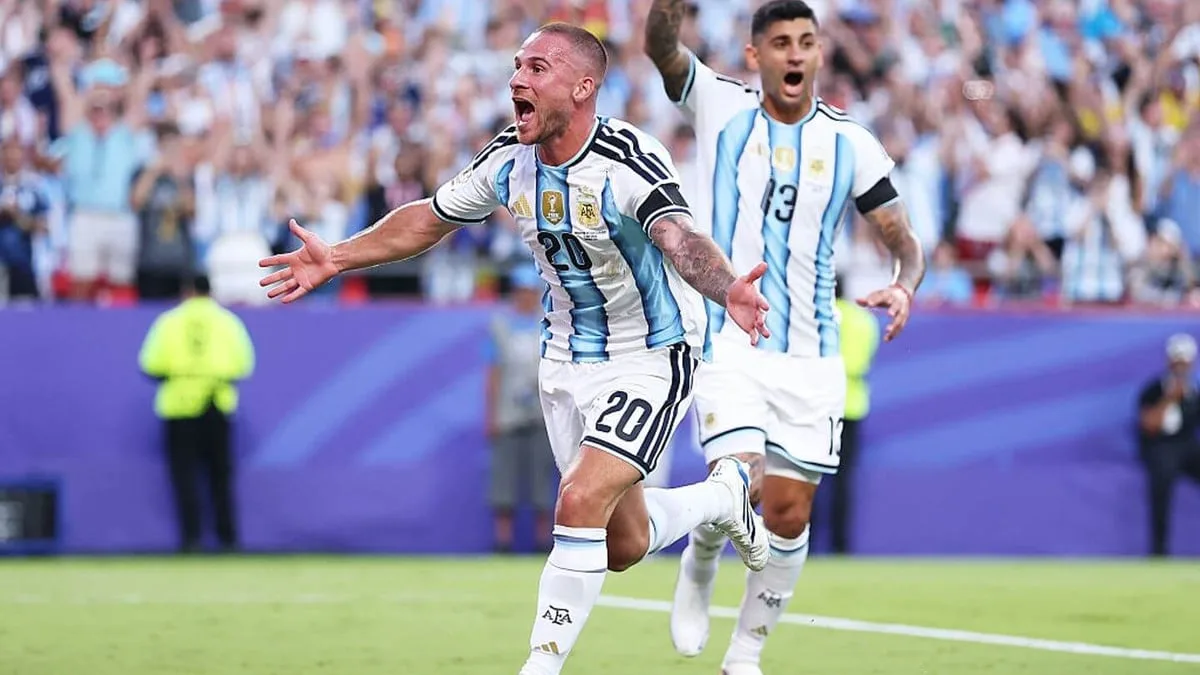
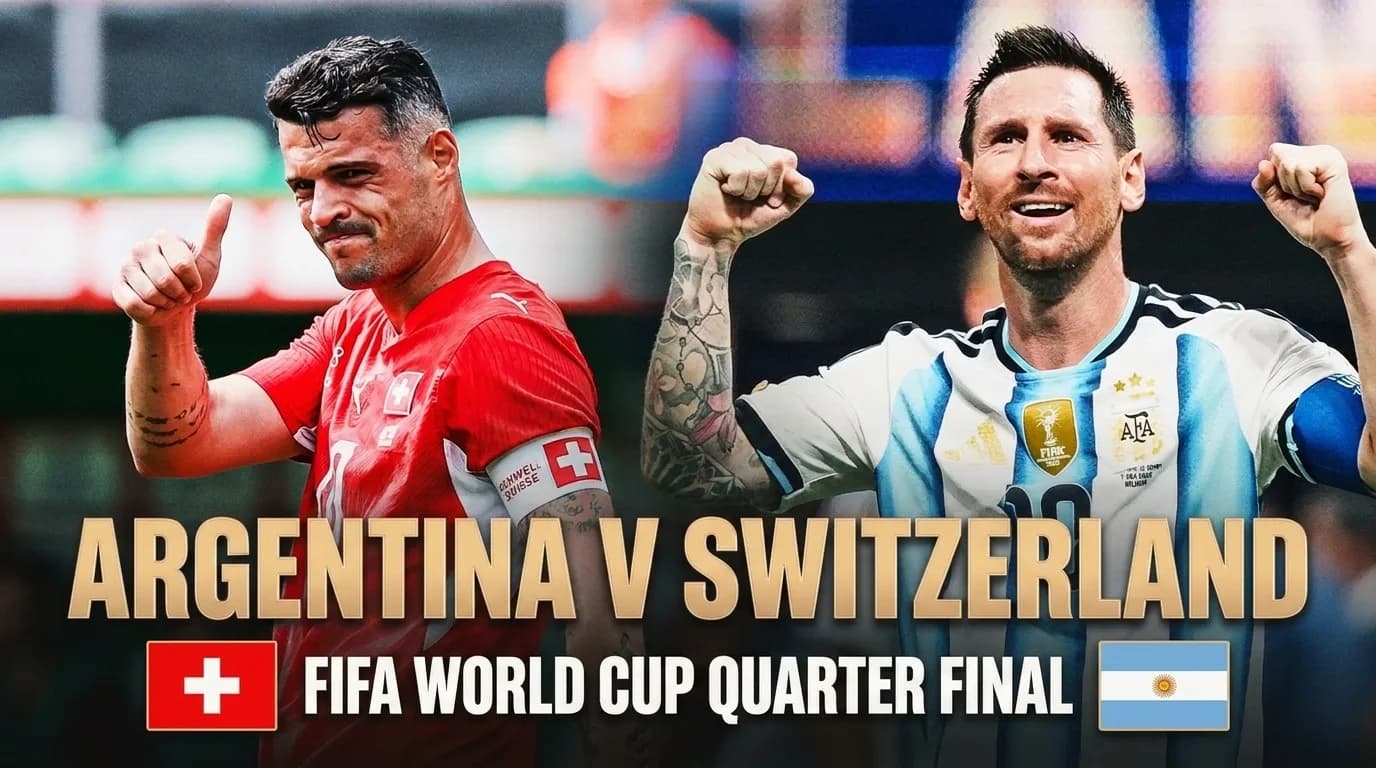
England face Argentina on July 15 at Mercedes-Benz Stadium in Atlanta, and it is genuinely too close to call. England are chasing their first World Cup final since 1966, while defending champions Argentina are hunting a fourth title and a second in a row.
The case for Argentina: Lionel Messi is in historic form, leading the Golden Boot race with eight goals, and Argentina have played six World Cup semi-finals and have never lost one. The case for England: Harry Kane and Jude Bellingham sit just behind Messi with six goals each, and Thomas Tuchel’s side has shown remarkable resilience, coming from behind against DR Congo, surviving with ten men against Mexico, and completing a Bellingham-inspired turnaround against Norway.
My lean? Argentina, narrowly. Messi’s form and that flawless semi-final pedigree tilt the scales — setting up a dream final: Spain’s record-breaking machine against Messi’s farewell tour. But whoever emerges from Atlanta, they will face a Spanish side that has not lost a football match in over three years.
Final Verdict
Spain didn’t just beat France — they dismantled the tournament favorites without ever leaving second gear. Oyarzabal’s penalty and Porro’s clinical finish were the headlines, but the real story was structural: Rodri’s midfield control, Yamal’s fearless creativity, and a defense that reduced Kylian Mbappé to a spectator. At 37 matches unbeaten, level with Italy’s all-time record, this Spain team has a legitimate claim to being the greatest international side of the modern era. One more win in New Jersey on July 19 — against England or Argentina — and the debate is over. France, meanwhile, must reckon with a harsh truth: for the third time in three years, when it mattered most, Spain was simply better.