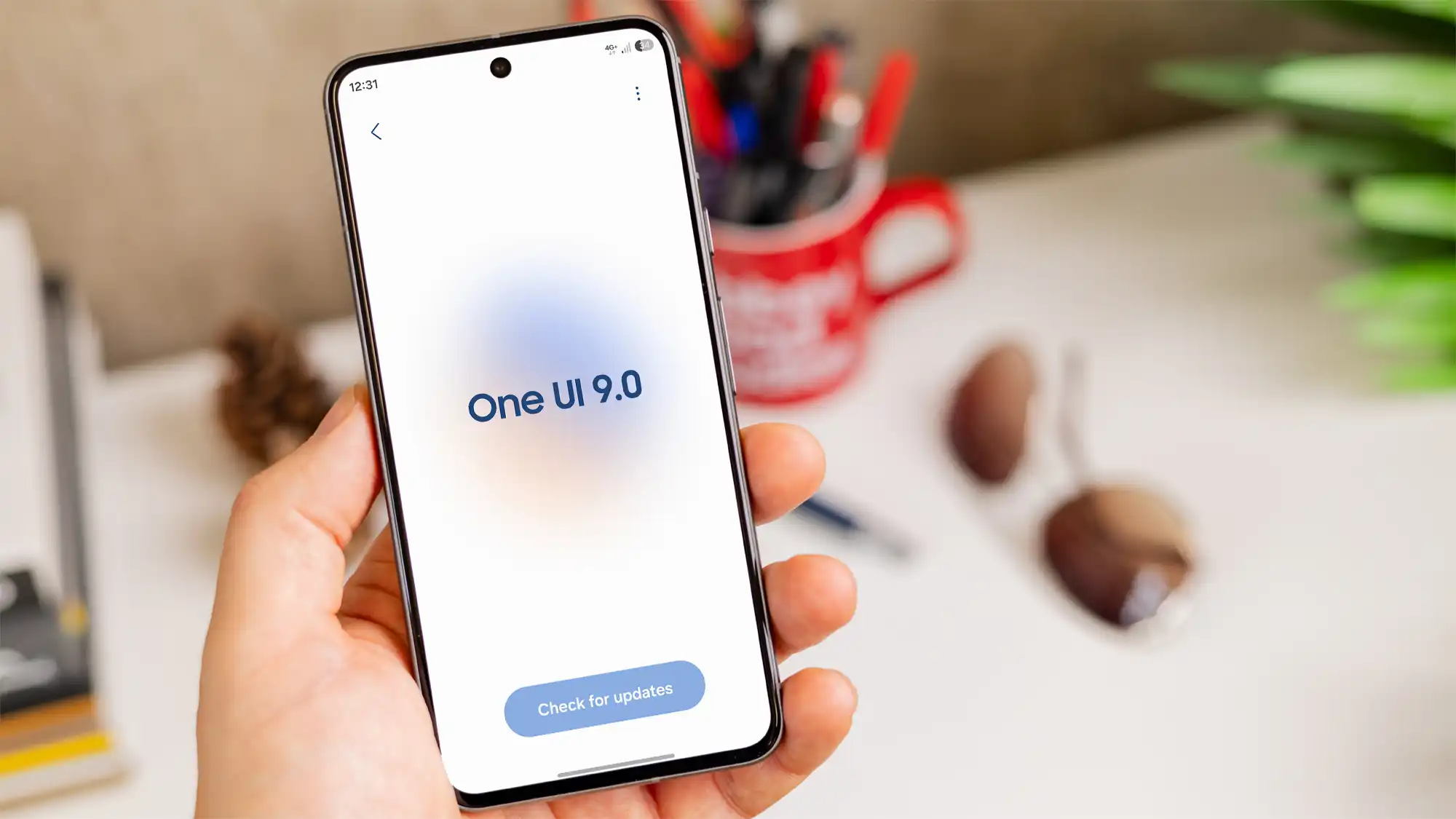
Samsung has spent the past two months quietly assembling the biggest software rollout in the Galaxy calendar, and the pieces are finally clicking into place. One UI 9, the company’s Android 17-based skin, has moved from a closed beta on a single flagship line to an internal testing blitz spanning four generations of phones — and it’s about to make its stable debut on hardware that hasn’t even been announced yet. If you own a Galaxy device made in the last three years, this is the update that will define your phone for the rest of 2026.
Here’s everything worth knowing before the software goes live.
The Beta That Built Toward a Launch
Samsung kicked off the One UI 9 beta on May 13, 2026, starting exclusively with the Galaxy S26, S26+, and S26 Ultra in a handful of markets: Germany, India, South Korea, Poland, the U.K., and the U.S. Enrollment ran through the Samsung Members app, the same channel the company has used for years.
What followed was a steady, two-week cadence rather than a feature avalanche. Beta 1 arrived May 13, Beta 2 on May 26, and Beta 3 on June 16 — each build leaning heavily on stability. Beta 3 alone squashed roughly nine separate bugs, including camera preview cropping, inaccurate 30x zoom focus, S Pen swipe gestures failing on the home screen, and random reboots during video streaming.
Behind the scenes, the picture is far bigger. Firmware trackers have spotted internal One UI 9 builds for the Galaxy S25, S24, and S23 series, plus a wide swathe of A-series mid-rangers — the A57, A56, A55, A37, A35, A25, A17, and A16 among them — and several tablets. Samsung is running development across more devices simultaneously than it ever has, and there’s a clear reason for the urgency.
Why the July 22 Unpacked Event Changes Everything
That reason is Galaxy Unpacked. Multiple reports, corroborated by FCC filings and an accidental Samsung promotional leak, point to July 22, 2026, in London as the date Samsung unveils its next foldables. Those devices — and this is the key detail — will be the first phones to ship with stable One UI 9 out of the box.
The foldable lineup itself is getting a shake-up:
- Galaxy Z Fold 8 — a wider, more tablet-like “book” foldable with a 4:3 inner display, reportedly aimed at productivity buyers
- Galaxy Z Fold 8 Ultra — the successor to the classic tall-and-narrow Fold form factor, expected to become Samsung’s most expensive consumer phone yet
- Galaxy Z Flip 8 — the clamshell, tipped for a near-crease-free display and a slimmer build
All three are expected to run Android 17-based One UI 9 from day one, backed by Samsung’s seven-year software update commitment. That means a foldable bought this summer could be supported into 2033.
What’s Actually New in One UI 9
If you’re coming from One UI 8.5, temper your expectations on the visual front. Samsung has been candid that this is a refinement release — the big cosmetic overhaul largely happened last cycle. What One UI 9 delivers is a layer of polish and, more importantly, a deep AI pivot.
Interface and Everyday Tweaks
The Quick Panel keeps getting more configurable. Brightness, sound, and the media player are now independently adjustable, with additional size options so you can lay the panel out to taste. Elsewhere, expect a darker Now Bar with a track-name animation, more squared-off widget corners, a refreshed Samsung Internet browser with a fading compact search bar, and — finally — a network speed indicator baked into the status bar.
Everyday apps get real attention too:
- Samsung Notes gains a Tape tool for covering and revealing parts of a note, plus a wider range of pen line styles
- Contacts connects directly to Creative Studio for AI-generated profile cards
- Gallery adds a selection box holding up to 15 images at once, making multi-select far less fiddly
- Samsung DeX makes it easier to shift app windows between desktops, with desktop previews now surfacing at the top of the Recents screen
Accessibility, a consistent Samsung priority, adds adjustable Mouse Key cursor speed, a combined TalkBack package, and a Text Spotlight feature.
The Gemini Intelligence Bet
The headline story isn’t a slider or a widget — it’s AI. One UI 9 is built on Android 17, which carries Google’s new Gemini Intelligence as a core layer. Rather than simply answering questions, Gemini is designed to complete multi-step tasks on your behalf: think planning a trip, comparing prices, and prepping a schedule without you hopping between apps.
It leans on what Google calls Personal Intelligence, pulling context from Gmail, Drive, Photos, and Workspace, alongside Samsung apps like Calendar, Notes, and Gallery. A companion feature, Rambler, cleans up spoken filler words and turns casual speech into polished text. The catch: the most capable agentic features may require flagship silicon, meaning budget A-series owners could see a lighter version of the experience.
Security Gets Serious
With agentic AI comes agentic risk, and Samsung is tightening the net. One UI 9 adds proactive detection and warnings when a newly installed high-risk app is spotted, and reports point to support for Memory Tagging Extension (MTE), a hardware-level defense against memory exploits. Google, for its part, is building safeguards against prompt injection into Android for when Gemini acts on a user’s behalf — a genuinely new category of threat that arrives alongside genuinely new capabilities.
Who Gets It, and When
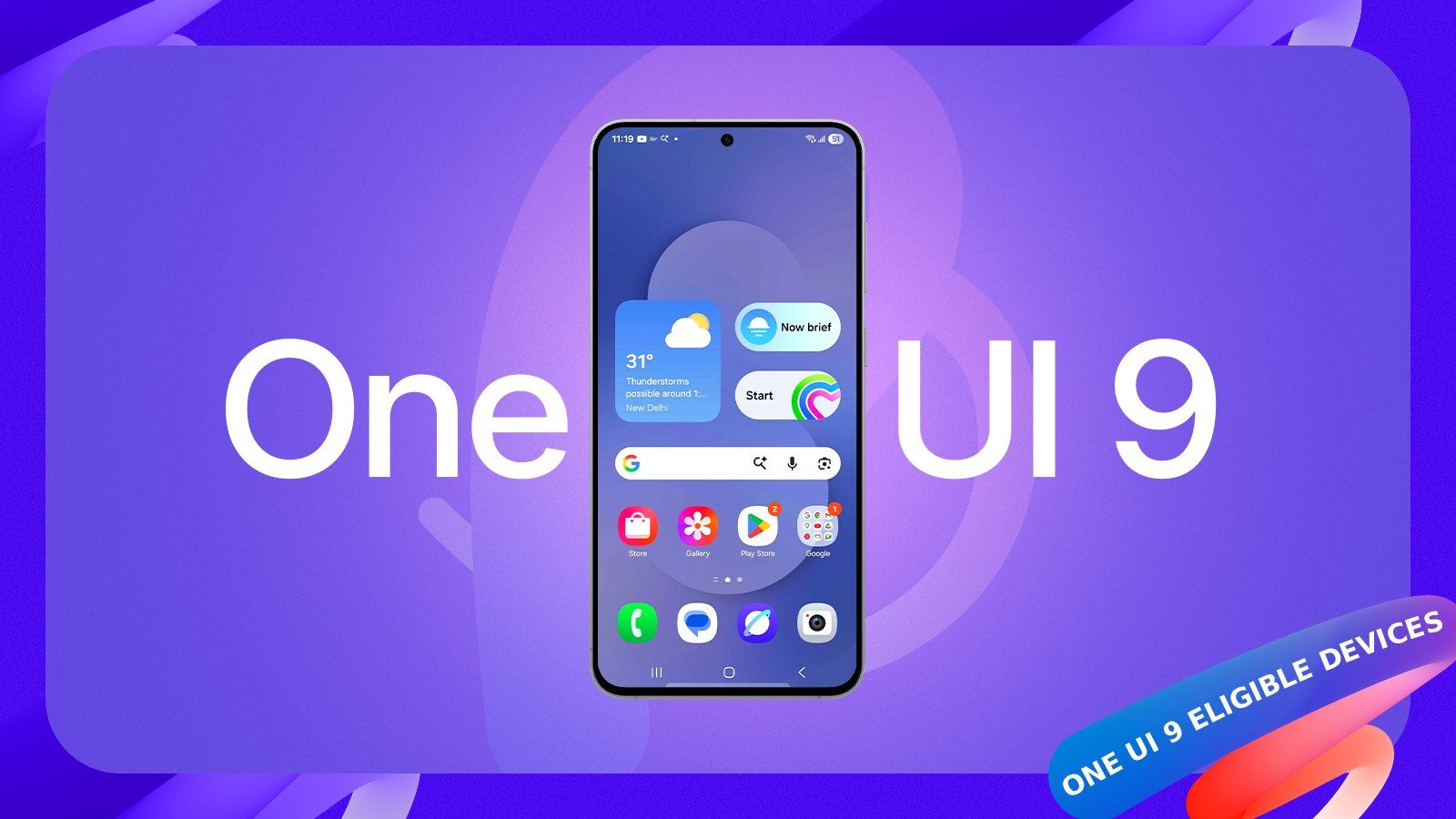
Samsung’s rollout follows its familiar tiered pattern, with the new foldables leading and older hardware trailing into the winter.
| Rollout Stage | Devices | Expected Timing |
|---|---|---|
| Launch (out of box) | Z Fold 8, Z Fold 8 Ultra, Z Flip 8 | July 22, 2026 |
| First stable updates | Galaxy S26 series | July 2026 |
| Flagship expansion | S25 series, recent foldables | July–August 2026 |
| Older flagships & mid-range | S24, S23 series, A-series, tablets | August–December 2026 |
As always, Korea and Europe typically receive updates before the rollout widens globally, and Samsung has a habit of pulling dates forward when testing goes smoothly.
Final Verdict
One UI 9 is a study in quiet ambition. On the surface, it’s an incremental step — the sliders, the note tapes, the tidier Quick Panel are welcome but modest. Look closer, though, and this is the update where Samsung stops treating AI as a bolt-on feature and starts weaving it into the operating system’s core. Gemini Intelligence, if it delivers on its agentic promise, could reshape how people actually use their Galaxy phones day to day.
For anyone with an S26, the beta is already worth a cautious look if you don’t mind the occasional rough edge. For everyone else, the smart move is to watch July 22 closely: the foldables will set the tone, and the wider rollout will follow fast. And with a seven-year support runway attached, this is the software foundation your Galaxy will stand on for a long time to come. The refinement may be understated — but the intelligence layer underneath it is anything but.