An Avengers re-release was always going to win the weekend. Nobody seriously expected otherwise. The actual story from this weekend’s box office is what happened underneath that inevitable number one: two original, star-driven films, one uncomfortable and cheap, the other sprawling and expensive, both landed hard enough to suggest original movies aren’t as dead as Hollywood keeps assuming.
Robert Pattinson Bets on Discomfort, and It Pays Off
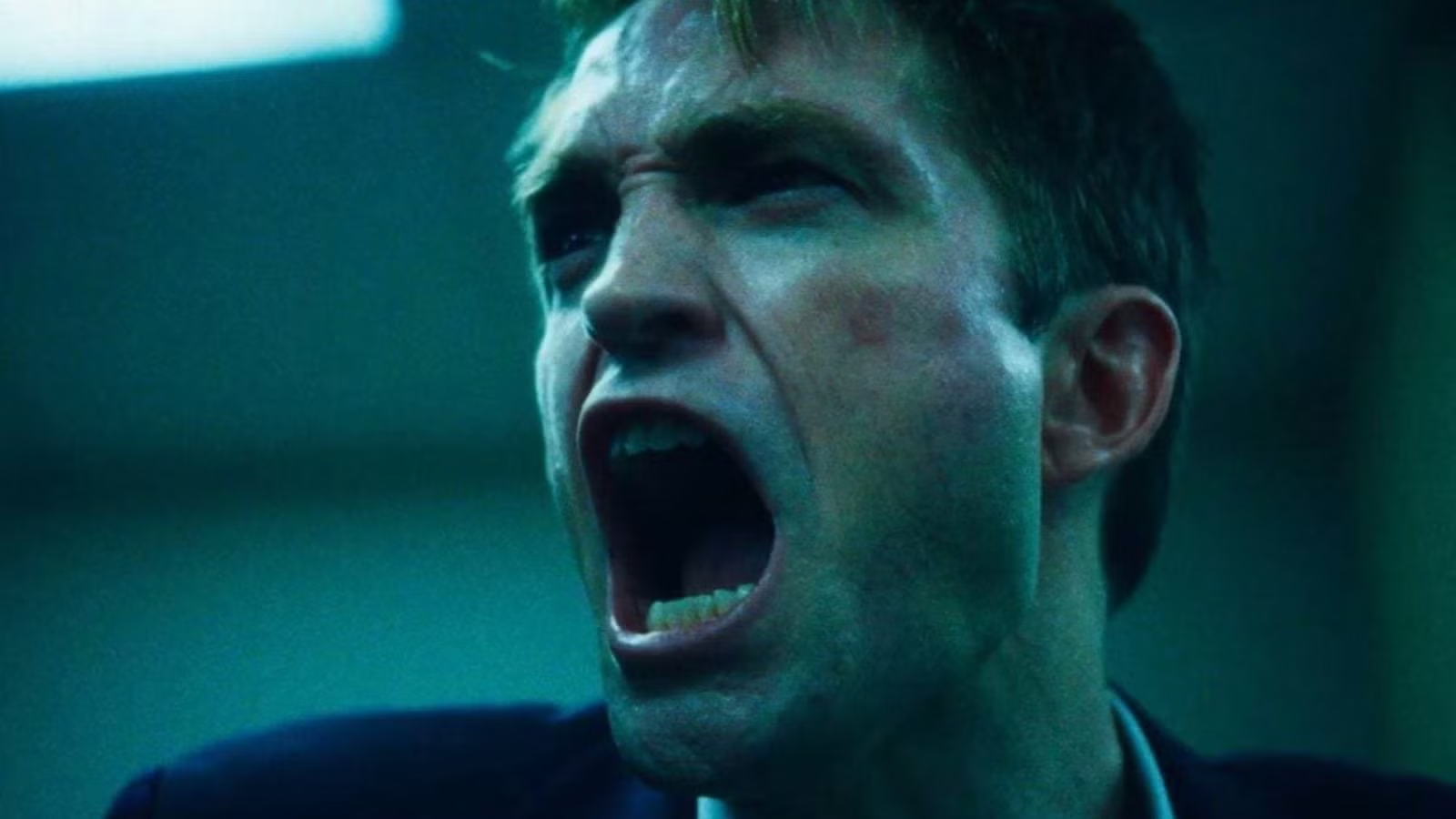
Primetime, Robert Pattinson’s crime drama loosely inspired by NBC’s “To Catch a Predator” reality series, opened to a per-screen average roughly four times the typical genre benchmark for original crime dramas. That’s an eye-catching number for a film built around genuinely uncomfortable subject matter, and it arrived alongside a B CinemaScore, respectable for a movie this tonally challenging, plus strong critical notices.
Pattinson didn’t just star in Primetime, he produced it, a detail that matters when you’re evaluating why an actor with his box office pull after the Batman franchise chose to put real skin in the game on a project this risky. The supporting cast, Phoebe Bridgers, Merritt Wever, and Skyler Gisondo, reads less like a commercial ensemble and more like a deliberate swing at prestige credibility, the kind of casting choice studios make when they’re betting on reviews and awards conversation rather than four-quadrant appeal.
Why the Budget Number Matters More Than the Opening
The detail that should actually excite anyone tracking the economics of original filmmaking is the budget: under $20 million. A crime drama with that production cost doesn’t need a blockbuster opening to be a financial win, it needs a respectable one, and an opening running roughly four times the genre average clears that bar comfortably. In an industry increasingly obsessed with nine-figure franchise bets, a sub-$20-million original film turning a clear profit on its opening weekend alone is the kind of result studios should be paying closer attention to than they usually do.
Brad Pitt Goes the Opposite Direction, and It Works Too
Heart of the Beast took the bigger swing. Directed by David Ayer and filmed on location in New Zealand, the film centers on the bond between a retired military veteran and his combat dog, a wilderness survival story built for the kind of broad, emotional, PG-13 appeal that Primetime deliberately avoided. It landed an A- CinemaScore, a strong signal of audience satisfaction that tends to translate into steadier weekday performance even after opening weekend buzz fades.
At $80 million, the production budget puts considerably more pressure on Heart of the Beast to perform than Primetime carried, but the film’s opening was still described as strong relative to genre norms for original action-adventure titles. Ayer, a director whose filmography swings between gritty crime work and large-scale action spectacle, seems to have found a register here, man-and-dog survival drama, that plays well with the PG-13 family and adult-adventure audience simultaneously.
The Streaming Safety Net
Industry analysts covering the film’s opening flagged something worth noting for a movie carrying an $80 million budget and a rating built for broad appeal: even if theatrical numbers don’t fully cover the production cost, Heart of the Beast is positioned to recoup through streaming and television distribution given how well PG-13 survival dramas tend to perform in the home-viewing afterlife. That’s not a knock on the film’s theatrical run, it’s simply an acknowledgment of how modern film economics work for mid-budget originals that aren’t franchise tentpoles.
Avengers: Endgame Encore Still Owns the Weekend
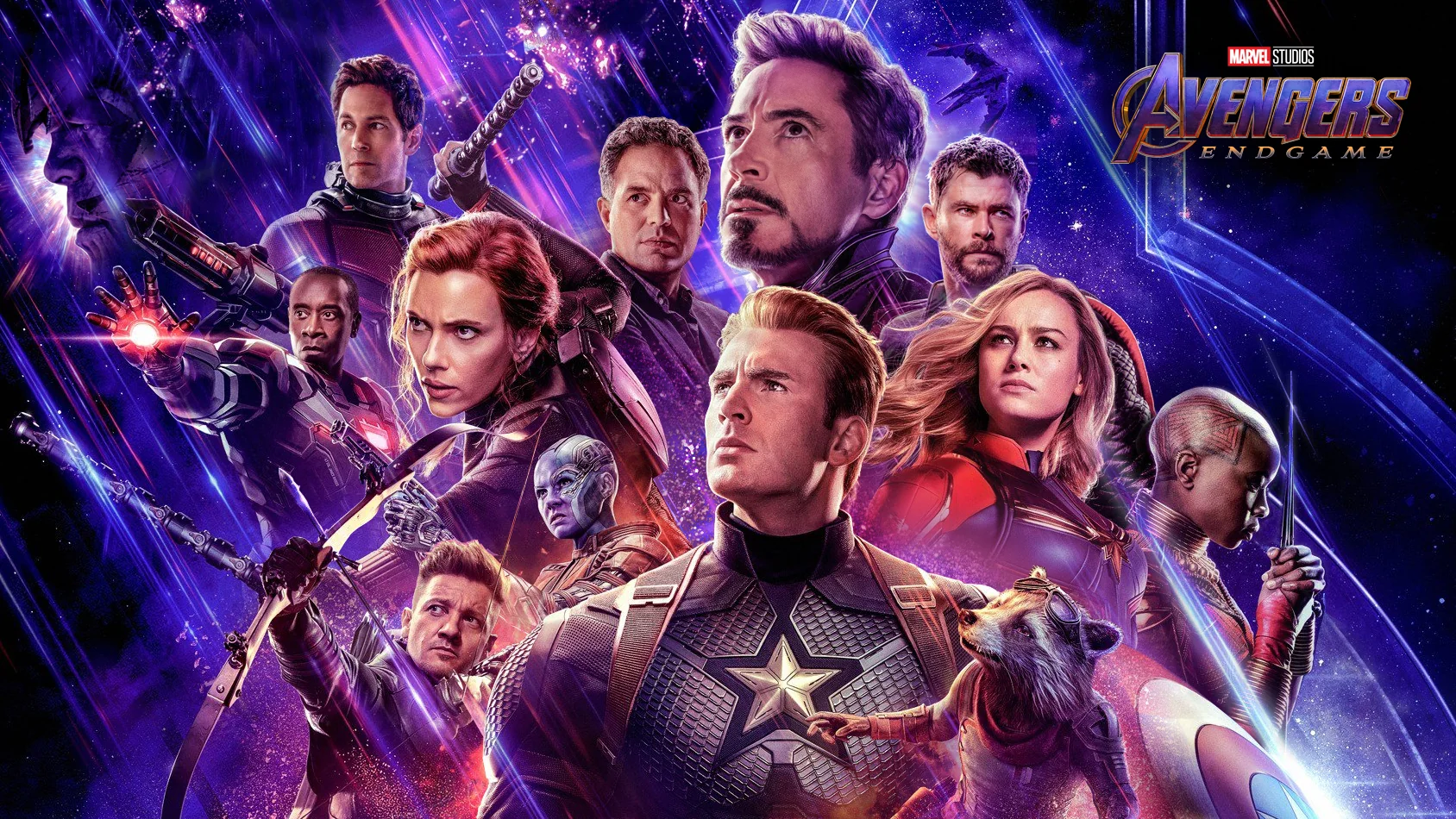
None of this changed who actually won the box office chart. The Endgame re-release continued to dominate, pulling numbers that outpaced both new releases combined and drawing comparisons to the rare air of Star Wars and Lion King 3D theatrical re-releases, the kind of company few films outside of Disney’s own catalog ever get mentioned alongside. Marvel clearly still has an audience willing to pay full price to relive a five-year-old ending on the big screen, and that demand shows no sign of fading with repetition.
What Three Very Different Films Opening Together Tells You
There’s something genuinely useful in the fact that a superhero re-release, a cheap and uncomfortable crime drama, and an expensive man-and-dog survival epic all found their audience on the exact same weekend, without cannibalizing each other into disappointing numbers across the board. It suggests moviegoers aren’t just showing up for one kind of film right now, they’re showing up for whatever’s well-made and clearly marketed, regardless of genre or budget tier.
- Primetime proves a sub-$20-million original with a strong cast and a clear directorial voice can still turn a profit on opening weekend alone
- Heart of the Beast proves a mid-budget original with broad appeal and a distinctive hook can post a strong CinemaScore and open well against much bigger competition
- Endgame Encore proves nostalgia-driven re-releases remain one of the safest bets in the current theatrical marketplace
What This Means
Hollywood spent the past few years treating original films as an increasingly risky proposition, leaning harder into sequels, remakes, and re-releases as the safe path to opening weekend numbers. This weekend complicates that narrative. Two original films, working at opposite ends of the budget and tone spectrum, both delivered strong CinemaScores and openings that clear their respective bars for success, in the same frame as one of the most reliable re-release strategies in the business. If studios are paying attention, the takeaway isn’t that original movies are dead. It’s that original movies with a clear point of view, a committed star, and a budget that matches their ambition can still work, even sharing a weekend with a Marvel comeback tour.