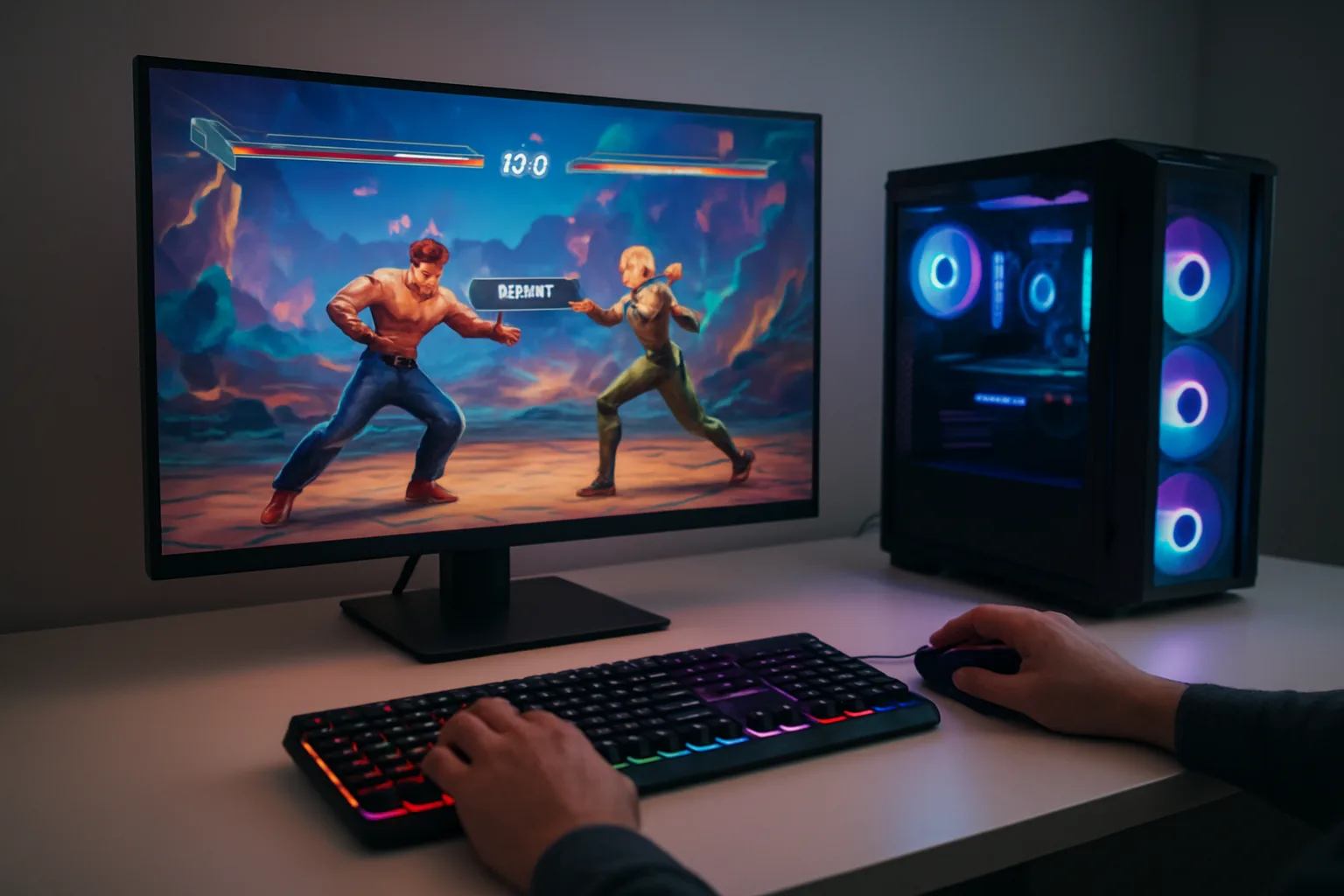
Marvel Tōkon: Fighting Souls just pulled off the comeback PC players were begging for. After a rough launch week on desktop, a new patch is dramatically improving performance for many, slashing CPU load and scrubbing out the worst of the stutter that made the game hard to enjoy.
The update doesn’t magically erase every problem, but for a lot of Marvel Tōkon: Fighting Souls players, the difference is night and day. And it arrives fast enough that the game might dodge the long-term “broken on PC” stigma that has sunk plenty of fighters before it.
What the Marvel Tōkon: Fighting Souls patch actually fixes
On paper, the patch focuses squarely on the biggest technical headaches for PC users. Marvel Tōkon: Fighting Souls had been hammering CPUs and hiccupping during matches, even on rigs that should have chewed through a fighting game without breaking a sweat. Players reported:
- Micro-stutters during matches
- Unusually high CPU usage
- Frame-rate drops that undercut timing and inputs
The developers traced a lot of that bad behavior to how the game was handling sound. A detailed breakdown of the update points to “periodic audio processing” and unnecessary recurring checks of audio devices as key culprits behind the spikes in CPU use and the hitching many players were seeing mid-fight. In other words, the game was doing far more behind-the-scenes audio housekeeping than it needed to, and your processor was paying the price.
The patch reins that in, and early impressions suggest it’s working. Reports from players across social platforms and community channels describe significantly lower CPU usage and smoother matches. One player noted that CPU consumption was effectively cut in half on their system, and that online matches now feel much more stable, even against opponents in other regions.
Performance gains: a genuine 180 for many PC players
This isn’t a subtle tweak. For a large chunk of Marvel Tōkon: Fighting Souls fans on PC, the update is the difference between “barely playable” and “tournament-ready.” Multiple players say they’re finally getting consistent frame rates where before they were wrestling with constant hitches, even when nothing else on their system changed.
The turnaround has been fast enough that community sentiment is already shifting. Some players are returning to the game’s Steam page to reverse their initial negative reviews, explaining that they’re changing to a recommendation now that the 10GB patch—rolled out on August 10, 2026—has landed. One reviewer who had previously flagged the launch as “near unplayable” now calls Marvel Tōkon: Fighting Souls one of the best fighting games in years, specifically because the performance issues have been addressed.
That doesn’t mean the PC version is universally flawless. Some users on low-spec machines say their experience is still rough, and there are ongoing complaints that the game’s online netcode isn’t yet on par with some of its genre peers. But the core performance picture has improved dramatically for the majority of players posting impressions.
Beyond the frame rate: quality-of-life tweaks
The update isn’t just about CPU load. A handful of smaller, but important, bugs have been cleaned up as well—exactly the kind of paper cuts that can quickly sour people on a new competitive game.
Key fixes include:
- Customisation settings no longer reset to default when the game restarts.
- Button inputs in online lobbies now display properly, reducing confusion when setting up matches.
None of these are headline features on their own, but together they make Marvel Tōkon: Fighting Souls feel more stable and properly finished. When you’re trying to sell a serious tag fighter to a hardcore audience, that polish matters as much as any flashy cinematic super.
How to squeeze the most out of Marvel Tōkon on PC
The developers aren’t leaving performance gains entirely to the patch notes. They’re also pointing players toward a couple of in-game tweaks that can help Marvel Tōkon: Fighting Souls run even better on PC.
Two tips stand out:
- Warm up the shaders in-game. Precompiling shaders before you dive into matches can smooth out the first-time hitching that often plagues new PC titles.
- Use the Auto Graphics option. The automatic graphics setting—already a popular community workaround before the patch—has been improved and can now do a better job of balancing visual quality with performance for your specific setup.
These options don’t replace the patch, but they stack with it. If you bounced off Marvel Tōkon: Fighting Souls last week because it ran terribly, a fresh install plus a quick settings pass is absolutely worth trying now.
Why this patch matters for Marvel Tōkon’s future
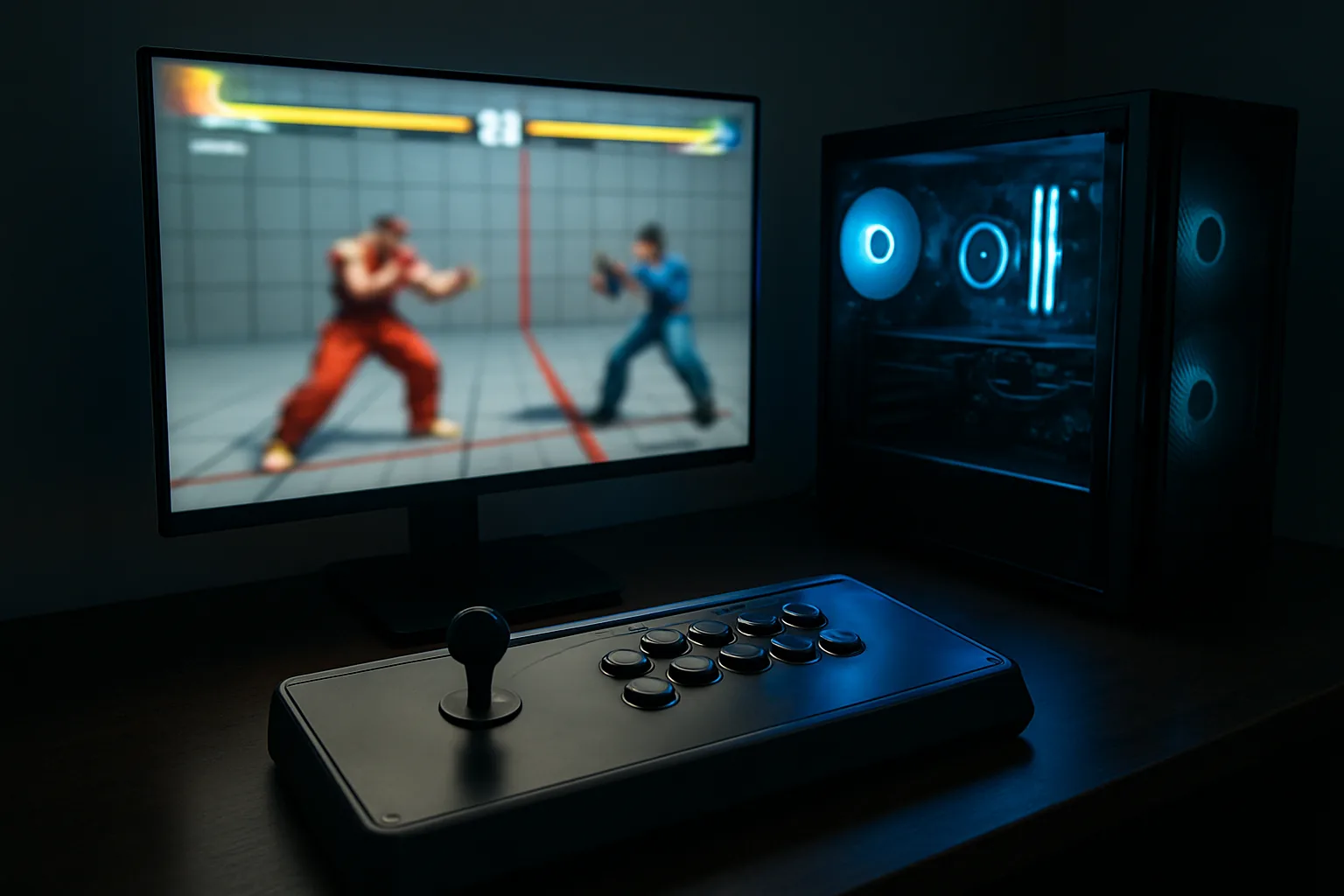
Fighting games live and die by trust. Players need to believe that when they hit a button, the character on-screen will respond exactly when they expect. Early PC performance issues broke that trust for Marvel Tōkon: Fighting Souls. High CPU usage and random stutters don’t just make a game feel rough; they change how it plays in subtle and infuriating ways.
A swift, effective patch like this sends a different signal: the team is watching, listening, and willing to move quickly when something’s broken. That can be the difference between a community that walks away and one that sticks around long enough for balance patches, new characters, and tournament circuits to take shape.
The timing is crucial. Marvel Tōkon: Fighting Souls is a new tag fighter in an already crowded space packed with established heavyweights and rising indie darlings. Launching with “mixed” reviews on Steam because of technical issues is a brutal handicap. Fixing the worst of those problems within days gives the game a shot at rewriting that first impression before it calcifies.
PC vs. console: closing the gap
At launch, there was a real sense of disparity between console owners and PC players. Console versions of Marvel Tōkon: Fighting Souls didn’t suffer from the same level of performance trouble, leaving desktop fans wondering why their more powerful hardware was delivering a worse experience.
This patch goes a long way toward closing that gap. With CPU usage drastically reduced and stutters minimized for many players, the PC edition is finally behaving more like the version people expected from day one. That doesn’t just help competitive diehards; it matters for anyone who uses PC as their main platform and has been waiting on the sidelines to see if the port would be fixed or quietly abandoned.
There’s still room to improve—especially with online play and support for lower-end machines—but Marvel Tōkon: Fighting Souls no longer feels like the “bad” version of the game by default.
What This Means
Marvel Tōkon: Fighting Souls has gone from a worrying PC launch to a cautiously promising recovery in the space of a single hefty update. The 10GB patch reins in runaway CPU usage, cuts down on micro-stutters, and tidies up a handful of annoying bugs. Combined with shader warming and improved Auto Graphics settings, it finally lets many players see the fighter beneath the frustration.
If you wrote Marvel Tōkon: Fighting Souls off after its first few days on PC, this is the moment to reassess. The game still has work to do, particularly online, but the core performance complaints that dragged its reputation down are no longer the defining story. Instead, the focus can start to shift back to where it should have been from the start: how the game actually plays.