Madonna spent decades being the artist other pop stars measured themselves against, and this week she handed that measuring stick to Charli XCX for a duet built entirely out of nostalgia for a club that closed before most of Charli’s fans were born.
What “Danceteria Afterhours” Actually Is
The track is a reworked version of “Danceteria,” a song from Madonna’s Confessions II album that came out this past July. This new version, released Friday and featuring Charli XCX, is part of what Madonna is calling the Confessions II “Afterhours” remix series — a rollout format that takes songs from the original record and rebuilds them with different collaborators and different textures rather than just handing them off for a standard remix.
The title isn’t a random flourish. Danceteria was a real nightclub in downtown Manhattan in the early 1980s, and it’s the club where Madonna herself got her start, performing there before she was Madonna the icon and just Madonna the singer trying to get a crowd’s attention. Naming a 2026 track after it is Madonna pointing directly at her own origin story and inviting a very different generation’s pop star into it.
Two Different Clubbing Educations, One Song
What makes the collaboration interesting isn’t just the pairing of names — it’s how differently the two artists’ formative years in club culture actually looked, and how the song tries to hold both at once. Madonna’s references go straight to the source: Fab 5 Freddy, Jean-Michel Basquiat, and the Rock Steady Crew all show up, name-checking the downtown New York scene of hip-hop, graffiti art, and breakdancing that Danceteria the club was steeped in during her early years there.
Charli’s side of the song pulls from a completely different, much more recent lineage — her own early performances in London clubs, and her formative work in Los Angeles alongside A.G. Cook and the late SOPHIE, two producers who effectively built the hyperpop sound Charli became known for. Rather than smoothing those two eras into one generic nostalgia trip, the track keeps them distinct, letting each artist’s specific memory of clubbing stand on its own inside the same song.
The Production Team Behind It
The credits explain some of why the track sounds the way it does. Madonna produced it herself alongside Andrew Watt, Cirkut, and Stuart Price — a combination that spans pop’s biggest current hitmaker (Watt has become the go-to producer for legacy artists chasing a contemporary sound), a hip-hop and pop veteran in Cirkut, and Stuart Price, who has quietly shaped some of Madonna’s most club-forward records going back to Confessions on a Dance Floor nearly two decades ago. That last connection matters: Price working on a song that explicitly revisits Madonna’s clubbing past isn’t a coincidence, it’s a callback to a producer who helped define what her dance-floor era sounded like the first time around.
What Charli Said About Working With Her
Charli didn’t play it cool about the collaboration. “She’s so cool,” Charli said of Madonna. “And she is so interested in really talking about the music that she makes, and why, and I found it very inspiring to hang out with her.” It’s a small quote, but it’s a notably genuine one for an artist not typically known for gushing, and it suggests the pairing wasn’t just a label-driven feature slot — there was an actual creative relationship behind it.
The two artists have reportedly been trading playful public exchanges for months leading up to this release, which tracks with how the song itself functions: less a one-off single than the visible result of an ongoing conversation between two artists a generation apart who clearly like talking shop with each other.
The Timing Isn’t an Accident
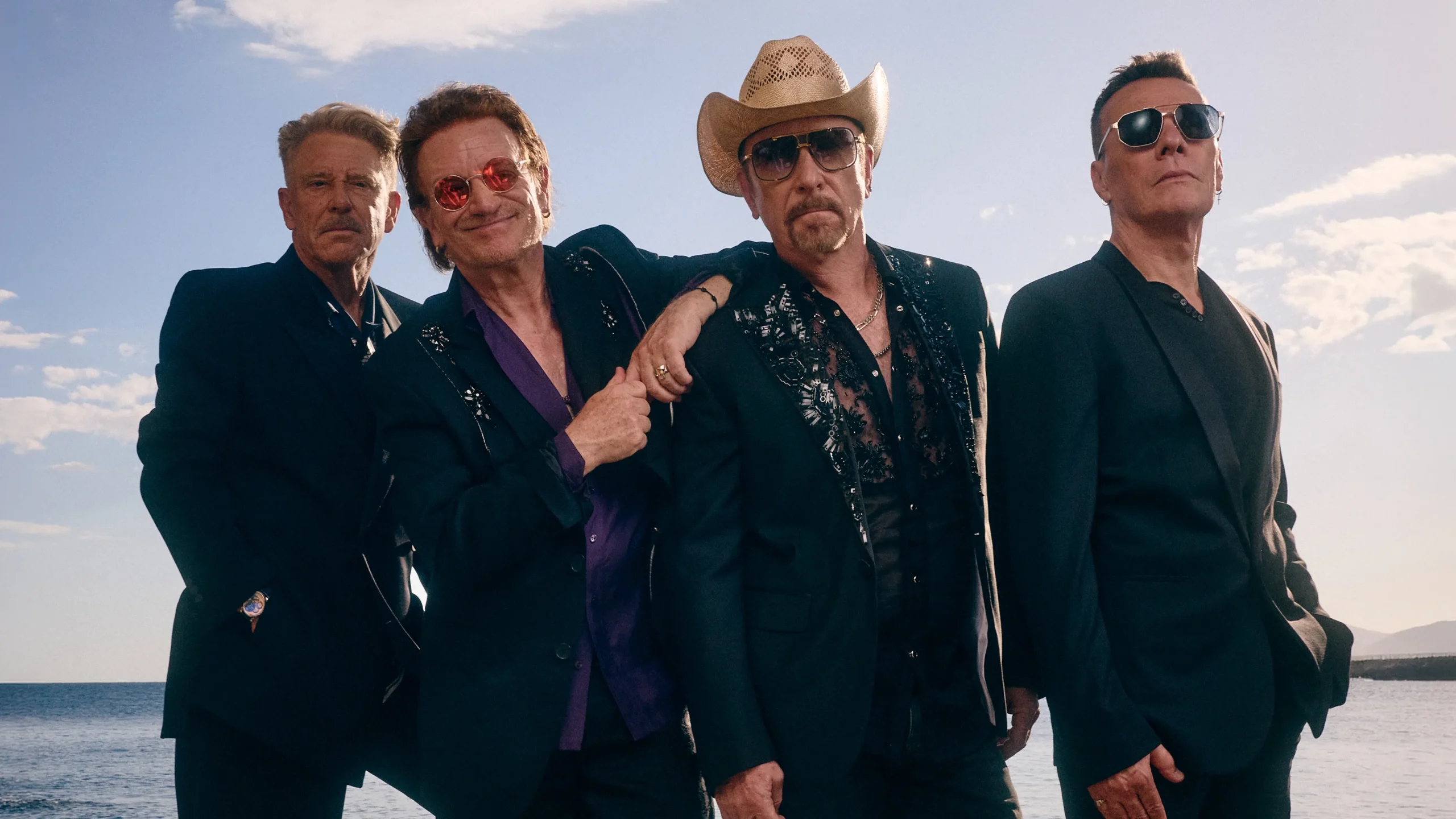
“Danceteria Afterhours” landing on a Friday puts it right in the middle of New Music Friday’s usual release cycle, alongside new material from Keo, U2, Sugababes, and Nothing But Thieves this week. But the more relevant date on the calendar is two days out: Madonna is set to perform at the MTV Video Music Awards on September 27. A high-profile collaboration track dropping just before a major televised performance is a classic setup move, and it raises the obvious question of whether Charli — or a live version of this song — might make an appearance during that VMAs slot.
Charli, for her part, is mid-cycle on her own album, Music, Fashion, Film, with a UK and Europe tour beginning in February 2027. A collaboration with Madonna right now functions as a bridge between her album cycle and Madonna’s remix rollout, giving both artists a reason to be in each other’s orbit at exactly the moment both have something to promote.
What This Means
“Danceteria Afterhours” works because it doesn’t try to erase the gap between a 1980s downtown New York club kid and a 2010s hyperpop pioneer — it puts both experiences side by side and lets the distance between them be part of the point. Whether it ends up remembered as a genuine artistic moment or a well-timed promotional pairing probably depends on what happens Sunday at the VMAs. If Madonna brings Charli out during her performance, this stops being a single track on a remix album and starts being the story of the night.