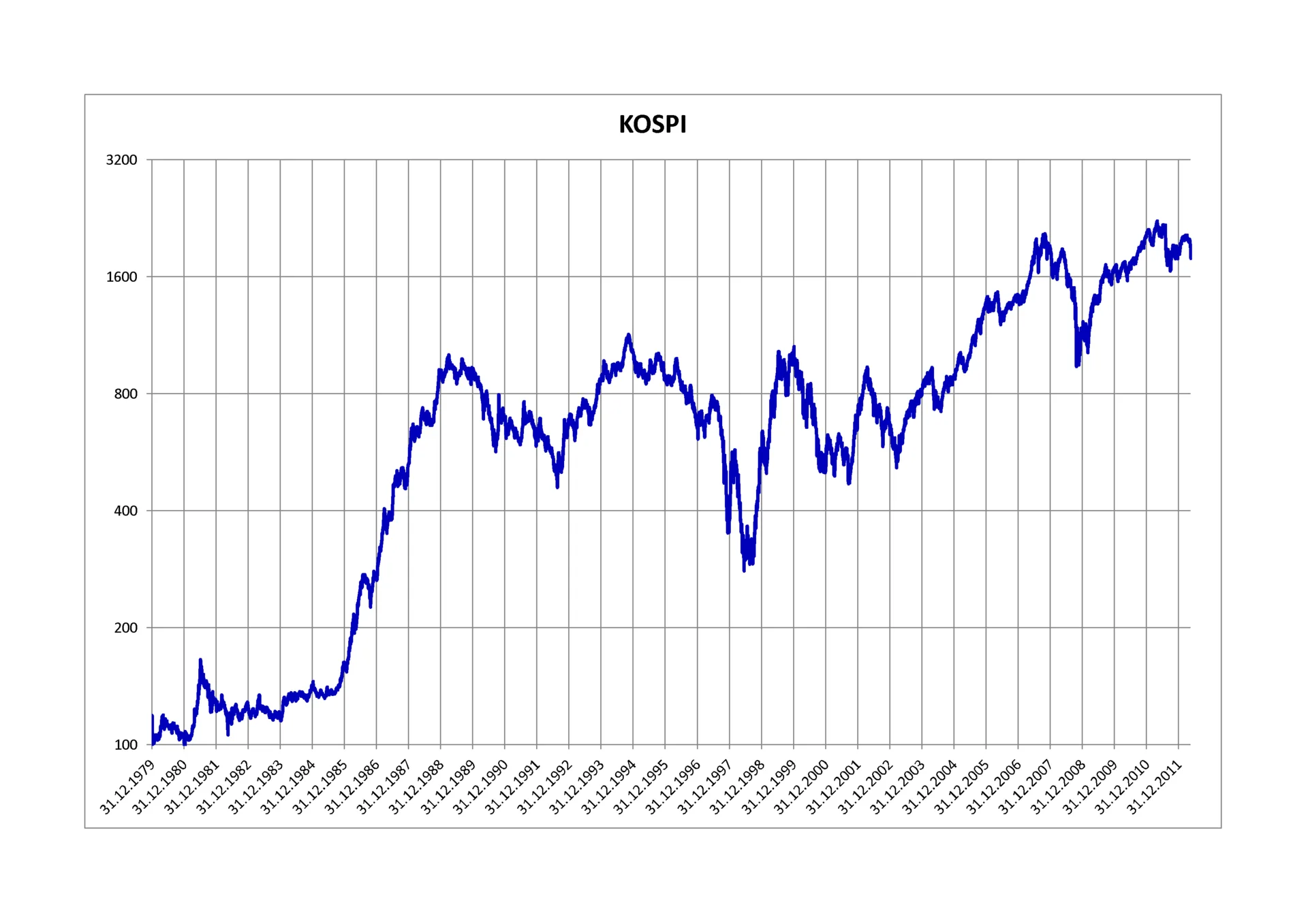
South Korea’s stock market just got a brutal reminder that the AI chip boom cuts both ways. The Kospi plunged around 8% on Tuesday as South Korean chip heavyweights Samsung Electronics and SK Hynix were hammered, dragged down by fears that the AI gold rush is getting riskier — and that China is catching up faster than investors expected.
The selloff in AI-related stocks hit right at the heart of the global semiconductor story. For months, chipmakers tied to high-bandwidth memory (HBM) and data center demand have been treated like can’t-miss bets. Now the Kospi crash is forcing investors to ask an uncomfortable question: what if the AI infrastructure buildout is overstretched, overleveraged, and facing sharper competition than the market has priced in?
Kospi’s 8% slide: when AI optimism turns into fear
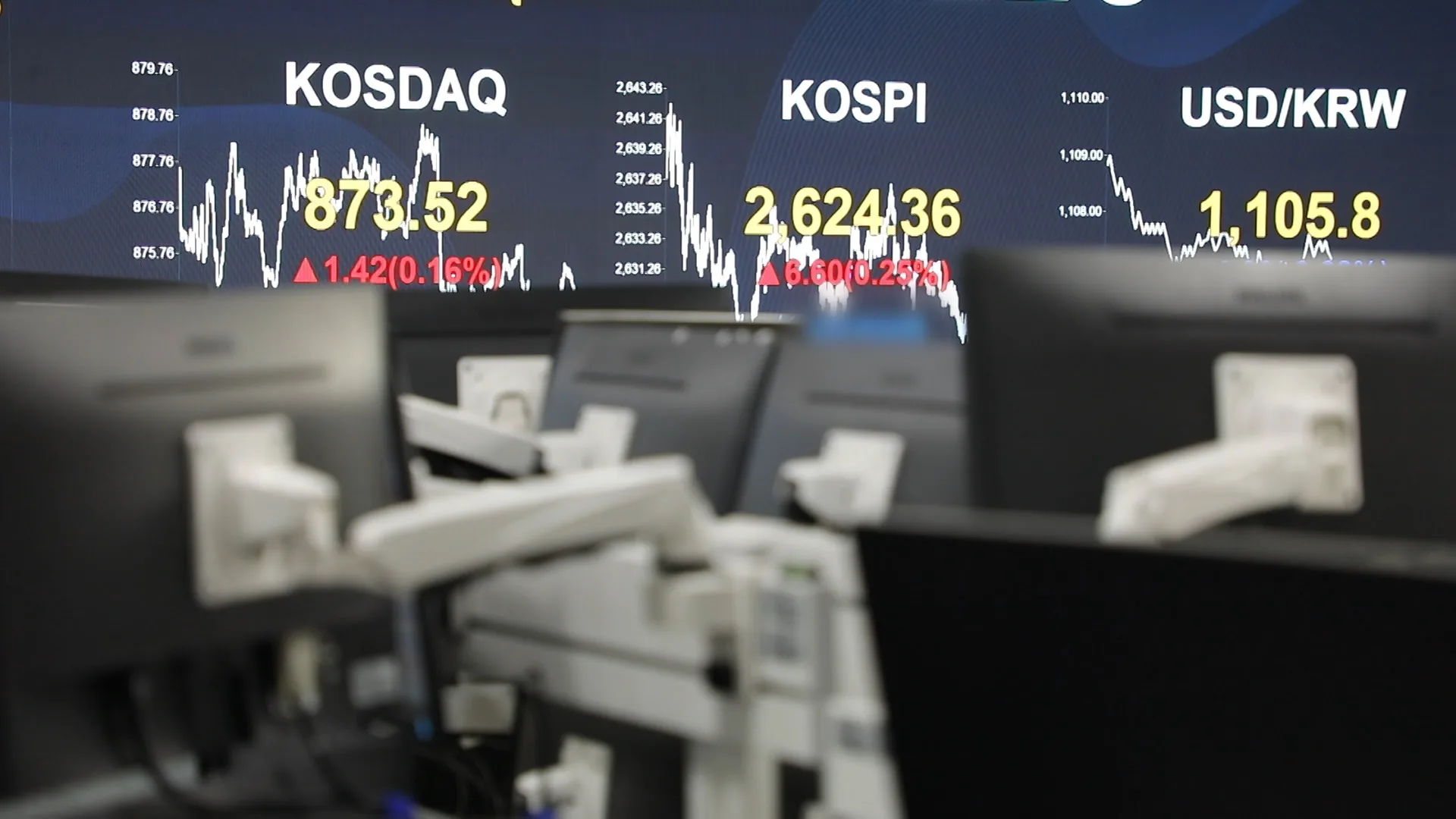
The benchmark Kospi was trading down about 8% as of 0120 GMT, a move that puts it firmly in crash territory for a single session. The biggest pressure point was obvious: chip stocks.
Samsung Electronics fell as much as 9.5%, while SK Hynix dropped up to 11.1% in intraday trade. That’s a steep reversal for companies that, until recently, were riding the AI wave to multi-year highs on the back of frenzied demand for advanced memory chips and data center hardware.
SK Hynix has been one of the biggest winners of the AI buildout as a key supplier of HBM chips to Nvidia, whose GPUs power many of the world’s most advanced AI systems. That made Hynix a favorite of traders looking for leveraged exposure to AI — and just as sensitive when sentiment turned.
The warning signs were already flashing abroad. SK Hynix’s US-listed shares slumped overnight to close at $143.02, slipping below their $149 initial public offering price. By the time Korea’s markets opened, the mood had already soured.
Financing risks cast a shadow over the AI infrastructure boom
What triggered such a sharp swing? A lot of it comes down to how much money is being thrown at AI infrastructure — and who’s actually footing the bill.
Investors are increasingly worried that the current AI spending spree, especially around data centers and cutting-edge chips, could be leaning on aggressive financing structures. The concern is that the returns from AI applications may not keep pace with the capital being plowed into servers, networking, and memory-heavy configurations.
One flashpoint was a report that Nvidia could provide roughly $250 billion in financial backing for an OpenAI data center project. Nvidia shares dropped nearly 5% on the news, as investors questioned just how much the world’s AI chip leader might be subsidizing its own customers to sustain demand.
If that kind of financial support becomes the norm rather than the exception, it raises tough questions: How sustainable is AI infrastructure spending if key suppliers must help bankroll it? And what happens to the broader ecosystem — including memory giants like SK Hynix and Samsung — if that model slows or breaks?
China’s chip push is no longer a distant threat
The other big fear running through Tuesday’s selloff: China isn’t just catching up in AI — it’s making real progress in some of the tools needed to build advanced chips.
Analysts pointed to reports that Chinese firms are developing domestic deep ultraviolet (DUV) lithography equipment. Those are critical tools for manufacturing memory chips and other semiconductors. Even though crucial details — such as which companies are involved, how capable their machines are, and when they’ll be commercialized — remain unclear, the headlines alone were enough to hit sentiment in a market that had already started to lose conviction.
The worry is straightforward. If Chinese memory makers gain greater access to homegrown lithography technology, they could ramp up capacity faster than expected. That would intensify competition in the global memory market, put downward pressure on prices, and squeeze margins for established players like Samsung and SK Hynix.
That anxiety was amplified by the strong stock-market debut of Chinese memory-chip maker CXMT. Its successful listing underscored that capital is flowing toward China’s semiconductor ambitions just as investors are starting to question the AI premium on Korean chip names.
When great earnings don’t save chip stocks
The latest rout also exposes another uncomfortable reality for AI-linked chipmakers: even strong earnings aren’t a guarantee of support anymore.
Analysts noted that despite better-than-expected results from Samsung Electronics earlier this month and from Alphabet last week, semiconductor shares still fell sharply after those reports. That’s a classic sign that good news is already baked into valuations — and that markets are hunting for the next reason to sell.
Heading into a cluster of earnings releases later this week, investors appear to be shifting from exuberance to caution. Instead of asking, “How high can AI chips go?”, they’re starting to focus on balance sheets, capital intensity, and the real-world demand profile for AI services.
Are AI workloads really as heavy as expected?
There’s another twist to the story that’s easy to miss if you only watch chip prices: the software side of AI might be getting more efficient, not more demanding.
The growing popularity of low-cost Chinese open-source AI models, including names like Kimi K3, has stirred doubts about whether the future of AI will look as hardware-hungry as the most bullish forecasts suggested. If developers can run useful models on less compute or cheaper infrastructure, that could weaken the long-term case for endless upgrades to the most advanced GPUs and HBM configurations.
For memory makers, this isn’t an abstract debate. HBM demand forecasts are built on the assumption that AI workloads will remain massively intensive and keep scaling up. Any shift toward models that are smaller, more efficient, or more broadly distributed across cheaper hardware could shave the top off those projections.
Layer that on top of China’s expanding role in both AI models and chip manufacturing, and it’s clear why markets suddenly decided to reprice risk.
Why the Kospi crash matters beyond Korea
On the surface, Tuesday’s selloff is about South Korea and two giant chipmakers. Underneath, it’s a stress test for the whole AI trade.
The current AI cycle has been heavily concentrated in a few places: US chip designers, South Korean memory suppliers, and hyperscale cloud operators building enormous data centers. When one leg of that stool wobbles — in this case, Korean chip stocks — the rest of the trade starts to look more fragile.
For global investors, the Kospi’s drop is a reminder that AI exposure is not a single bet but a chain of dependencies:
- Chip designers like Nvidia pushing the performance frontier.
- Memory makers such as SK Hynix and Samsung investing billions in capacity and new technologies like HBM.
- Cloud and AI companies committing to multi-year spending on infrastructure — often backed by complex financing.
- End users and developers actually deploying AI in ways that justify that spending.
Any crack at one link — financing strains, rising competition, or more efficient software undercutting hardware demand — can ripple through the rest.
What investors will watch next
The immediate focus now shifts to earnings and guidance from major chip and AI-adjacent companies. Markets will be looking less for blowout numbers and more for clues on three issues: how disciplined capital spending will be, how exposed each player is to financing structures around AI projects, and how they see competitive pressure from China evolving.
For Samsung and SK Hynix, the messaging around HBM capacity, pricing, and long-term contracts with major AI customers will be crucial. Any sign that customers are pushing back on pricing, stretching payment terms, or slowing deployment of new data centers could fuel fresh volatility.
Meanwhile, China’s progress will remain a key overhang. Even the perception that domestic DUV lithography is advancing — or that Chinese AI models can deliver “good enough” performance at lower cost — is now enough to move markets.
What This Means
The Kospi’s 8% crash is more than a bad day for South Korean chip stocks; it’s a warning shot for the entire AI-driven semiconductor rally. The narrative of unlimited demand for AI infrastructure is giving way to a more complicated story about financing risk, competitive pressure from China, and the possibility that AI workloads may not be as hardware-intensive forever.
None of this means the AI boom is over. But it does suggest that the next phase will be far more selective. Investors can no longer treat every chip stock with an AI label as a one-way bet. Balance sheets, exposure to Chinese competitors, and the durability of AI spending commitments are back in focus — and, after the Kospi’s brutal session, they’re likely to stay there.
Photo: Jashuah / CC BY-SA 3.0 via Wikimedia Commons | Photo: [출처표시] bada.kbs.co.kr / KOGL Type 1 via Wikimedia Commons