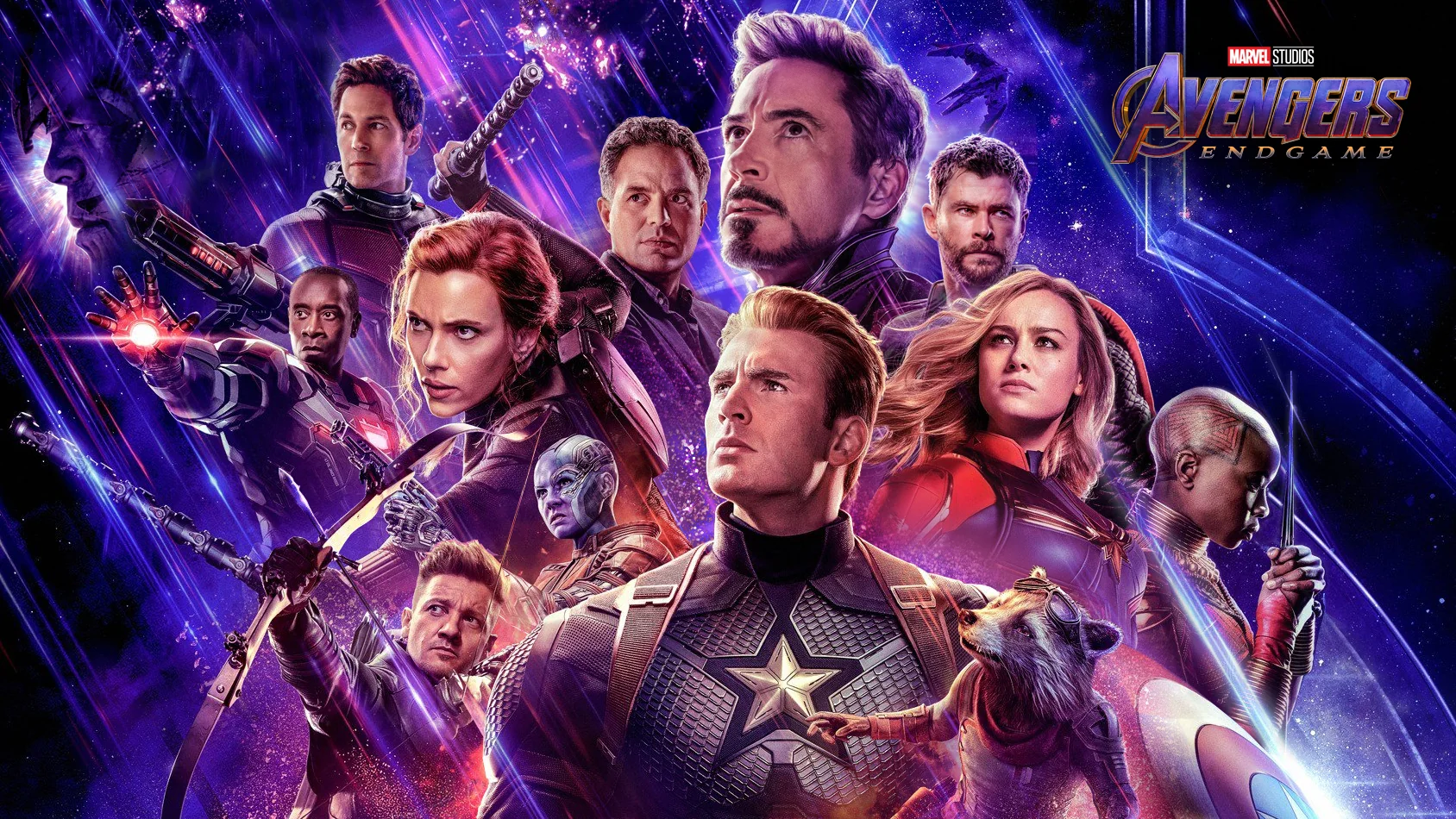
Nobody needed convincing that Avengers: Endgame was a hit. What Marvel needed was a reason to get people back into theaters for a movie that already made nearly three billion dollars the first time around. So the studio built one: a handful of new scenes, a fresh marketing hook, and a release date timed perfectly to remind audiences that the next Avengers movie is barreling toward them.
A Second Act Nobody Asked For, Except Everyone Kind Of Did
Avengers: Endgame: Encore opened at the top of the box office this past weekend with a global haul of $86 million, split between a $26 million domestic take and roughly $60 million from international markets. For a film audiences have already seen, some of them several times, in a theatrical run that wrapped years ago, that’s a genuinely strong number. It lands as the second-highest global debut ever recorded for a theatrical re-release, and domestically it slots in just behind the 1997 Star Wars Special Edition and Disney’s 2011 Lion King 3-D rerelease on the all-time re-release chart.
The mechanics behind that number matter as much as the total itself. Encore played in more than 3,000 theaters, and premium large-format screens — the Infinity Vision setups that command higher ticket prices — accounted for roughly 52 percent of the opening weekend’s revenue. Fans weren’t just showing up out of nostalgia; a majority of them were paying a premium to do it.
What’s Actually New
The pull wasn’t nostalgia alone. Marvel added footage that director Anthony Russo described as designed to “add depth to the Avengers’ story — while teasing what lies ahead,” material that connects directly to Avengers: Doomsday, arriving in theaters December 18 with Robert Downey Jr. stepping into the role of Doctor Doom. Notably, Russo and his team chose not to touch the original film itself. The new scenes were bolted onto the existing runtime rather than edited into it, a decision that preserves the movie longtime fans already know by heart while still giving them a reason to buy a ticket instead of just rewatching their Blu-ray at home.
It’s a savvy piece of franchise management, arguably savvier than releasing a traditional trailer would have been. A trailer competes for attention across every screen and platform simultaneously. A theatrical re-release with exclusive footage forces the choice: see it in a cinema, on a big premium screen, or don’t see the new material at all until it eventually surfaces online. Marvel bet that enough Endgame fans would choose the theater, and the bet paid off.
The Milestone Nobody’s Ignoring
The re-release also pushed Endgame’s lifetime global gross to $2.885 billion, keeping it in second place on the all-time chart and just $39 million behind Avatar’s long-standing record. That gap is close enough that another strong weekend or two could put Endgame back in serious contention for the top spot, more than seven years after its original release — an almost unheard-of scenario for a film that’s already had its full theatrical run and years of streaming availability.
Zoom out further and the number gets even bigger: this re-release pushed Marvel Studios past $35 billion in cumulative box office across its 38 films, a figure that has no real rival among modern movie franchises. Whatever criticism gets leveled at the studio’s recent output — and there’s been plenty over the past couple of years — the underlying commercial engine is still running.
A Crowded Weekend, But Not Crowded Enough
Endgame: Encore didn’t have the weekend to itself. Zach Cregger’s Resident Evil held strong in its second weekend with $23.3 million, pushing its domestic total past $103 million and its global haul above $196 million, quietly becoming the highest-grossing entry the franchise has ever produced. Brad Pitt’s wilderness survival drama Heart of the Beast opened to a solid $20 million against an $82 million budget, while Primetime, the Robert Pattinson-led drama built around the Chris Hansen character, debuted to $19.1 million and an unusually strong 87 percent critical score. DreamWorks’ animated Forgotten Island badly underperformed with just $12.8 million, a rough sign for original animated fare in a marketplace increasingly dominated by sequels, reboots, and, apparently, re-releases of movies audiences already own on four different formats.
What This Means
The real story here isn’t that an old movie made money again. It’s what Marvel’s willingness to engineer that outcome says about how the studio plans to market Doomsday over the next few months. Expect more of this: exclusive footage drops tied to unconventional release windows, designed to generate box office data and press coverage simultaneously rather than relying on a traditional trailer rollout. It’s a strategy that only works because Endgame carries enough emotional weight to get people back in theater seats for a movie they’ve already cried through once.
Whether that same trick works for future rereleases of less beloved entries in the catalog is a separate question, and one Disney will likely test soon enough. For now, the numbers suggest audiences are more than willing to pay twice for the right kind of nostalgia, especially when there’s a genuine reason to believe the next chapter is worth getting excited about.