The landscape of gaming is about to change forever. In a move that signals the final chapter for physical media in the console space, Sony is reportedly preparing to stop producing game discs for all new PlayStation releases starting in 2028. This strategic pivot, revealed through industry sources close to the company’s supply chain, marks the definitive end of an era—one where collectors, retailers, and players could hold a piece of their gaming library in their hands.
For millions of PlayStation loyalists, the disc slot has been a familiar companion since the original gray console debuted in 1994. But as download speeds soar and digital storefronts become the default, the business case for stamping, shipping, and stocking plastic discs has eroded. According to the report, Sony’s decision is driven by a relentless surge in digital game sales, which now account for well over 70% of all PlayStation software revenue. Cutting physical production isn’t just a cost-saving measure—it’s a reflection of how the modern gamer consumes content.
The transition won’t happen overnight. The 2028 timeline applies specifically to new game releases. Existing titles already on store shelves will continue to be sold, and Sony’s manufacturing partners will still press discs for the PlayStation 4 and PlayStation 5 back catalog—at least for the foreseeable future. This gradual phase-out gives retailers like GameStop, Walmart, and Amazon time to adjust their inventory models, and it provides developers with a clear runway to design games exclusively for a digital-first ecosystem.
Why 2028? The date aligns with what many analysts believe will be the tail end of the current console generation and the possible arrival of the PlayStation 6. By making a clean break then, Sony can launch its next hardware as a purely digital platform—lowering manufacturing complexity, reducing the console’s bill of materials, and capturing a higher margin on every game sold through the PlayStation Store.
The move also puts Sony in lockstep with broader industry trends. Microsoft’s Xbox Series S has already proven that a disc-free console can thrive, and PC gaming abandoned physical media years ago without alienating its core audience. Sony itself experimented with the all-digital PS5, and the data from that install base likely accelerated this decision.
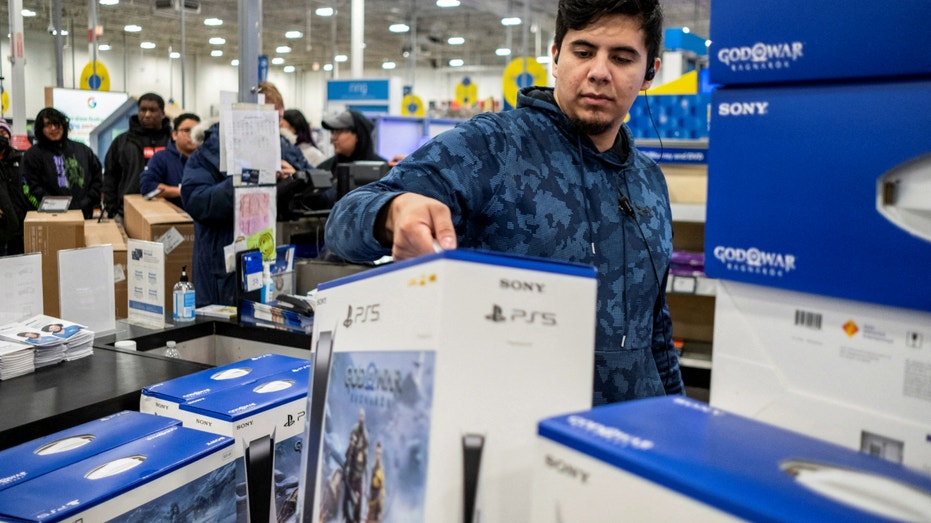
Yet the announcement will undoubtedly stir anxiety among collectors, preservationists, and internet users with unreliable or capped connections. A game locked to a digital account can vanish if a publisher’s license expires or servers go dark—a problem physical discs largely avoid. Sony has not detailed how it will address game preservation, but the company has quietly improved its backward compatibility and cloud streaming efforts, hinting that access, rather than ownership, is the new paradigm.
For the broader entertainment ecosystem, the shift is a bellwether. If the last major console manufacturer to cling to physical discs fully embraces digital, the ripple effects will hit disc replication plants, logistics networks, and the secondary market for used games. Trade-in programs and lending a disc to a friend could become nostalgic memories, much like renting a VHS tape.
So, what does this mean for you, the player? If you love the ritual of unboxing a new game, the 2028 deadline is your last call to build that physical collection. Between now and then, Sony will likely incentivize digital purchases with exclusive sales, pre-load perks, and subscription bundles through PlayStation Plus. The disc drive isn’t dead yet—but the clock is ticking.
Ultimately, Sony’s decision isn’t about abandoning gamers; it’s about following the money and the data. Physical games have been a beloved but increasingly inefficient delivery mechanism. As the sun sets on the era of discs, the industry is betting that convenience, instant access, and a vast digital library will more than make up for the loss of that satisfying click when a disc slides into the console. The future of PlayStation is bright—and it’s completely, unapologetically digital.