
Apple is gearing up to kick off 2027 with a hardware bang. The company is reportedly planning to release updated versions of its flagship iPad Pro and MacBook Pro lines early next year, signaling that its relentless chip upgrade cycle and display innovations will continue at full throttle. According to sources familiar with the plans, the new devices will be headlined by the next evolution of Apple silicon—likely branded as the M5 series—and are expected to arrive in the first quarter, possibly at a spring event in March or April.
The iPad Pro refresh is set to deliver more than just a speed bump. While the current M4-powered model already turned heads with its tandem OLED display and impossibly thin profile, the upcoming version is expected to push the display technology further with improved brightness and efficiency, while retaining the 11-inch and 13-inch size options. The M5 chip at its core will bring faster CPU and GPU performance, a more capable Neural Engine for AI-driven tasks, and enhanced power management that should extend the iPad’s already impressive battery life. Apple is also reportedly refining the Magic Keyboard accessory, adding a larger trackpad and a more laptop-like typing experience to blur the lines between tablet and notebook even more.
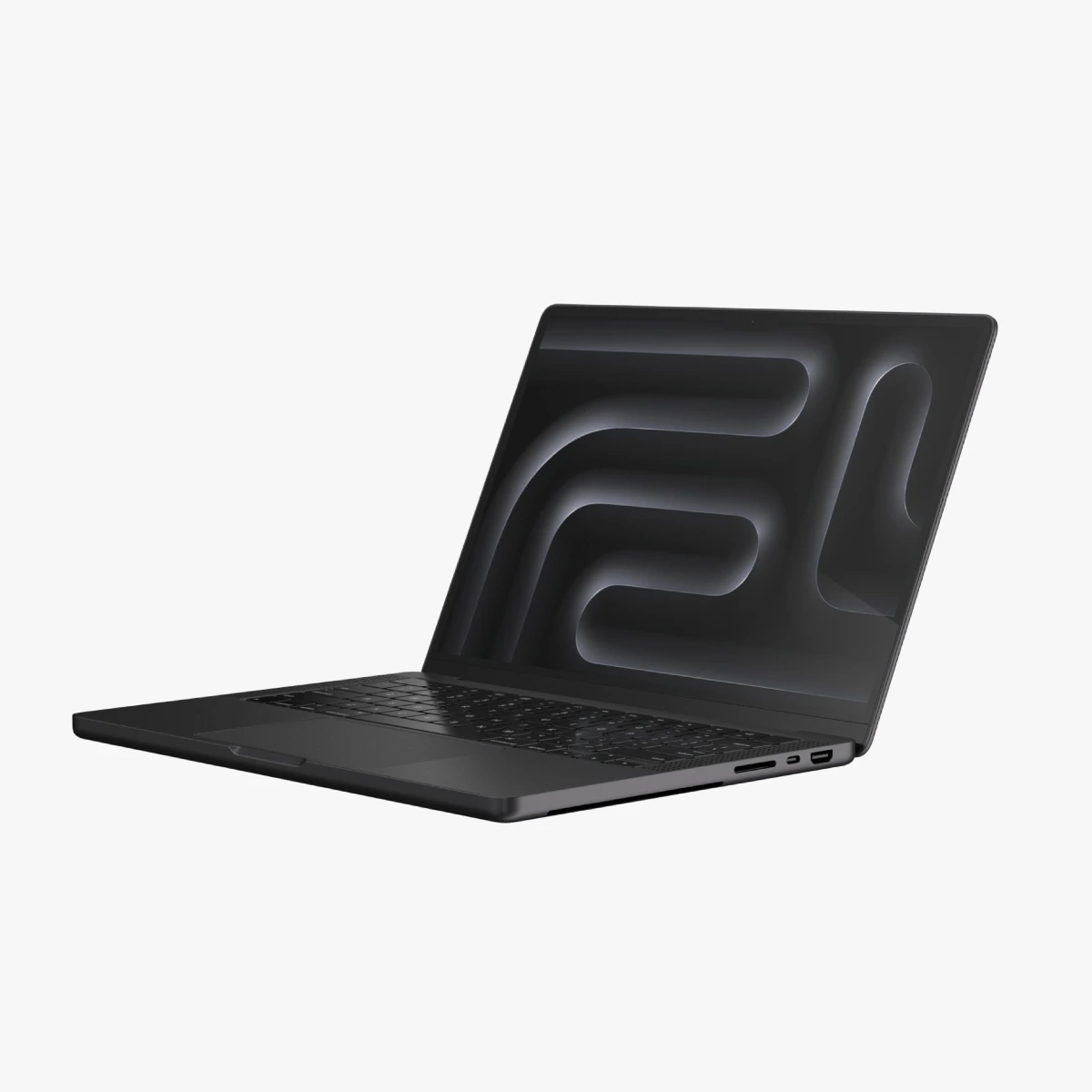
On the MacBook Pro side, the anticipated 14-inch and 16-inch models will similarly leap to the M5 Pro and M5 Max chips. The new processors are expected to be built on TSMC’s advanced 3nm process node, delivering double-digit percentage gains in single-core and multi-core performance while further optimizing energy consumption. Creative professionals and developers can look forward to snappier compilation times, smoother 8K video editing, and more responsive 3D rendering. Design-wise, the MacBook Pro chassis will likely remain largely unchanged—Apple settled into its current refined flat-edged aesthetic two generations ago and sees little reason to overhaul what works. Minor tweaks, like a higher-resolution webcam or an extra Thunderbolt port, are possible but not yet confirmed.
The timing of the launch aligns with Apple’s historical product cadence. The company has been aggressively iterating on its in-house silicon, and the M4 generation debuted in the iPad Pro in May 2024 before rolling out to the Mac line. An early 2027 introduction for M5-based iPad Pro and MacBook Pro would give the M4 roughly an 18-month run in those products, a cadence that keeps Apple competitive in a landscape increasingly dominated by AI PC platforms from Qualcomm, Intel, and AMD. It also positions Apple to capture the education and creative professional markets at the start of the spring buying season.
Beyond raw performance, the M5’s Neural Engine is expected to unlock a suite of on-device Apple Intelligence features that will be further expanded in the next versions of iPadOS and macOS. With privacy-focused AI processing becoming a key battleground, Apple’s vertical integration—designing chips, software, and hardware in lockstep—remains its most potent weapon. The early 2027 launch will give developers time to harness these capabilities ahead of Apple’s annual WWDC in June, where it often previews major OS updates.

While Apple has yet to officially confirm the release timeline, the supply chain signals are already lighting up. Component orders for display panels and new system-on-package designs have reportedly ramped up at Apple’s Asian manufacturing partners. Industry watchers note that a spring event featuring these updated devices would echo the company’s strategy from previous years, where it used a dedicated press briefing or video presentation to spotlight high-end product refreshes before the summer rush.
For consumers and enterprise buyers alike, the news means current-generation iPad Pro and MacBook Pro models will soon see modest price reductions as inventory is cleared. Those needing a new machine immediately may find deals in the coming months, but anyone with the patience to wait until early 2027 will be rewarded with tangible leaps in performance, display quality, and AI readiness. Apple’s early-year offensive is shaping up to be a defining moment for its most powerful portables—and a clear signal that the M-series journey is far from over.