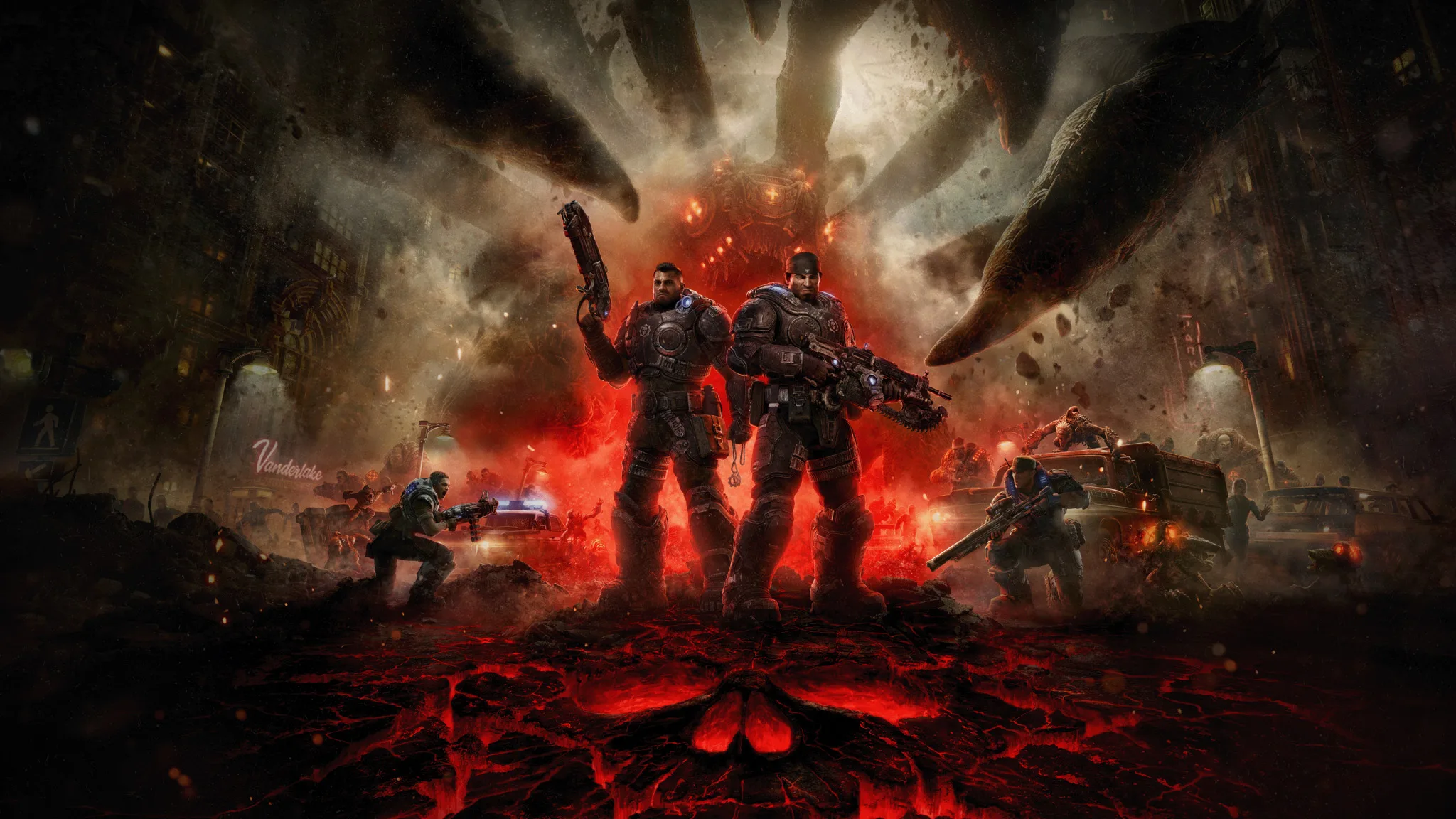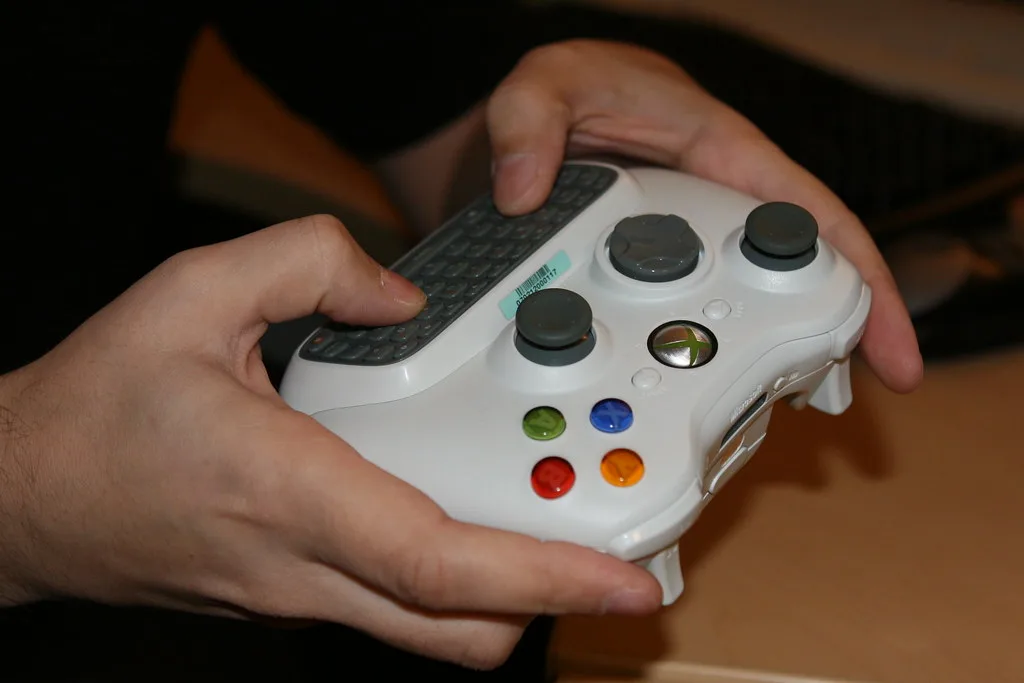
Microsoft’s long-promised push to bring more Xbox to more screens is about to hit its most interesting phase yet. The company is working on a way to play original Xbox and Xbox 360 games on PC, with the same system also powering backwards compatibility on its next-gen Project Helix console. For anyone who cares about game preservation or just wants their library to follow them, that’s huge.
Xbox 360 Games on PC: What’s Actually Happening
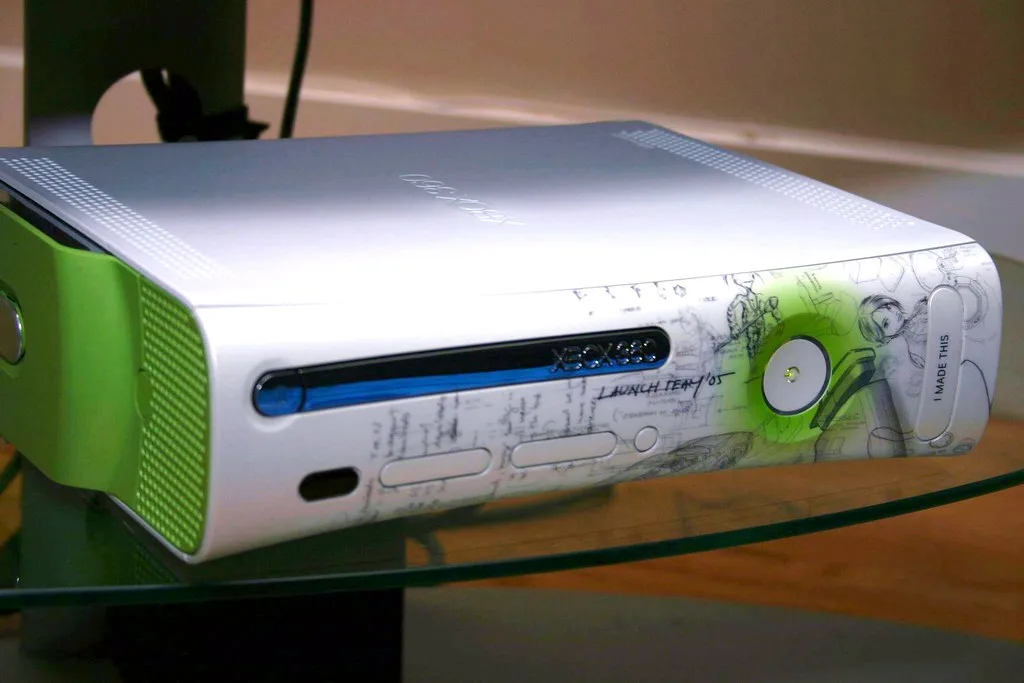
A newly circulated internal document shows Microsoft planning to let developers bring their Xbox 360 games to PC. These titles are described as running on “Xbox PCs” — essentially any Windows machine with the Xbox app installed, including handhelds that support it.
This isn’t a one-off experiment. The feature is framed as a structured program where developers can:
- Toggle backwards compatibility support for their Xbox 360 games
- Decide whether those games are sold on PC
- Set pricing themselves
- Choose whether to include them in Game Pass
In other words, this isn’t just a streaming list or a small curated collection. Microsoft wants the ecosystem of existing 360 titles to start living a second life on PC, provided publishers opt in.
From Original Xbox on PC to a Full Back-Catalog Push
The move doesn’t come out of nowhere. Microsoft has already confirmed plans to bring original Xbox games to PC, targeting an October 2026 launch. That was the first sign that its old console library wouldn’t stay trapped on aging hardware forever.
The new leak expands that timeline. Original Xbox support is the starting point; Xbox 360 follows as part of a broader, staged rollout. Microsoft intends to introduce this backwards compatibility layer gradually between 2027 and 2028 “across next-gen devices.” That phrasing matters, because it ties the PC plans directly to Project Helix.
Project Helix: A Console That Thinks It’s a PC
Project Helix is Microsoft’s next-generation Xbox, and the company’s own description of it is blunt: it’s a console that can play PC games. The details of how that works are still under wraps, but it strongly suggests Helix will sit even closer to Windows than current Xbox hardware already does.
Bringing original Xbox and Xbox 360 games to PC completes the circle. If Helix can run PC titles and Microsoft gets old Xbox games running on Windows, suddenly the divide between “console” and “PC” starts to look far more artificial. Your library becomes a set of licenses that move between form factors, not separate silos tied to a particular box under the TV.
For Helix owners, that means the same compatibility tech that powers 360 games on PC will also run those games natively on the next Xbox. For PC players, it means a formal, supported way to access a generation of Xbox history that previously required a console or unofficial emulation.
Why this is Bigger Than Just Nostalgia
On the surface, this is fan-service: fire up old favourites, relive the 360 era, dig into original Xbox curiosities you missed the first time around. But there’s a more strategic thread running through all of this.
First, it’s about longevity. When console hardware ages out, libraries too often get stranded. Moving original Xbox and Xbox 360 games to PC gives those titles a shot at surviving beyond any single generation. PC is the most stable platform in gaming — if a game lands there with proper support, it’s far more likely to stay playable for decades.
Second, it’s about flexibility. With Xbox games living on both PC and the next-gen console, Microsoft can tell players their purchases will carry forward regardless of where they upgrade. That’s a direct contrast to platform resets of older eras, and it pairs neatly with Game Pass, which already treats Xbox and PC as two sides of the same subscription.
And third, it’s about competition. As rivals shed disc drives and double down on proprietary ecosystems, Microsoft is pitching something else: a software-first Xbox where the lines between console and PC blur, but your access to games widens.
Disc-to-Digital: Bridging Physical Collections to a Digital-First Future
The same leaked plan also touches on another piece of the puzzle: converting physical Xbox games into digital licenses.
Microsoft has been exploring a disc-to-digital feature that would let you insert Xbox One or Xbox Series game discs into those consoles and receive a digital copy tied to your account. That license isn’t just floating free, though — it’s bound to both your profile and the disc itself.
Here’s the clever bit: if you pass that disc to someone else, the license can transfer with it. Ownership still behaves like a physical object, but you get the convenience of a digital copy in your library. This system becomes especially important because Project Helix is expected to launch without a disc drive at all.
The timeline has already slipped — an early beta and full launch were previously targeted for earlier this summer and haven’t materialised — but the fact the feature is still mentioned in current planning suggests it’s very much alive. It’s Microsoft’s answer to the inevitable question: what happens to all the game discs when the new box has no slot for them?
PC Handhelds Just Got a Lot More Interesting
One detail buried in the document points to another shift: Microsoft explicitly calls out “Xbox PCs” in a way that includes handheld gaming devices, like those that ship with the Xbox app preloaded.
If original Xbox and Xbox 360 games run on PCs that support the Xbox environment, Windows-based handhelds instantly become retro Xbox machines as well as portable Game Pass boxes. That’s a very different pitch from a traditional console cycle, and it aligns perfectly with Microsoft’s recent enthusiasm for handheld-friendly Windows builds and Xbox-integrated devices.
The idea of packing a slice of Xbox 360’s library into a backpack-sized PC is an easy win for enthusiasts — and it’s exactly the kind of feature that helps Xbox claw back some cultural mindshare without fighting a conventional console war on specs alone.
How the Rollout Could Play Out
Microsoft is planning a staggered rollout for all of this. The pieces we can see today look something like this:
- Original Xbox games officially arrive on PC around October 2026.
- Xbox 360 support comes online between 2027 and 2028 across next-gen devices, including PCs that run the Xbox app and Project Helix hardware.
- The disc-to-digital program, once it finally launches, helps migrate existing Xbox One and Series collections into a digital future — crucial for anyone planning to buy a disc-less Helix console.
The unknowns are just as important as the dates. We don’t yet know how extensive the 360 catalogue will be at launch, which publishers will participate, or what the technical solution looks like under the hood. Microsoft already has proven backwards compatibility chops on current Xbox hardware, so it’s reasonable to expect some mix of emulation, compatibility layers, and title-by-title optimisation.
What is clear is the intent: a unified Xbox ecosystem that leans on PC rather than treating it as a rival platform.
What This Means
Bringing original Xbox and Xbox 360 games to PC, and tying that work directly into Project Helix, is the clearest sign yet of where Microsoft wants Xbox to go. The future isn’t just another box; it’s an Xbox-shaped layer that runs across PCs, consoles, and handhelds, with your purchases and subscriptions in the middle.
If Microsoft pulls this off, it gets more than nostalgia headlines. It gets a long-term, software-centric Xbox strategy that survives hardware resets, rides the PC wave instead of fighting it, and treats preservation as a feature rather than an afterthought.
For players, it’s simple: your old Xbox games should work in more places, for longer, with fewer hoops to jump through. That’s the kind of backwards compatibility promise the industry has been dancing around for years. Now it looks like Xbox is finally ready to bet its next generation on it.
Photo: gamerscoreblog / BY-SA via Openverse | Photo: johnporcaro / BY-NC-SA via Openverse