Tesla has reported stronger-than-expected second-quarter 2026 vehicle deliveries, surpassing Wall Street forecasts and marking a continued recovery in global demand. However, despite the positive operational performance, the company’s stock saw mixed reactions as investors weighed strong delivery growth against already elevated expectations.
The results reinforce Tesla’s position as the dominant force in the global electric vehicle market, while also highlighting ongoing volatility in investor sentiment as the company shifts deeper into AI, energy, and autonomous driving initiatives.
Strong delivery beat across global markets
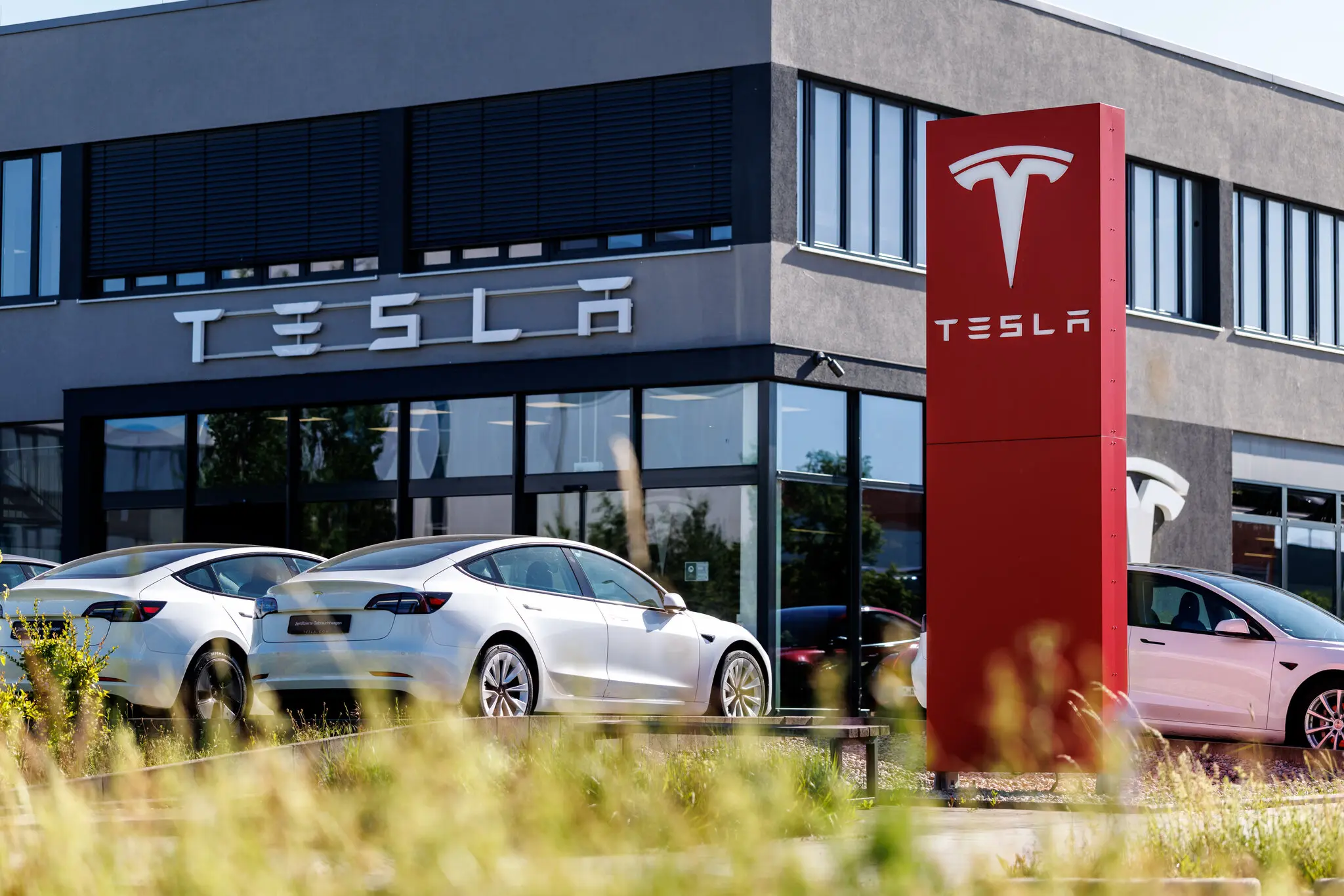
For the April to June quarter of 2026, Tesla delivered approximately 480,126 vehicles, significantly ahead of analyst expectations that ranged near the 400,000–420,000 level. Production reached around 451,758 units, with the company drawing from existing inventory to meet demand.
The performance represents a 25% year-over-year increase, signaling a notable rebound compared to weaker demand periods in 2024 and 2025. Growth was particularly strong in Europe, where sales recovery helped offset softer conditions in the United States.
Model 3 and Model Y continued to dominate Tesla’s delivery mix, accounting for the vast majority of global shipments, while Cybertruck and other models contributed a smaller share of total output.
Europe drives recovery while US demand remains uneven

A key factor behind Tesla’s better-than-expected quarter was the rebound in European markets. Strong EV incentives, rising fuel prices, and fleet electrification demand contributed to improved sales momentum across the region.
In contrast, U.S. demand remained more uneven, with analysts noting continued competition in the EV segment and pricing pressure across the industry. China showed moderate growth, supported by refreshed product cycles such as the updated Model Y.
This geographic imbalance highlights Tesla’s increasing reliance on international markets to sustain growth as domestic competition intensifies.
Stock reaction reflects “sell the news” behavior
Despite the strong delivery beat, Tesla shares fell in after-hours trading, reflecting a common “sell the news” pattern seen when results exceed already high expectations.
According to market reports, the stock declined between 3% and 6% following the release, even after rising sharply in the days leading up to the announcement.
Analysts noted that investor expectations had already been revised upward prior to the report, leaving limited upside surprise once the actual numbers were released. This dynamic has become increasingly common for Tesla, where anticipation often drives valuation more than short-term fundamentals.
AI, robotics, and energy remain long-term focus
Beyond vehicle deliveries, investors continue to focus heavily on Tesla’s expansion into AI, robotics, and energy storage systems.
The company has been investing heavily in autonomous driving technologies, including Full Self-Driving (FSD), robotaxi development, and its Optimus humanoid robotics program. These initiatives are increasingly central to Tesla’s long-term valuation narrative, alongside its traditional automotive business.
Energy storage deployment also continues to grow, with Tesla expanding its utility-scale battery systems, which are becoming a more meaningful contributor to overall revenue diversification.
Industry comparison shows mixed competitive landscape

Tesla’s strong quarter contrasts with mixed performance across the broader automotive industry. While some legacy automakers have reported declining EV sales, others such as Rivian have shown improvement in niche segments.
However, increased competition from both established manufacturers and new EV entrants continues to pressure pricing and market share, particularly in North America and Europe.
Tesla still maintains a leading position in global EV production, but its growth rate is increasingly tied to macroeconomic conditions, pricing strategy, and innovation cycles.
Outlook: growth returning but expectations remain high
The Q2 2026 results confirm that Tesla is returning to growth after a challenging period in 2024–2025. However, the market response suggests that expectations for the company are now extremely elevated.
With investors increasingly focused on AI-driven future revenue streams rather than purely automotive performance, Tesla’s valuation narrative is shifting beyond traditional car manufacturing metrics.
The upcoming earnings report later this month is expected to provide further clarity on margins, pricing strategy, and forward guidance across both automotive and AI-related segments.