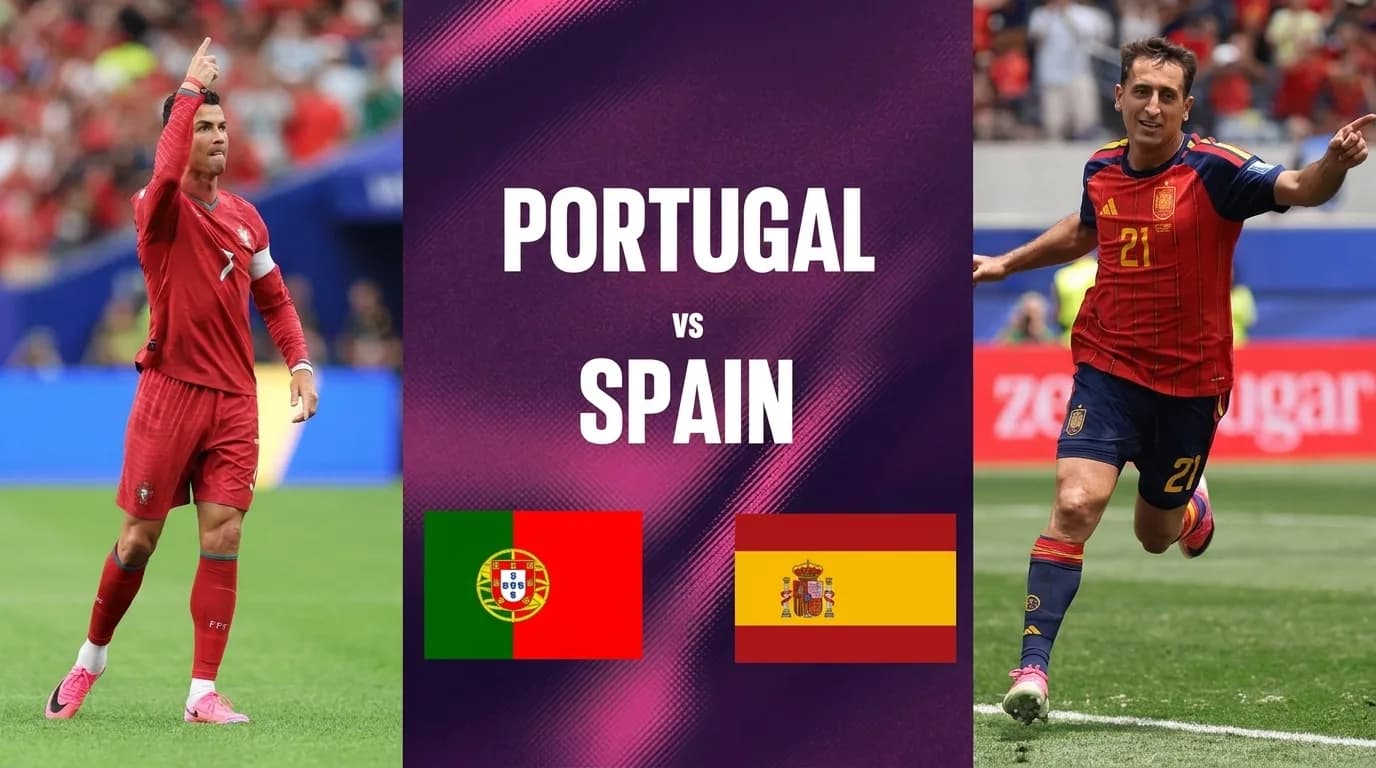
For 90 minutes, Portugal held the line. They frustrated the reigning European champions, rode their luck, leaned on a brilliant goalkeeper, and looked ready to drag Spain into extra time. Then, in the first minute of stoppage time inside a roaring Dallas Stadium, a substitute who had been on the pitch for barely six minutes ended it all — and with it, closed the book on Cristiano Ronaldo’s World Cup story. Spain 1, Portugal 0. La Roja march on. Ronaldo walks off, for the last time on this stage.
A Cagey Iberian Derby That Belonged to Spain
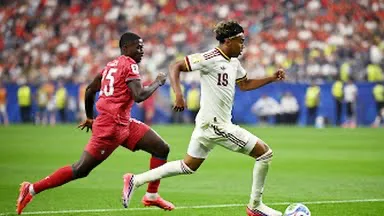
This was billed as a generational collision: Ronaldo’s farewell tour against the teenage brilliance of Lamine Yamal. What unfolded was less a spectacle than a slow strangulation. Spain controlled the tempo from the opening whistle, dictated possession, and pushed Portugal steadily deeper, even if the clear-cut chances were rarer than the pressure suggested.
The best early opening fell to Mikel Oyarzabal in the eighth minute. Played clean through by a perfectly weighted Dani Olmo pass, the striker inexplicably dragged his effort wide with only Diogo Costa to beat — seemingly convinced he was offside when he was not. It was the kind of miss that haunts knockout football, and for a long time it looked like it might.
Portugal’s answer came through their goalkeeper. Costa was superb, first pushing away a curling Yamal effort, then springing back to his feet to deny Álex Baena. At the other end, Ronaldo produced the first shot on target Spain had faced in an opening half all tournament — an instinctive 12th-minute volley that Unai Simón gathered. Nuno Mendes rattled the crossbar following a short corner, and for a spell Portugal genuinely believed.
The Numbers Told One Story

The underlying data left little doubt about who deserved this:
• Expected goals: Spain 1.77, Portugal 0.60
• Total shots: Spain 15, Portugal 10
• Portugal shots on target in the second half: zero
• Attendance: 70,649 in Arlington, Texas
Portugal’s decision to sit deep and stay compact after the interval kept them level, but it also surrendered the initiative entirely. They managed just five shots after the break — two of them arriving only in stoppage time, when the game was already slipping away.
The Substitution That Decided Everything
Football’s oldest cliché is that games are won on the bench, and Luis de la Fuente proved it. With the match drifting toward extra time, the Spain manager rolled the dice, introducing Ferran Torres and then, more surprisingly, pulling off the impressive Olmo for Mikel Merino.
The gamble paid off almost immediately. In the 91st minute, Torres turned smartly onto a Rodri pass and threaded a clever ball into the box on a quick restart. Merino, arriving late and unmarked, took a touch, kept his composure, and slotted low past Costa into the bottom-left corner. Six minutes on the pitch. One decisive intervention. Game over.
A Goal Stitched Into History
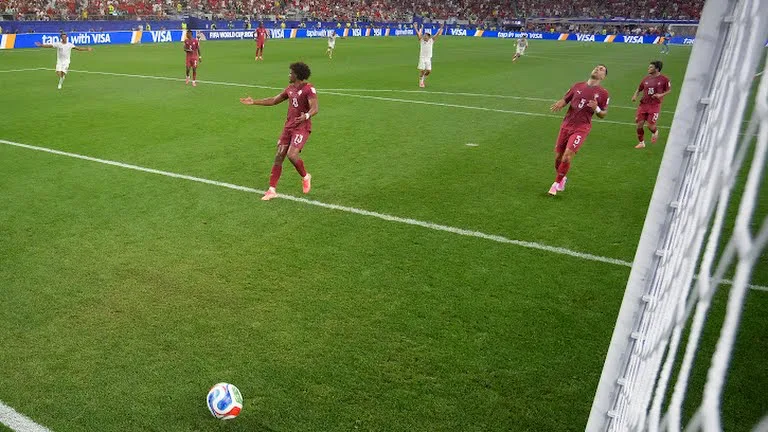
Merino’s winner carried more weight than three points:
• It made Spain the first team in World Cup history to keep six consecutive clean sheets, stretching their shutout run to 10 hours and 9 minutes.
• It was only Spain’s second 90th-minute World Cup winner ever, after Joaquín Peiró against Mexico in 1962.
• It extended Spain’s unbeaten run to 34 matches (25 wins, 9 draws), one shy of their all-time record.
• It sent Spain into the quarterfinals for the first time since they lifted the trophy in 2010.
The End of an Era for Ronaldo
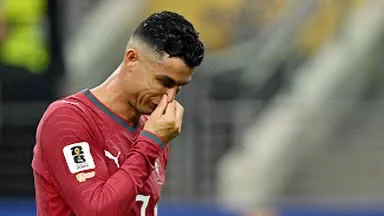
Before kickoff, Ronaldo had made his peace with the moment, confirming to reporters that this would be his final World Cup while stopping short of announcing full retirement. At 41, he led Portugal out to a standing ovation, and the cameras never strayed far from him afterward.
He finished the night with three shots and 19 touches, unable to add to his three goals from earlier in the tournament. The defeat draws the curtain on a World Cup career spanning two decades and six tournaments, dating back to his 2006 debut. Across those campaigns he started 25 matches — second only to Lionel Messi’s 27 — and scored 11 goals. The one prize that always eluded him at this level eludes him still. With the next edition co-hosted by Portugal, Spain and Morocco, a fairytale return at 45 feels improbable at best.
For Roberto Martínez, the questions will be pointed. Portugal have now failed to reach back-to-back World Cup quarterfinals for the first time in their history, undone by an over-cautious second-half approach and two inspired opposition substitutions.
What Comes Next for Spain
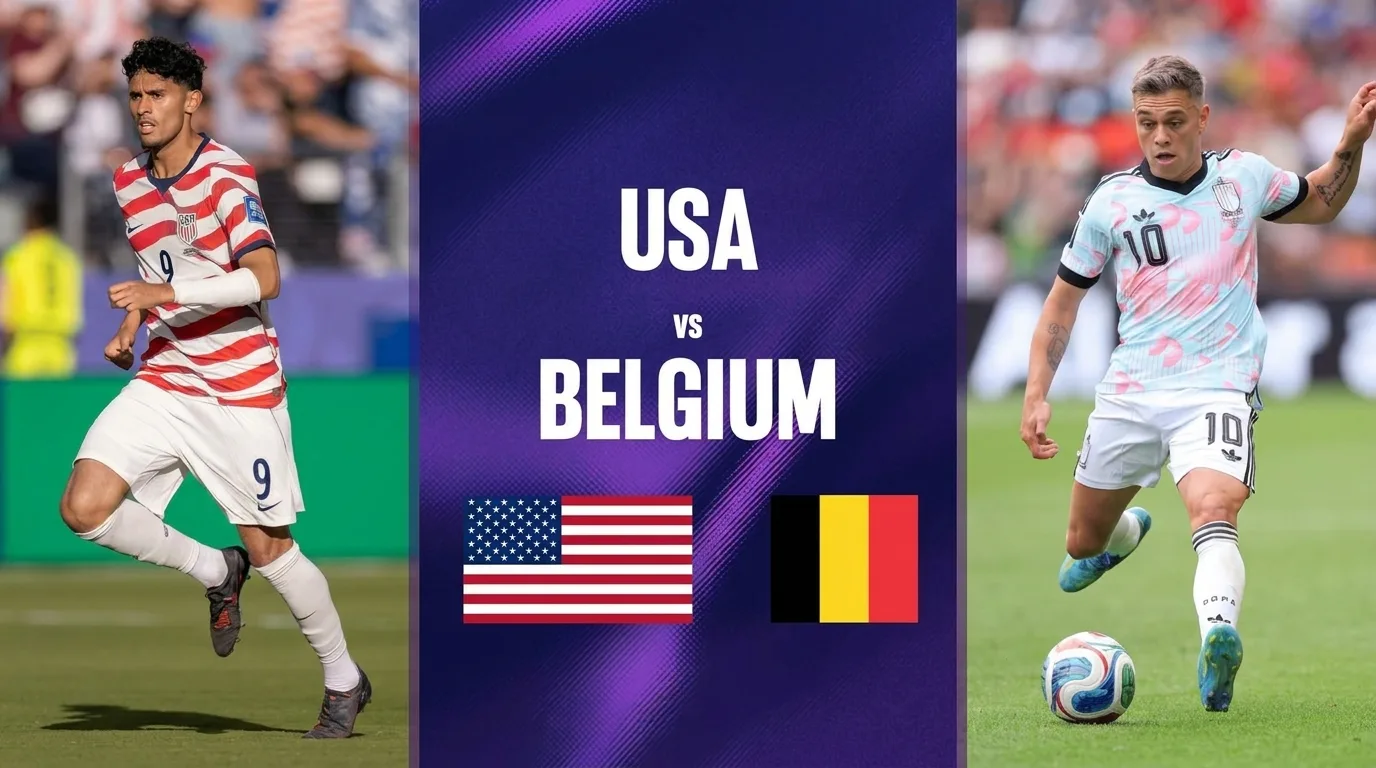
La Roja’s reward is a quarterfinal on Friday in Los Angeles against the winner of the United States and Belgium. On this evidence, Spain remain the tournament’s most complete side — unbeaten, yet to concede, and blessed with a bench deep enough to change a game in an instant.
There is one lingering concern. For all their dominance, Spain needed 91 minutes and two substitutes to break down a team playing for penalties. That gap between chances created and chances converted — 1.77 expected goals for a single actual one — could be punished by a sharper, fresher opponent in the last eight. De la Fuente will know that control alone does not always finish the job.
Final Verdict
This was not vintage tiki-taka, and it did not need to be. Spain won the way champions often do in tournament football — with patience, defensive resilience, and the nerve to keep probing until a single clean opening appeared. Portugal can hold their heads high for their discipline, but they ultimately paid for playing not to lose rather than to win. The story of the night, though, belongs to two men: Merino, the ice-cold super-sub, and Ronaldo, the icon walking into the World Cup sunset. One era closes; another, in Spanish red, looks ready to chase the trophy all the way to the final.