The Iran war is no longer just a foreign policy crisis — it’s a stress test for global markets, the dollar’s dominance, and even how billions of people will watch the next World Cup. This week in politics, Iran tensions, Treasury sanctions, and a brewing media-rights fight collided into one story: who really controls the flow of oil, money, and attention.
Iran war escalates — and the Strait of Hormuz is the choke point
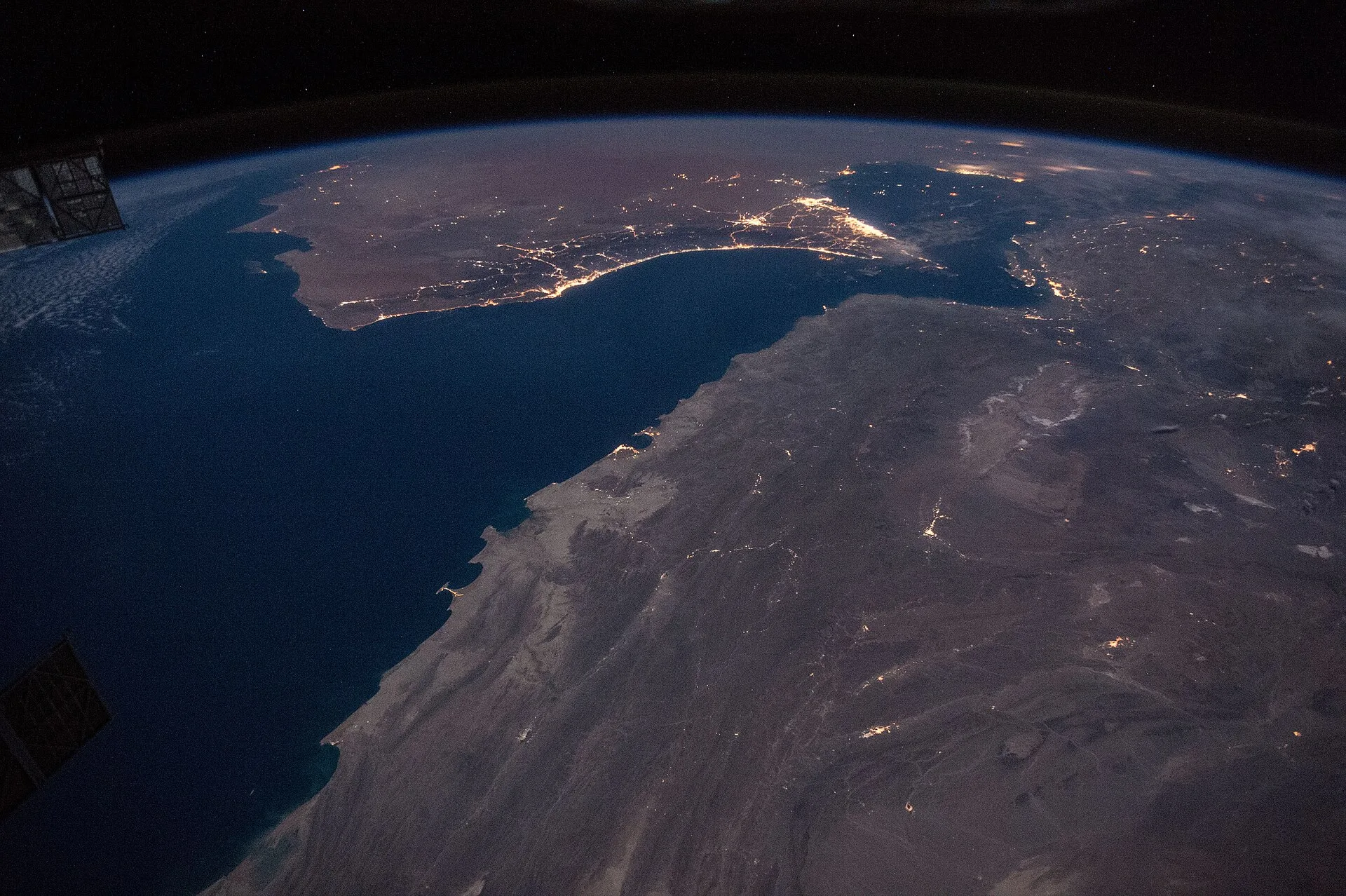
At the center of the Iran war is one narrow waterway with outsized financial power: the Strait of Hormuz. Billionaire investor Ray Dalio is warning that the “final battle” over this strategic strait is here, arguing that the outcome of the conflict effectively runs through this shipping lane.
His concern is blunt: continued Iranian leverage over the Strait of Hormuz doesn’t just threaten Gulf allies — it threatens global oil flows and, by extension, the dollar’s long-standing role as the world’s reserve currency. When a hedge fund legend starts talking about the reserve status of the dollar in the same breath as a single military theater, markets listen.
The timing of Dalio’s comments matters. They came shortly after U.S. Central Command carried out strikes on Iranian drone storage sites, a response to Tehran’s reported rejection of a cease-fire proposal. That sequence — diplomacy floated, rebuffed, then followed by targeted U.S. action — suggests this is no longer a contained regional flare-up. It’s becoming structurally baked into investors’ risk calculus.
Trump’s threat of a “massive attack” raises escalation risk
Adding fuel to the fire, President Donald Trump said he is “close” to ordering a massive attack on Iran, framing it as a potential step change from prior strikes in the nearly five-month conflict. He also claimed that Israel would join “in two minutes” if asked.
For markets and policymakers, that’s not just tough talk. It’s a signal about escalation risk — the kind that feeds straight into energy prices, insurance costs for shipping, and defense spending expectations.
At the same time, there are signs of back-channel efforts to keep a lid on the conflict. Pakistan is reportedly working, with encouragement from China, to reopen U.S.-Iran diplomatic channels. Yet the conflict is already spilling across borders: Houthi rebels are claiming attacks on Saudi oil tankers, and Iran has reportedly struck a U.S. base in Jordan.
Every one of those flashpoints ties back to the same financial story. Tankers under threat mean pricier, riskier oil shipments. Regional bases under fire mean higher geopolitical risk premia. And a White House telegraphing a larger strike keeps volatility on the table even when spot prices are calm.
Sanctions go deeper: Treasury targets Babak Zanjani’s “Dot One” network
While the military track grabs headlines, the financial war is intensifying in parallel. The U.S. Treasury Department has sanctioned nine firms and four individuals tied to Iranian financier Babak Zanjani’s so-called “Dot One” network, which officials allege helped Iran evade existing sanctions.
Two crypto exchanges registered in the UK were singled out for allegedly processing more than $94 million linked to the network. That allegation underscores a central reality of modern sanctions policy: the fight is no longer just about banks and tankers. It’s also about digital rails that move value at scale and at speed.
For compliance officers, this is a flashing red alert. Crypto venues that once pitched themselves as neutral highways for digital assets now sit squarely in the crosshairs of sanctions enforcement. And for Iran, it shows that any workaround — even in the still-maturing world of digital finance — will draw scrutiny if it touches Western jurisdiction.
Sanctions on a network like Zanjani’s are designed to do three things at once: choke off revenue that can fund military operations, raise the transactional friction for anyone doing business with Tehran, and send a deterrent signal to intermediaries around the world. That signal travels far beyond Iran. Commodity traders, shipping firms, banks, and crypto platforms are all being reminded that the cost of looking the other way keeps rising.
Hunter Biden’s warning: a country divided “on purpose”
Domestic politics are just as fractured as foreign policy. Hunter Biden, stepping into the spotlight in an unusually political way, argued this week that the United States isn’t naturally as divided as the headlines suggest. Instead, he claims the country is being split deliberately by wealthy elites who profit from conflict and polarization.
His prescription is ambitious: a “New New Deal” focused on healthcare, genuinely affordable housing, and ending what he casts as an addiction to endless wars. He also floated the idea of an AI-driven dividend for all Americans — a concept that would effectively treat advances in artificial intelligence as a shared national asset that throws off cash to the public.
Whatever you think of the details, the through line is clear. As the Iran war drains attention and resources, there’s a growing push to reframe what economic security at home should look like. That debate over who benefits from war, and who should benefit from AI, will sit in the background of every budget fight, defense vote, and election stump speech.
Streaming giants hit a World Cup wall
While missiles fly and sanctions stack up, another battle is quietly unfolding in a very different arena: the rights to show the World Cup. Major streaming platforms — including some of the biggest names in global entertainment — are facing a roadblock as they jockey for media rights to the tournament.
The core issue is leverage. Traditional broadcasters, telecoms, and national federations understand that the World Cup is still the rare event that can unite entire countries in front of a screen. That makes live rights both incredibly valuable and deeply political. For streaming giants trying to cement themselves as the default way the world watches sports, running into a wall on World Cup rights is more than a short-term setback — it’s a strategic problem.
There’s also a geopolitical echo here. Governments, regulators, and domestic media champions are increasingly wary of letting a handful of global tech platforms control access to marquee national events. That concern blends cultural sovereignty with hard economics: whoever owns the rights owns the ad inventory, the data, and the narrative.
For investors, the tension is straightforward. Sports streaming has been pitched as the next big leg of growth for platforms already saturated in movies and series. If soccer’s biggest stage remains partially or fully locked behind older distribution models, it complicates the bullish case that every major sport will seamlessly migrate to apps.
Oil, the dollar, and attention are on the line
Viewed together, these stories describe a three-front contest for power and profit:
- Control of physical flows: The Strait of Hormuz and the tankers that move through it remain a critical artery for global oil.
- Control of financial flows: Sanctions on Babak Zanjani’s network and the scrutiny on crypto exchanges show how contested the plumbing of global finance has become.
- Control of attention flows: World Cup streaming rights highlight that media power is increasingly about live, appointment viewing, not just libraries of content.
The Iran war links the first two directly. If conflict in the Gulf worsens or key infrastructure is hit, oil prices spike, inflation pressures return, and central banks are forced to react. If sanctions-busting networks grow more sophisticated, the effectiveness of economic pressure as a foreign policy tool erodes — weakening one of Washington’s main levers short of war.
The third front is subtler but just as important. Media rights may sound like a niche concern compared to missiles and drones, but whoever wins the World Cup battle will shape how the next generation experiences live events — and where the ad dollars and data trails go.
What This Means
The Iran war escalation, Trump’s threat of a massive strike, and fresh Treasury sanctions are all raising the geopolitical temperature at the same moment streaming giants run into a World Cup roadblock. On the surface, these seem like separate fights. Underneath, they’re all about who sets the terms of global trade, finance, and culture.
For policymakers, the message is that military strategy, sanctions design, and media regulation can’t be treated as separate lanes. Energy security, financial stability, and information power are now tightly intertwined.
For investors and companies — from oil majors to crypto exchanges to streaming platforms — the takeaway is more immediate: geopolitics isn’t a background variable anymore. It is the story, and the cost of ignoring it is rising just as fast as the stakes.
Photo: U.S. Navy photo by Photographer’s Mate 1st Class Aaron Ansarov / Public domain via Wikimedia Commons | Photo: NASA/Tim Kopra / Public domain via Wikimedia Commons