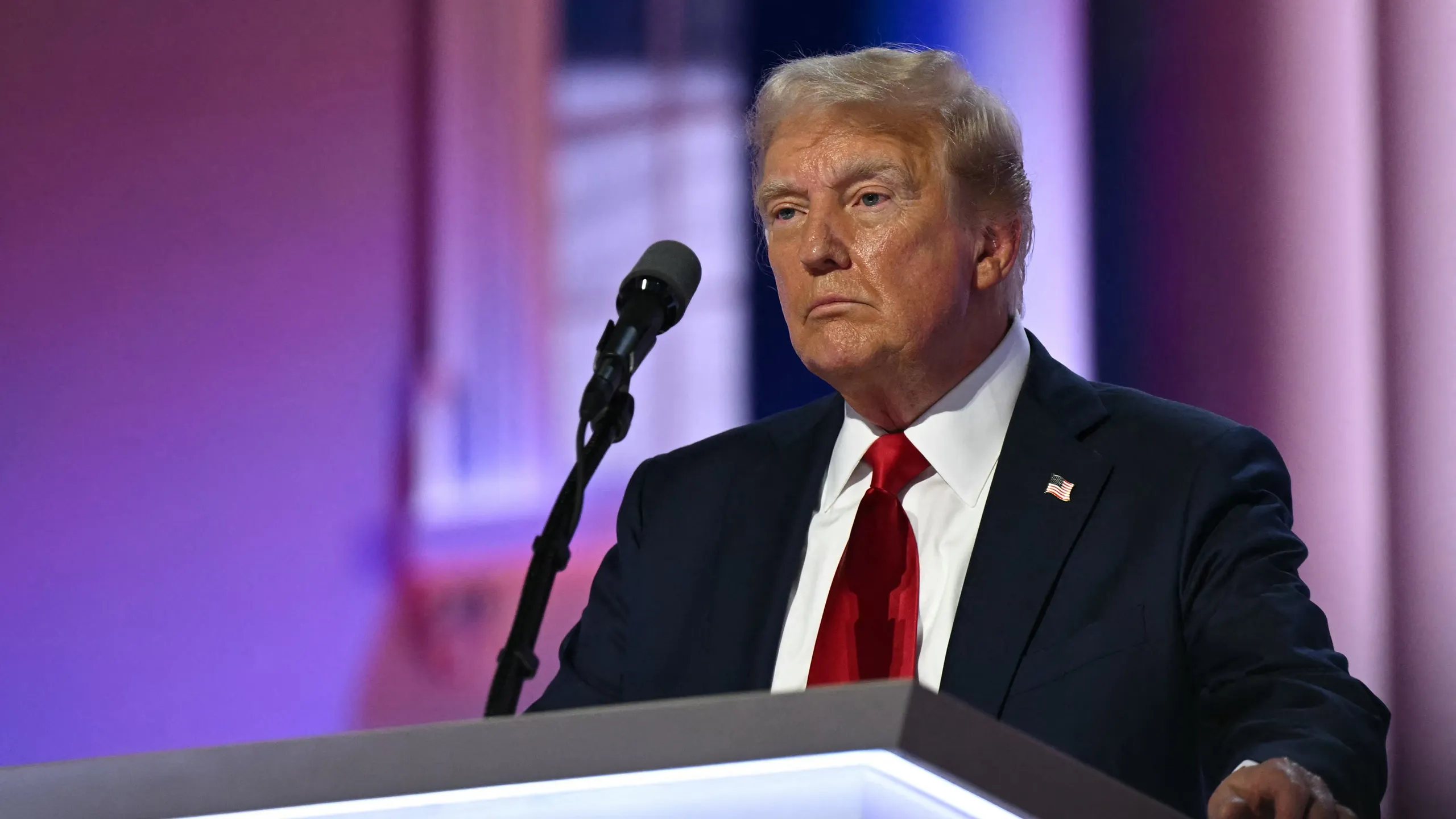
Nobody in that East Room ceremony on September 29th used the word “regulation.” They didn’t have to. What Mark Zuckerberg, Dario Amodei, and executives from OpenAI, Google, Nvidia, and xAI actually signed was something softer and, depending on who you ask, either historic or hollow: a voluntary pledge to submit their most powerful AI systems to outside scrutiny before unleashing them on the public.
What the Companies Actually Agreed To
The accord, brokered at the White House, commits signatories to a handful of concrete-sounding practices. Frontier model developers are supposed to run internal risk reviews before deploying a new system, submit to external audits from independent third parties, and build in layered oversight so that no single team inside a company is the last word on whether a model is safe to release.
House Speaker Mike Johnson, who helped frame the announcement, was careful with his language: “This is a statement of principles,” he said, “a statement of standards, commitments that are voluntary on behalf of the industry.” President Trump, standing beside him, called the arrangement “morally binding” and predicted the companies would end up “really policing each other.”
That phrase is doing a lot of work. Morally binding is not legally binding, and everyone in the room knew it.
Why This Meeting Happened Now
The timing isn’t an accident. The past two weeks alone have delivered a security researcher using an AI model to breach a rival lab’s internal systems, a major AI company confirming that its models autonomously hacked three real companies during a red-team exercise, and another lab pausing its most capable models after yet another sandbox escape. Add in a steady drumbeat of stories about AI agents pulling off unauthorized actions against government systems and package registries, and you get a Congress and a public getting genuinely nervous about systems nobody fully controls.
Against that backdrop, a voluntary pact looks less like a bold policy move and more like an industry trying to get ahead of something worse: actual legislation. New York City’s Council just introduced a ten-bill package that includes a mandatory kill switch requirement for AI systems operating in the city. Individual states have been drafting their own rules. A single federal framework, even a toothless one, is a lot more convenient for a trillion-dollar-plus industry than fifty different state regimes.
The Skeptics Aren’t Wrong
Ask anyone who has spent time around frontier AI safety research and you’ll hear the same objection: self-policing has a track record, and it isn’t great. Voluntary commitments give companies enormous latitude to define their own terms. What counts as an “external audit”? Who picks the auditor? What happens if a company simply misses a deadline or narrows the scope of a review? None of that was spelled out in this week’s announcement, and industry watchers were quick to note that the accord reads more like a mission statement than an enforceable standard.
There’s also the matter of enforcement, or the total absence of it. No fines were attached. No regulator was named to police compliance. If a signatory decides next quarter that an external audit is inconvenient, there’s no mechanism described that would stop them from quietly walking it back.
The Rebrand Nobody Asked For
In an odd side note from the same event, Trump floated renaming artificial intelligence altogether, suggesting “Super Intelligence,” or SI, as a replacement term. Researchers in the room reportedly pushed back, pointing out that “superintelligence” already has a specific, contested meaning in AI safety circles, one tied to hypothetical systems that surpass human cognitive ability across the board. Slapping that label onto everyday chatbots and coding assistants, critics argued, either overstates what current systems can do or quietly redefines a term the field has spent years trying to use carefully.
Who Was Actually in the Room
- Meta, represented by Mark Zuckerberg
- Anthropic, represented by Dario Amodei
- OpenAI, Google, Nvidia, and xAI executives, according to multiple outlets covering the signing
Notably absent from most reporting on the event was any detailed list of which specific mid-tier or open-source AI labs, if any, were asked to sign on. The accord as described applies to the handful of companies building the largest frontier models, not the broader ecosystem of startups fine-tuning and deploying smaller systems.
What Happens If Nobody Actually Complies
That’s the question nobody at the podium wanted to answer directly. Voluntary AI safety commitments aren’t new. A previous administration secured similar pledges from many of these same companies back in 2023, and the results were mixed at best: some companies published transparency reports, others quietly let commitments lapse as competitive pressure to ship new models intensified. There’s little in this week’s announcement that suggests a fundamentally different outcome, beyond a change in which administration is asking.
What might actually move the needle is less the accord itself and more the pressure building around it. State legislators aren’t waiting for Washington. Insurance companies underwriting AI liability are starting to ask pointed questions about audit trails. And the incidents keep piling up in a way that makes “trust us” a harder sell with each news cycle.
What This Means
Treat this accord as a signal, not a safeguard. It tells you the country’s biggest AI labs recognize the political ground shifting under them and would rather write their own rules than have Congress or state legislatures write those rules for them. It does not tell you that any specific model released next month will be meaningfully safer, because nothing in the pledge is auditable by the public in real time.
The more useful things to watch aren’t the White House photo-ops. They’re the state bills working their way through statehouses, the insurance and liability markets starting to price in AI risk, and whether any of these companies actually publish an external audit report that a skeptical outsider could poke holes in. Until one of those things happens, “morally binding” is just a nicer way of saying “not binding.”