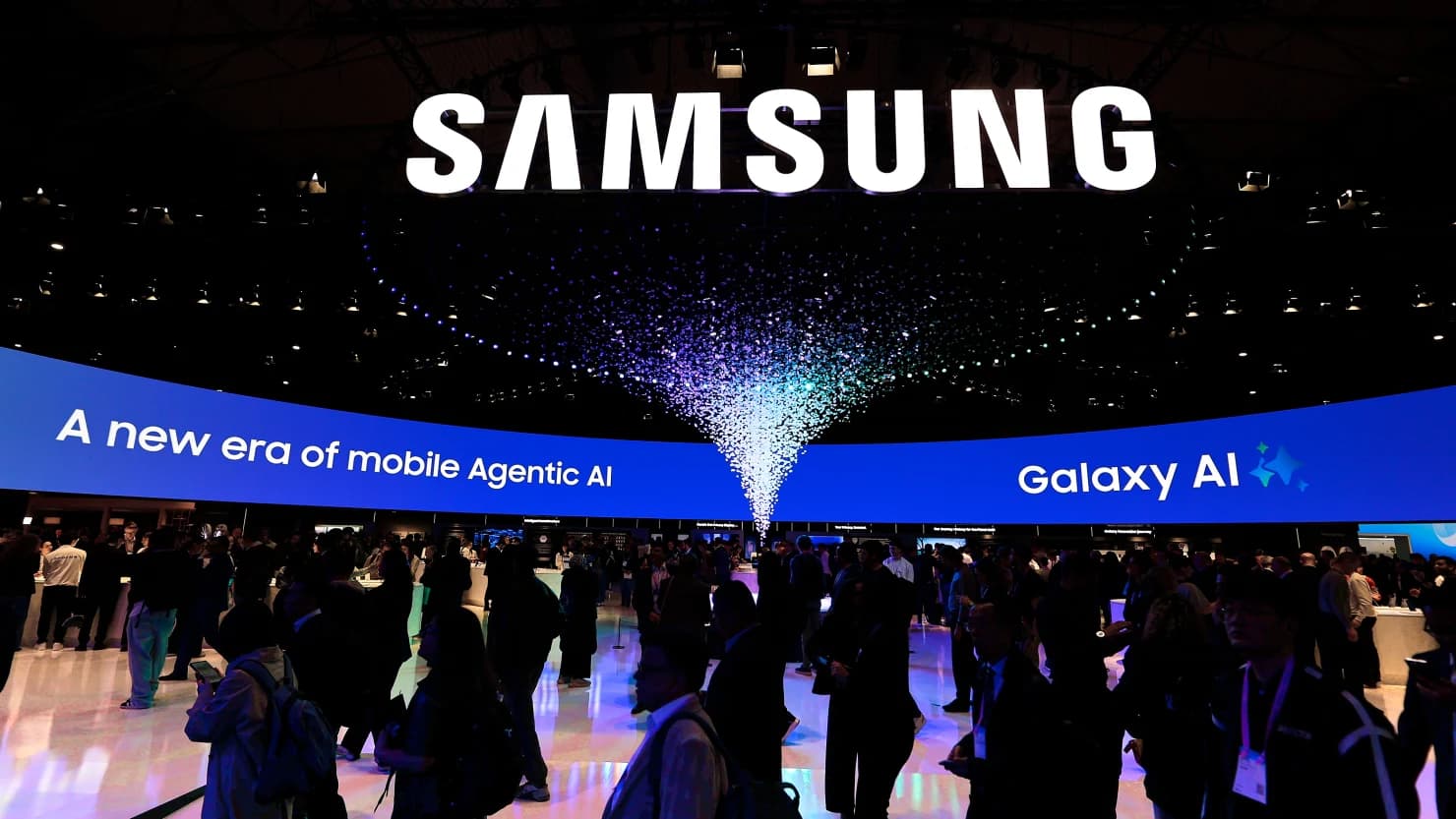
A ferocious sell-off ripped through South Korea’s technology heavyweights on Wednesday, sending shares of Samsung Electronics and SK Hynix tumbling and dragging the benchmark KOSPI index to its worst single-day loss in over two years. The sudden freefall, triggered by a brutal overnight rout on the NASDAQ, saw investors rushing to offload the very chip stocks that had fueled a historic artificial-intelligence rally just weeks earlier.
Samsung Electronics, the world’s largest memory chipmaker, plunged 5.8 percent to close at ₩71,200, erasing nearly ₩22 trillion in market value in a single session. Rival SK Hynix, a key supplier of high-bandwidth memory to Nvidia, suffered an even steeper 7.2 percent drop, as panic spread that demand for the advanced chips powering AI servers may be softening far faster than previously forecast. The broader KOSPI index slid 3.4 percent, with tech and semiconductor names accounting for more than two-thirds of the decline.
The immediate catalyst came from Wall Street, where the tech-heavy NASDAQ Composite had tumbled over 2.8 percent on Tuesday after a leading U.S. chip designer slashed its quarterly revenue guidance, warning of “an inventory correction in AI accelerator components.” That cautious signal rattled an ecosystem heavily reliant on South Korean memory makers, which supply up to 90 percent of the global HBM market. Overnight trading in Seoul turned into a cascade of stop-loss orders and margin calls as foreign investors liquidated positions en masse, selling a net ₩1.8 trillion in local equities — the largest single-day exodus since March 2020.
Analysts pointed to a confluence of mounting pressures that had been building beneath the surface. HBM chip prices, which had tripled over the past 18 months, are showing signs of cooling as U.S. cloud providers delay some data center expansions. Geopolitical tensions also resurfaced after reports that Washington was considering broader export controls on memory chips bound for China. This market still accounts for roughly 30 percent of Korean semiconductor exports. And with Samsung and SK Hynix trading at nosebleed valuations — SK Hynix had surged over 120 percent in the past year alone — even a whiff of slowing growth was enough to trigger a violent re-rating.
“This isn’t a fundamental collapse, but it is a painful reset of extremely optimistic expectations,” said Park Hyun-woo, semiconductor analyst at KB Securities. “The AI story remains intact, but the market is waking up to the reality that chip cycles don’t disappear — they just get amplified by hype. We’re seeing a classic bull-market correction, violently compressed into 48 hours.”
For individual investors, the damage was deeply felt. South Korea’s retail trading army, which had piled into leveraged bets on Samsung and SK Hynix during the AI frenzy, faced massive margin calls as shares gapped below key technical support levels. The sell-off also rippled into smaller chip equipment makers and materials suppliers, with Wonik IPS, a key HBM tool vendor, plunging 11 percent.
Despite the carnage, some market veterans urged calm. Both Samsung and SK Hynix remain profitable, cash-rich, and technologically dominant. Samsung is scheduled to begin mass production of its next-generation HBM4 chips later this year, and SK Hynix has secured long-term supply agreements with all major AI accelerator firms. The fundamental demand for memory in AI training and inference workloads hasn’t disappeared — what’s changed is the near-term price momentum and speculative excess.
Wednesday’s trading session served as a stark reminder that even the most transformational tech narratives are not immune to gravity. As global markets digest a potential shift in monetary policy and a reassessment of AI capital spending, the volatility in Seoul’s semiconductor titans is likely to remain elevated. For investors with a longer horizon, the pullback may ultimately be remembered as a healthy, if brutal, recalibration. For now, however, the message from the KOSPI floor is unmistakable: the easy money in memory chips has been made, and the next leg of the cycle will reward patience over panic.